

This December, Blue Origin is preparing to launch its NS-37 mission with a groundbreaking astronaut aboard: Michaela Benthaus, the pioneering wheelchair user set to become the first person with a mobility impairment to journey beyond Earth’s atmosphere. This upcoming flight signifies a significant advance for inclusivity within the rapidly evolving private space tourism industry.
Advancing Spaceflight Accessibility: A Historic Milestone
The Blue Origin NS-37 mission promises more than a typical suborbital trip—it embodies progress toward opening space travel to people of all physical abilities. Michaela Benthaus’ participation represents a transformative moment in the effort to make space exploration more welcoming and inclusive. By welcoming passengers with diverse backgrounds and capabilities, companies like Blue Origin are redefining who can take part in extraterrestrial adventures.
Michaela’s story is marked by resilience. Following an accident that resulted in paralysis, she overcame obstacles with unwavering determination and became a strong advocate for accessible space travel. Her dream of experiencing space despite physical challenges exemplifies the expanding reach of human exploration. As her historic flight approaches, Michaela prepares to demonstrate that anyone, regardless of disability, has a place in the cosmos.

What Awaits on the NS-37 Voyage
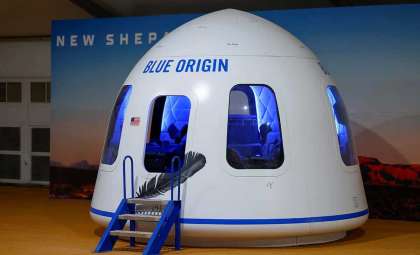
The NS-37 mission is part of Blue Origin’s ongoing push into commercial space travel, launching from West Texas. Six crew members, including Michaela, will experience a brief but thrilling ascent to suborbital space, enjoying minutes of weightlessness and breathtaking views of Earth against the black backdrop of outer space.
According to Space.com, Michaela Benthaus will join five others: Joey Hyde, investor; Hans Koenigsmann, former SpaceX engineer; Neal Milch, entrepreneur; Adonis Pouroulis, investor; and Jason Stansell, self-described "space enthusiast." While each brings a unique perspective, Michaela’s role highlights the mission’s commitment to diversity and inclusion, proving space can be accessible to all.
In an arena traditionally limited to highly trained, physically able astronauts, Blue Origin takes a bold step toward breaking stereotypes. By assembling a crew rich in professional and personal diversity, the company showcases its dedication to making space travel an opportunity open to everyone.
Meaningful Symbols Embellishing the NS-37 Mission
Blue Origin has infused the NS-37 mission with personal touches, allowing each crew member to contribute a symbol to the flight’s emblem. These meaningful elements deepen the mission’s emotional resonance beyond the scientific and commercial aspects.
For example, the patch features a hippo symbolizing Michaela Benthaus’ cherished animal, tied to her recovery journey following her accident. This plush hippo will accompany her aboard the spacecraft, offering comfort. Joey Hyde’s symbol is a spiral galaxy, reflecting his work in astrophysics, while Jason Stansell’s contribution—a dog bone shape paired with the number "201" on the capsule window—honors his late brother. These heartfelt tributes merge personal stories with the collective excitement of exploration.
Private Spaceflight's Role in Democratizing Space
Founded by Amazon’s Jeff Bezos, Blue Origin is a leader in the privatization of space travel. While primarily focused on suborbital tourism, missions like NS-37 help broaden who participates in spaceflight. By including passengers from varied walks of life, the company is helping to dismantle the exclusivity historically associated with space exploration.
Michaela Benthaus’ opportunity to travel while using a wheelchair is a landmark for overcoming long-standing barriers that have excluded many from spaceflight. Blue Origin’s innovative approach emphasizes not only the thrill of orbit but also the fundamental belief that space belongs to everyone, regardless of physical challenges.
- Categories:
- News





0 comments
Sign in to Comment