
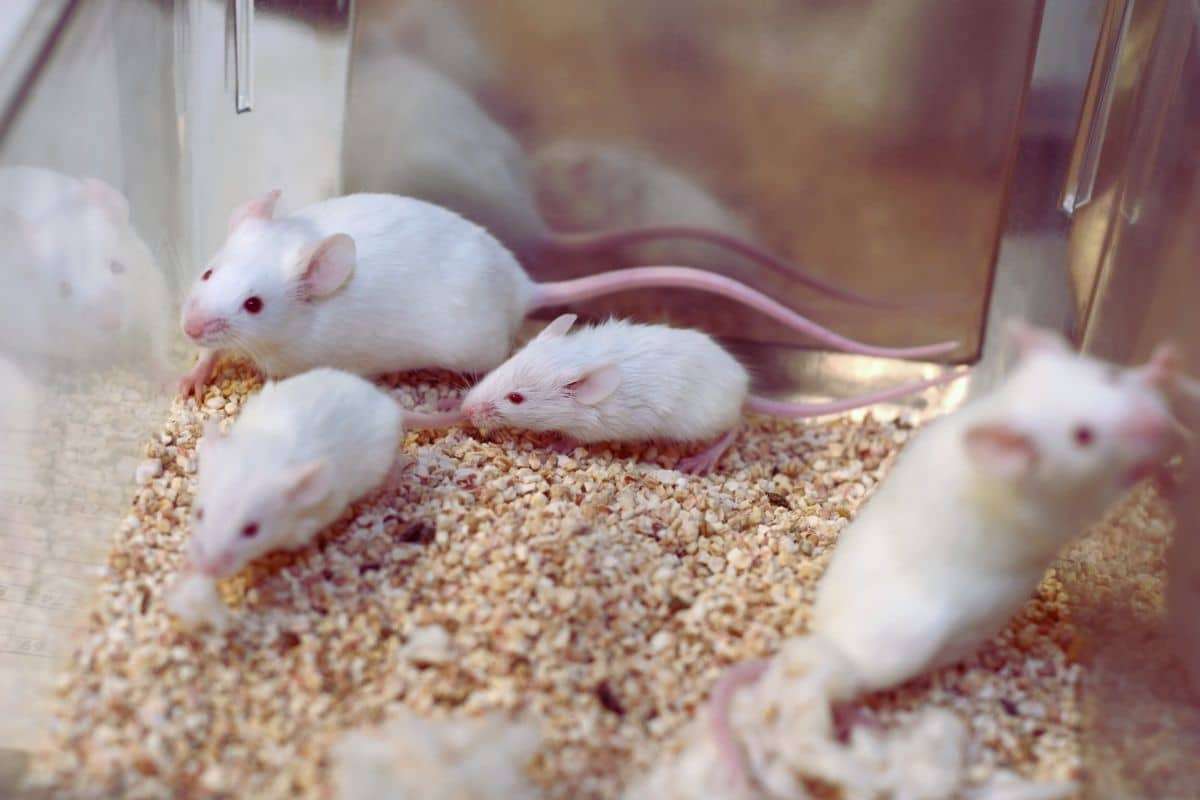
While drifting in microgravity seems effortless, the impact on bones is quite severe. A recent NASA investigation involving mice indicates that bones crucial for supporting weight on Earth suffer significant breakdown during spaceflight — with potentially lasting consequences.
Significant Losses Noted in Major Weight-Bearing Bones
Following 37 days aboard the International Space Station (ISS), mice experienced profound bone deterioration in their hindlimb femurs. Prominent cavities appeared at the bone ends near the hip and knee joints, areas vital for movement and load support.
Interestingly, the lumbar spine remained mostly intact. Since mice bear less weight on their spine compared to upright humans, this suggests that bones typically subjected to Earth’s gravitational forces degrade faster in zero gravity.

“Our research highlights the femur due to its primary role in weight support for the mouse,” explained scientists from NASA and the Blue Marble Space Institute of Science.
The key takeaway is straightforward: bones need mechanical stress to stay healthy. Without normal loading, like in microgravity, bones weaken quickly, much like muscles that shrink from inactivity.
Controlled Experiments Offer More Clarity
To better understand these changes, NASA conducted Earth-based controls where mice were confined to restricted movement cages and subjected to simulated rocket launches.
“If space radiation in low Earth orbit or other systemic conditions caused the bone loss during spaceflight, we would see widespread skeletal effects,” the team noted.
The evidence points to structural breakdown within the bones themselves. Even dense regions like the femoral neck lost large amounts of their internal, spongy marrow tissue after exposure to microgravity.
Bone Degradation Occurs Rapidly and May Be Hard to Repair
Bone density loss during space missions is both rapid and extensive. Astronauts can shed over 1% of bone mass monthly, a rate roughly ten times faster than typical osteoporosis. This damage might be permanent or only partially recoverable.
The mice studied were juveniles, still growing. Their femurs showed signs of early bone hardening, where cartilage prematurely turns into bone. This disruption suggests microgravity may hinder normal bone development as well as cause weakening.
Science Alert reports that these findings come from “NASA’s longest-duration spaceflight rodent study yet.”
Exercise Trumps Supplements in Protecting Bone Health
Since neither space radiation nor nutrition seem to be the main culprits, conventional remedies like vitamin D or calcium supplements might be insufficient. Instead, creating mechanical stress through physical exercise appears to be the best preventive measure.
“Using treadmills with harnesses or devices simulating weight lifting in microgravity could offer effective protection,” Science Alert highlighted.
Although astronauts on the ISS already use such equipment daily, these approaches may require expansion to safeguard bone health on longer missions spanning months or years.
- Categories:
- Science











0 comments
Sign in to Comment