
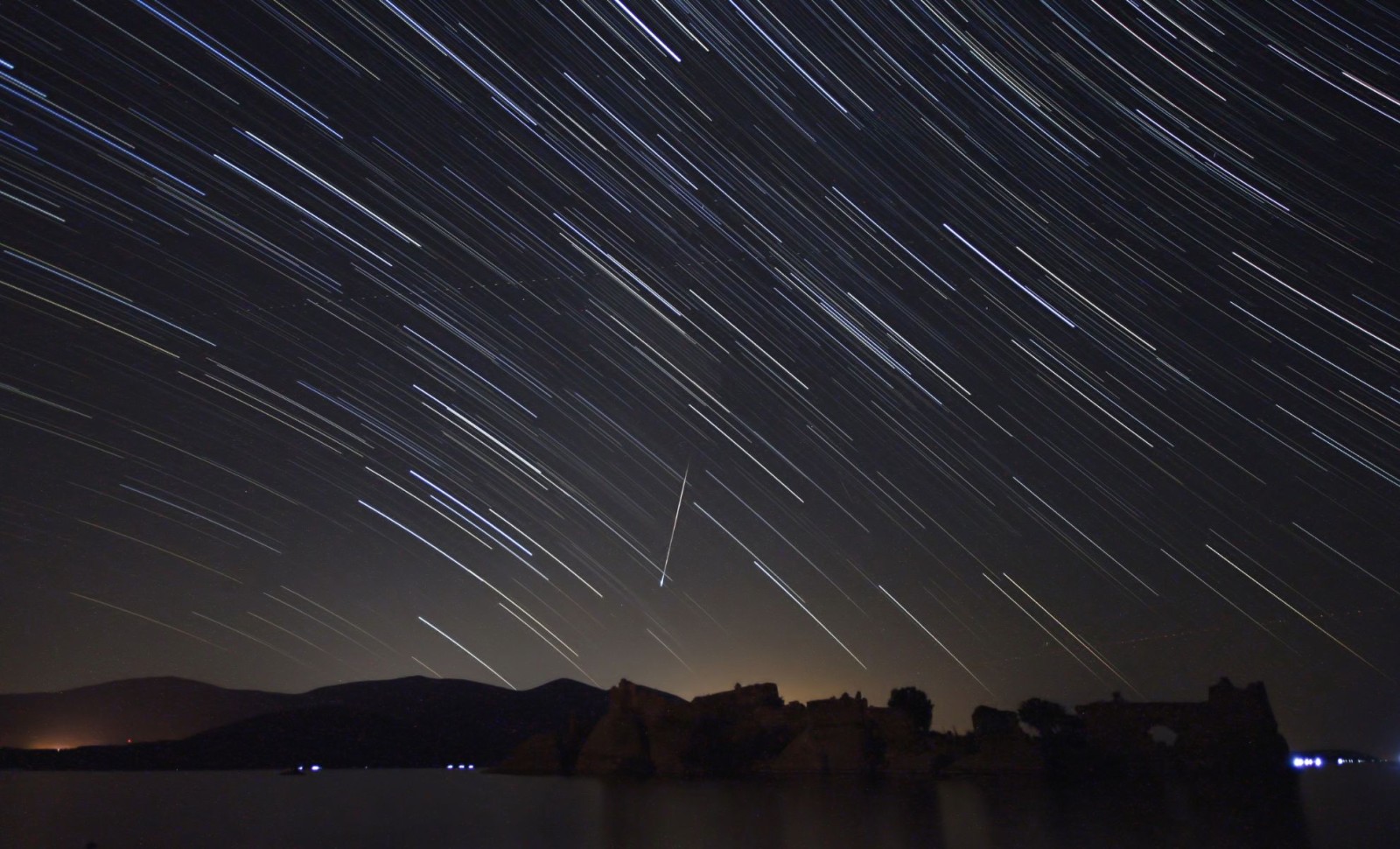
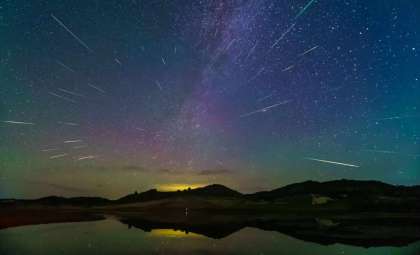
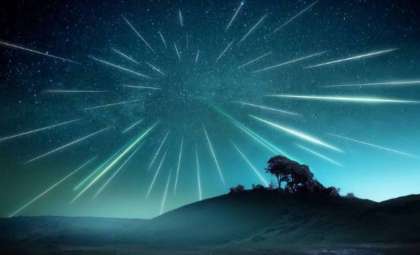
The Geminids meteor shower returns this December, presenting an exceptional chance for stargazers to see bright, swift meteors streaking across the night sky. Reaching its peak on December 13-14, this yearly event offers a dazzling spectacle with little disruption from lunar brightness. Whether you’re a veteran observer or experiencing it for the first time, the Geminids promise a memorable astronomical display.
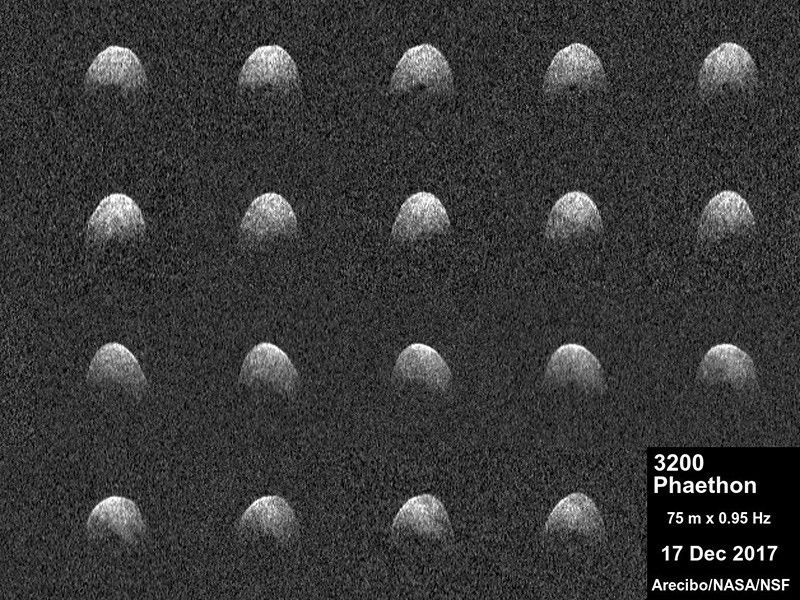
Unlike many meteor showers that stem from comets, the Geminids are associated with asteroid 3200 Phaethon, which has a peculiar orbit reminiscent of a comet’s path. This year’s shower benefits from a dimming crescent moon, ensuring excellent visibility for meteor watchers.
Timing and Viewing Tips for the Geminids
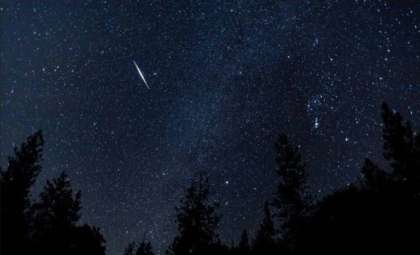
The countdown to the Geminids begins on December 4, with activity lasting until December 20, and culminating on the night of December 13-14. NASA indicates that prime viewing opportunities are from the Northern Hemisphere, where the Gemini constellation dominates the sky. Meteors seem to radiate from Gemini, but you’ll see fiery streaks all around the heavens.

The meteor display is best observed post-midnight, as the radiant climbs above the eastern horizon. To fully enjoy the Geminids, it’s essential to select a dark, rural area far from city lights. No telescopes or binoculars are required.
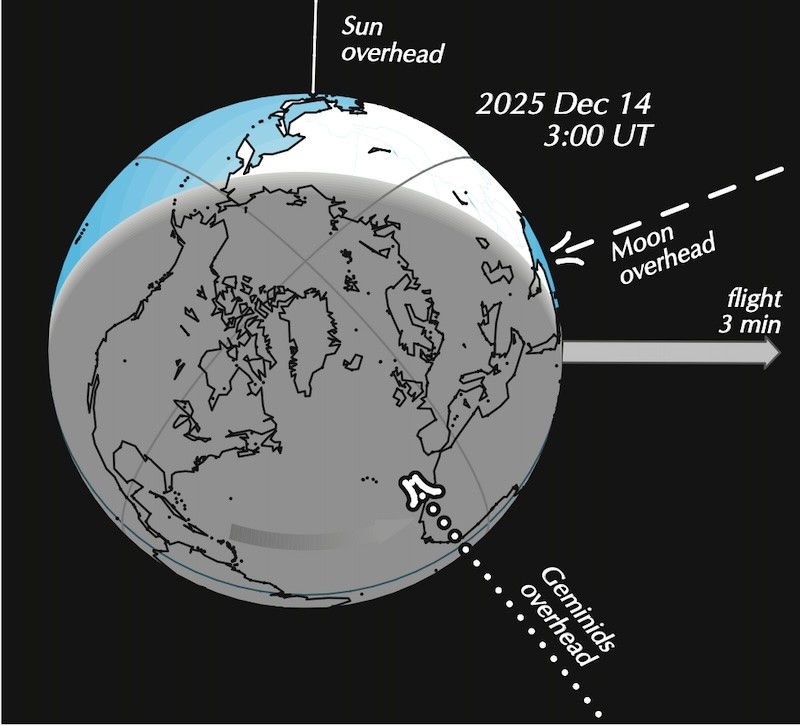
What Distinguishes the Geminid Meteor Shower?
The Geminids stand out because their source is unusual. While most meteor showers occur due to debris left by comets, these meteors emerge from asteroid 3200 Phaethon, an enigmatic object that behaves like a comet. Its orbit near the Sun causes it to shed dust and particles, which Earth then collides with, resulting in the shower.
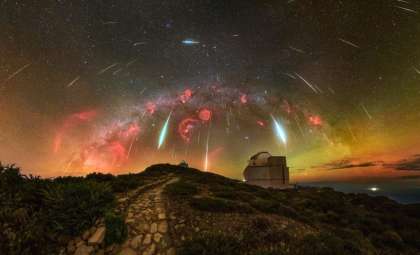
This asteroid origin explains why the Geminids are so remarkable. Rather than dim and brief streaks typical of comet dust, Geminid meteors often blaze bright and race swiftly, sometimes leaving vivid, prolonged trails. NASA notes that the dust trail is thickening annually, meaning the meteor count is increasing year by year.
Tips for Observing and Photographing the Geminid Shower
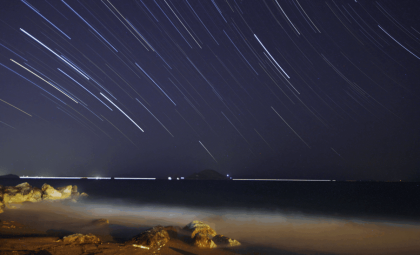
For the best Geminid experience, experts recommend seeking locations shielded from city light pollution. NASA advises allowing your eyes about 30 minutes to fully adapt to the dark, improving your ability to notice faint meteors. Photography enthusiasts will find that wide-angle lenses paired with longer exposures capture the meteor streaks most effectively.
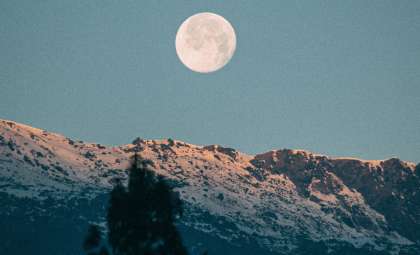
To keep your night vision sharp, avoid bright lights in favor of red illumination. This year’s waning crescent moon adds to the optimal conditions for meteoric photography by minimizing sky brightness. Check out more about the lunar phase to plan your session.
The Geminid meteor shower is a highlight for observers around the globe. With bright meteors, little lunar interference, and consistent patterns, the Geminids remain among the most reliable and breathtaking astronomical events. Whether you watch from your garden or venture into the wilderness, expect a dazzling night show.
- Categories:
- Astronomy




0 comments
Sign in to Comment