
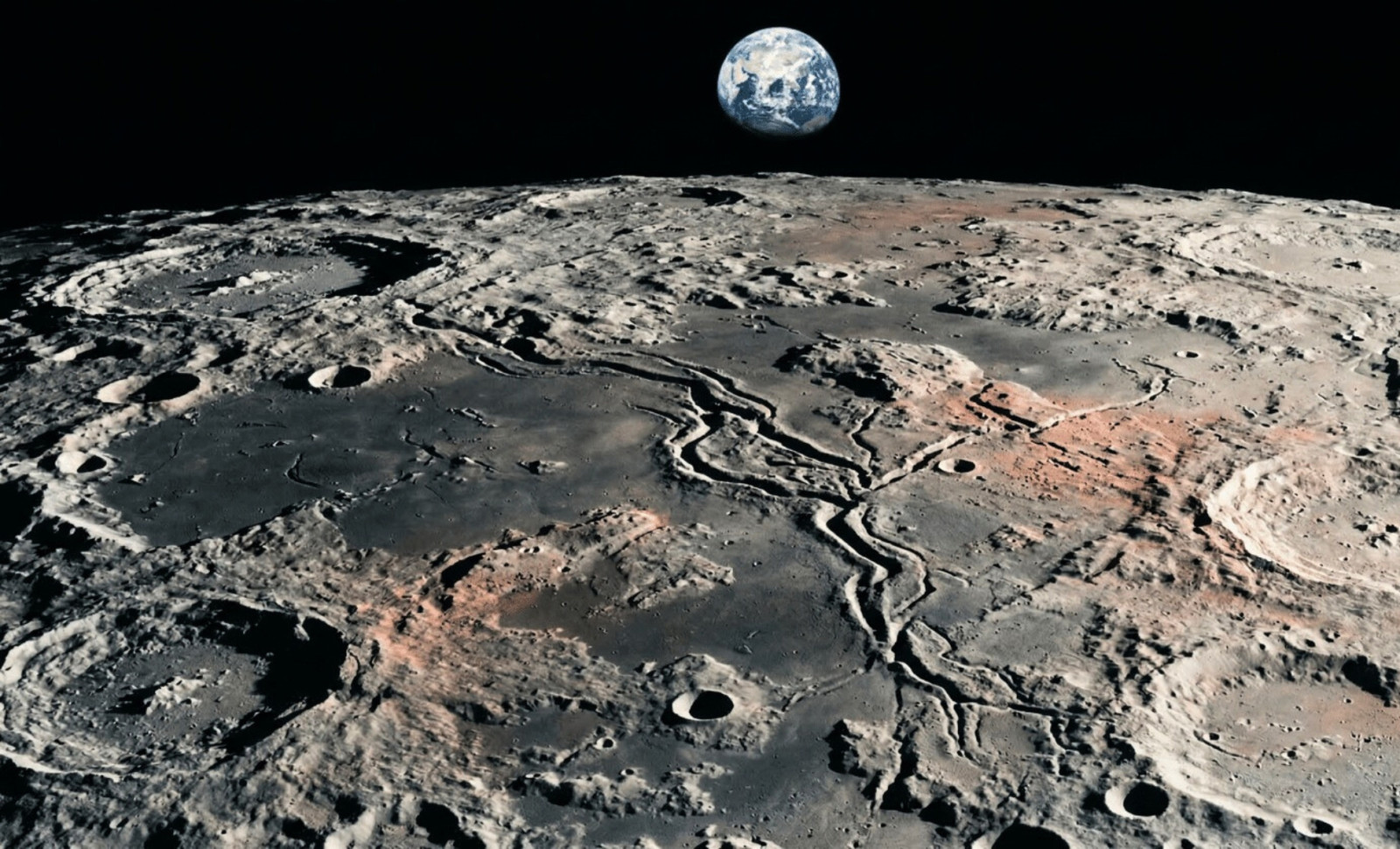
On March 9, 2026, reports highlighted a relatively obscure lunar area gaining strategic interest in China’s moon exploration plans. This site lies close to the Moon’s equator, featuring a unique convergence of ancient basalt plains, winding surface channels, and rugged highland terrain. At first glance, it might resemble just another cratered region, but its geological complexity makes it a prime candidate for lunar exploration.
The timing of this revelation aligns perfectly with China’s advancing ambitions for a crewed lunar mission. As noted in Nature Asia, the research was more than a geological assessment—it was a strategic evaluation of terrain fit for hosting the nation’s inaugural astronaut lunar landing.
The intent to land humans on the Moon by 2030 was already becoming clearer by April 2024. At that time, Reuters reported on China’s robotic Chang’e-6 mission as part of a trio of critical lunar projects paving the path to crewed landings. This coverage illustrated how China is methodically evolving its space program from exploration towards concrete execution.

From Longlist to Leading Site
The spotlight now shines on the Rimae Bode area, located near Sinus Aestuum on the moon’s Earth-facing side. This locale boasts a combination of diverse geological features within a relatively small zone. Such diversity makes it scientifically intriguing and mission-friendly, as multiple research objectives can be addressed during a single landing.
China’s site-selection process was extensive, initially considering 106 potential landing zones, later narrowed down to 14 finalists for their first crewed expedition. Candidates were carefully evaluated based on critical engineering factors including Earth communication line-of-sight, availability of solar energy, and terrain suitability for safe landing and lunar surface operations.
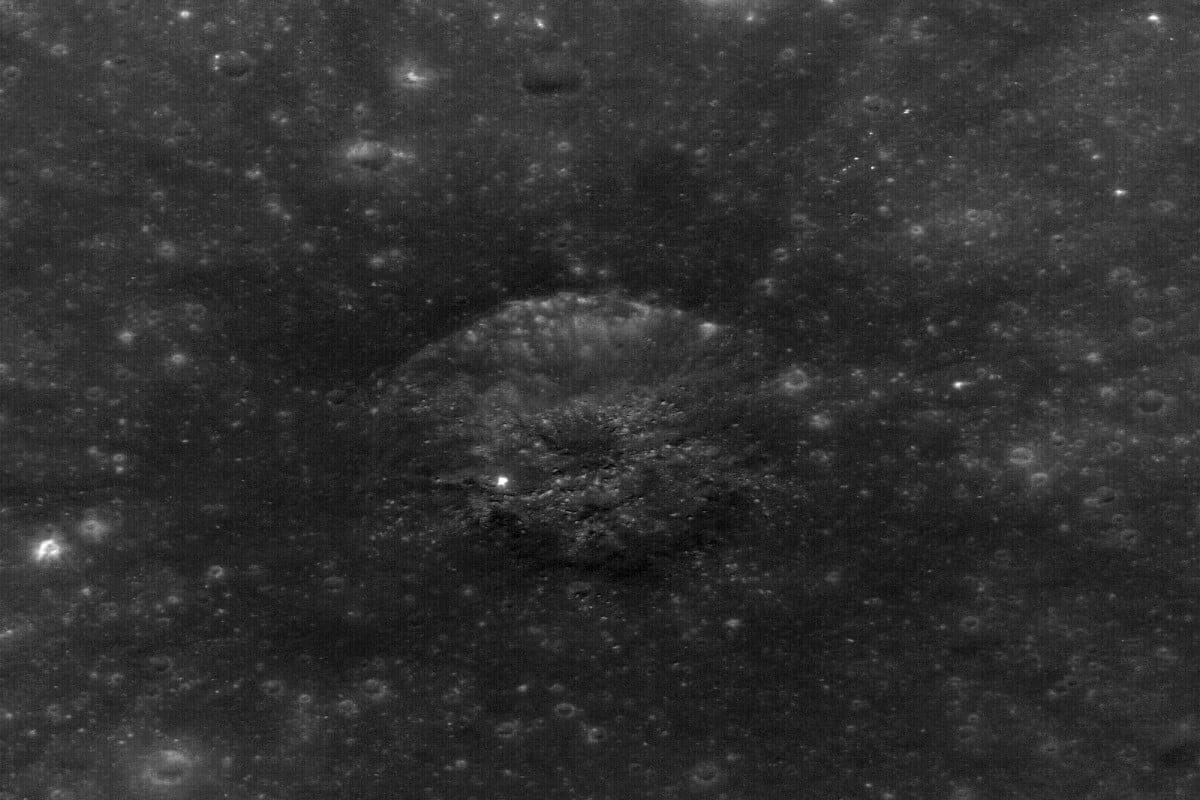
Rimae Bode emerged as a standout due to the presence of five distinct terrain types clustered closely together. This includes a dark pyroclastic layer, adjacent mare basalt plains, two separate rille formations, and nearby lunar highlands. For mission designers, this means one touchdown could provide astronauts access to multiple geological records simultaneously.
Geological Significance of the Site
The site offers a rich record of volcanic evolution over billions of years. By analyzing surface channels and counting impact crater density, scientists reconstructed multiple eruptive phases, dating back roughly 3.2 to 3.7 billion years. This positions the area as an invaluable time capsule documenting the Moon’s geological progression.
The scientific allure stems from the accessibility of various rock types within a single operational zone. Rather than just a safe landing location, Rimae Bode offers a compact field laboratory where astronauts can explore diverse lunar materials without undertaking long or hazardous traverses.

The volcanic deposits are especially noteworthy. Some of the dark mantle layers likely contain volcanic ash and glass beads formed from ancient eruptions, potentially revealing information about the Moon’s interior composition. Samples collected here could complement and expand knowledge gained from previous robotic missions, making Rimae Bode an ideal geological hotspot.
Targeted Landing Zones Within Rimae Bode
Researchers identified four specific landing spots within Rimae Bode, each catering to varying scientific priorities while adhering to crucial safety criteria. These considerations include avoiding steep slopes, minimizing boulder hazards, and maintaining traversable terrain for astronauts and vehicles.
Safety remains a top concern alongside science. As Space.com coverage highlighted, researcher Jun Huang from China University of Geosciences in Wuhan dubbed Rimae Bode a “geological museum” for its density of varied lunar materials in close proximity, minimizing risk while maximizing scientific returns.
The mission plan includes deploying an unpressurized rover, allowing astronauts to travel between distinct geological zones. This mobility enables collection of volcanic ash, basalt, highland fragments, and impact ejecta during one excursion, underscoring why Rimae Bode is emerging as a front-runner rather than just a geological interest point.
Role in China’s Broader Lunar Strategy
This site selection fits within China’s expansive lunar roadmap, which includes upcoming Chang’e-7 and Chang’e-8 missions focusing on polar exploration, water-ice analysis, and initial lunar base development. The first crewed landing will be part of a wider network of ongoing lunar operations.
Rimae Bode’s near-side location facilitates direct communication with Earth while offering diverse geological opportunities. The area is positioned as a balanced choice that synergizes scientific ambition with engineering practicality, complementing China’s meticulous progression toward its 2030 crewed moon landing goal.
While the site remains a top contender rather than a finalized landing zone, the recent research has sharpened focus, elevating this volcanic region from relative obscurity to the most promising stage for China’s first astronauts on the lunar surface.
Yang, M., Huang, J., Iqbal, W. et al. Geology of Rimae Bode region as priority site candidate for China’s first crewed lunar mission. Nat Astron (2026). https://doi.org/10.1038/s41550-026-02790-0
- Categories:
- Space












0 comments
Sign in to Comment