
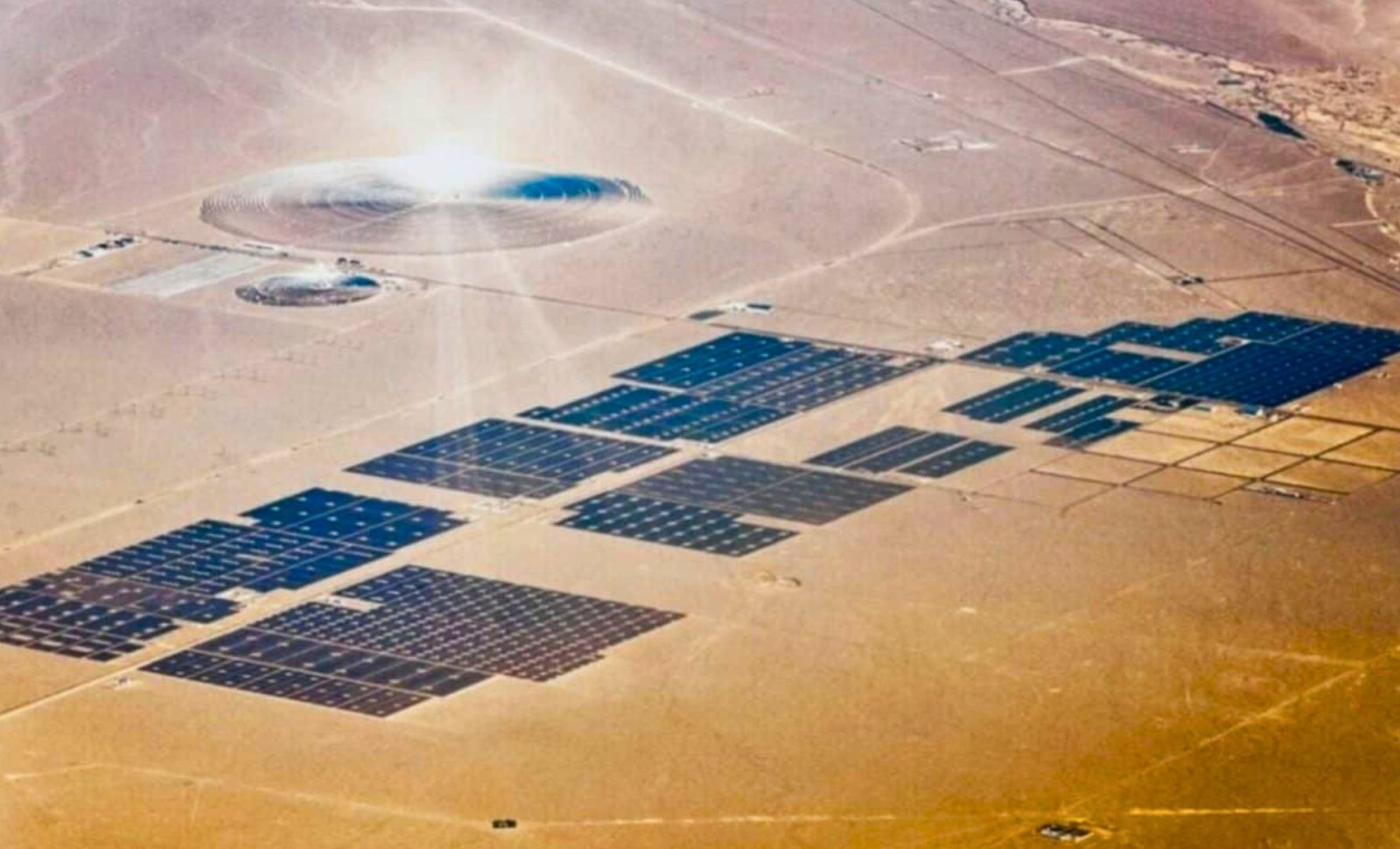
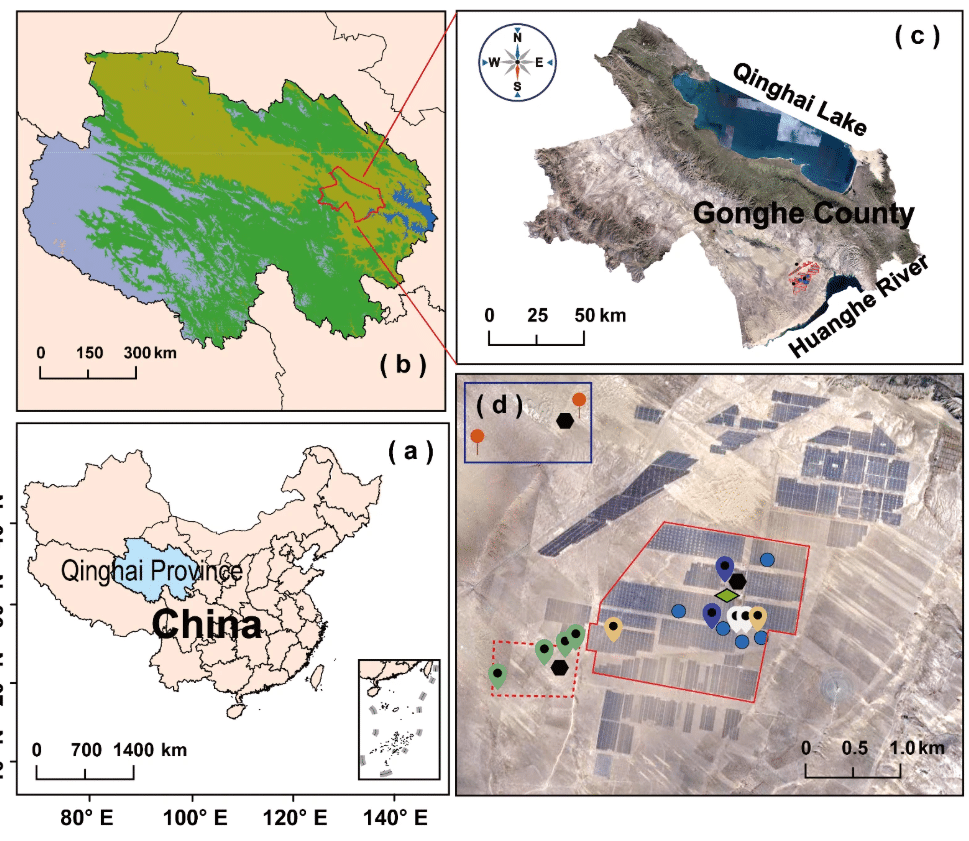
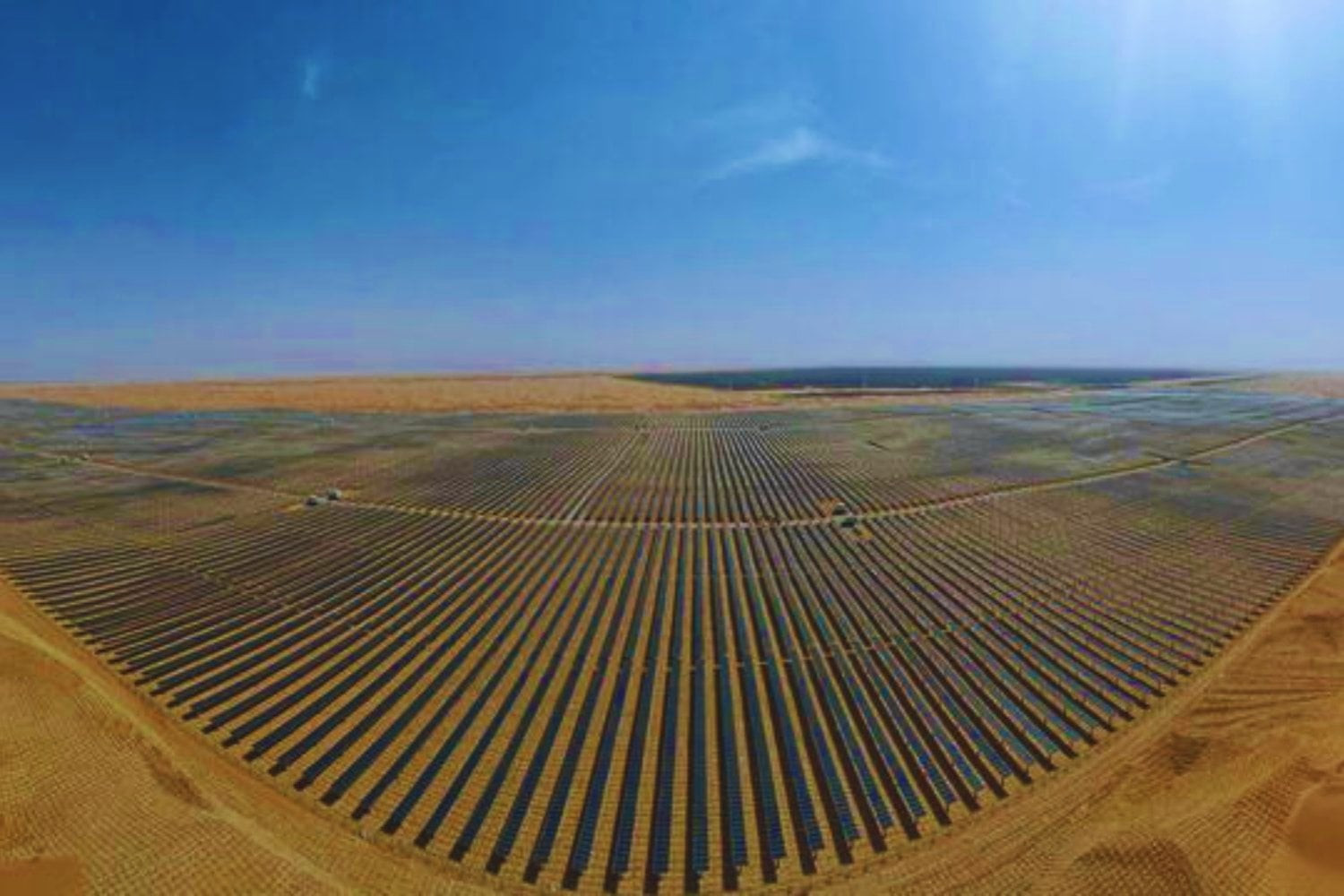
In the remote highlands of western China, expansive rows of sleek photovoltaic panels now blanket an area once regarded as barren. This site in the Talatan Desert within Qinghai Province is defined by intense sunlight, thin air, and scarce rainfall. Situated at approximately 2,910 meters above sea level, the region undergoes extreme temperature fluctuations—scorching days followed by cold nights—that leave the soil fragile and dry most of the year.
The plateau receives an average annual precipitation of just about 246 millimeters, making it highly susceptible to wind erosion and desert expansion. Powerful winds frequently scour the landscape, carrying away loose soil and hampering vegetation growth. Even with minimal human interference, the ecosystem’s recovery was extremely slow due to the arid climate and shifting sands. Researchers have long classified this terrain as one of western China’s toughest desert areas.
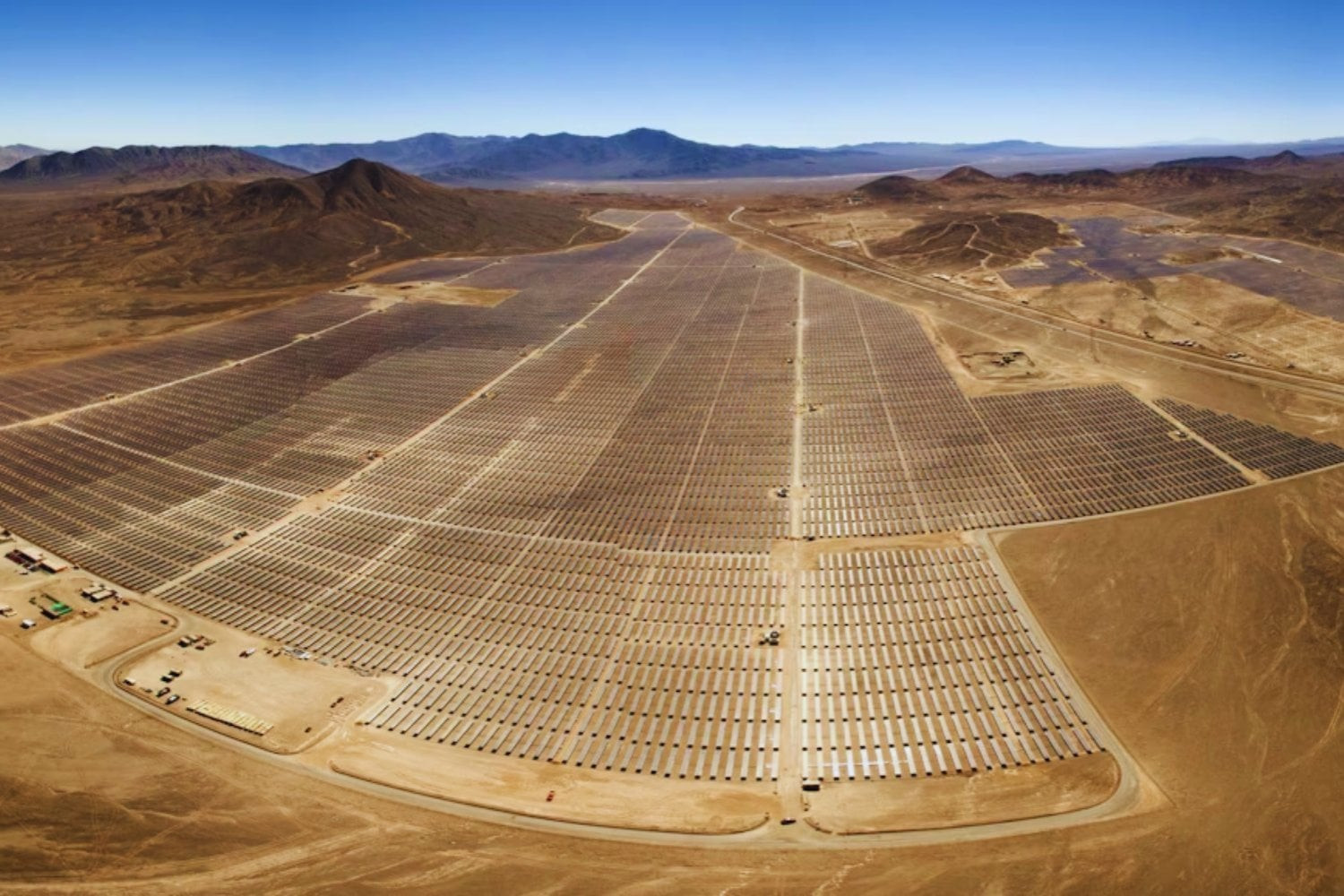
However, the terrain started transforming after the establishment of the Qinghai Gonghe Photovoltaic Industrial Park, one of the largest solar energy ventures deployed in a desert environment. Thousands of solar panels were installed over nearly 64 square kilometers, turning the remote plateau into a hub for renewable energy generation. This project supports China’s broader efforts to deploy large-scale clean energy infrastructure across the country.

Initially, the solar panels seemed to cover unused land without ecological impact. However, scientists noticed subtle modifications in the soil beneath the arrays. They recorded variations in soil temperature and discovered that moisture persisted longer in these shaded areas following the scarce rainfall events.
A Living Experiment Within a Huge Solar Facility
Intrigued, a team led by W. Wu conducted a comprehensive study on environmental dynamics within the solar park. Their findings, published in Scientific Reports, documented detectable environmental shifts occurring inside the photovoltaic installation. The team leveraged the controlled nature of the site to examine micro-scale environmental variations.
The study area was segmented into three zones: soil underneath the solar panels, spaces between rows, and untouched adjacent desert land. This setup allowed researchers to precisely track the influence of solar infrastructure on soil and vegetation separated by mere meters.
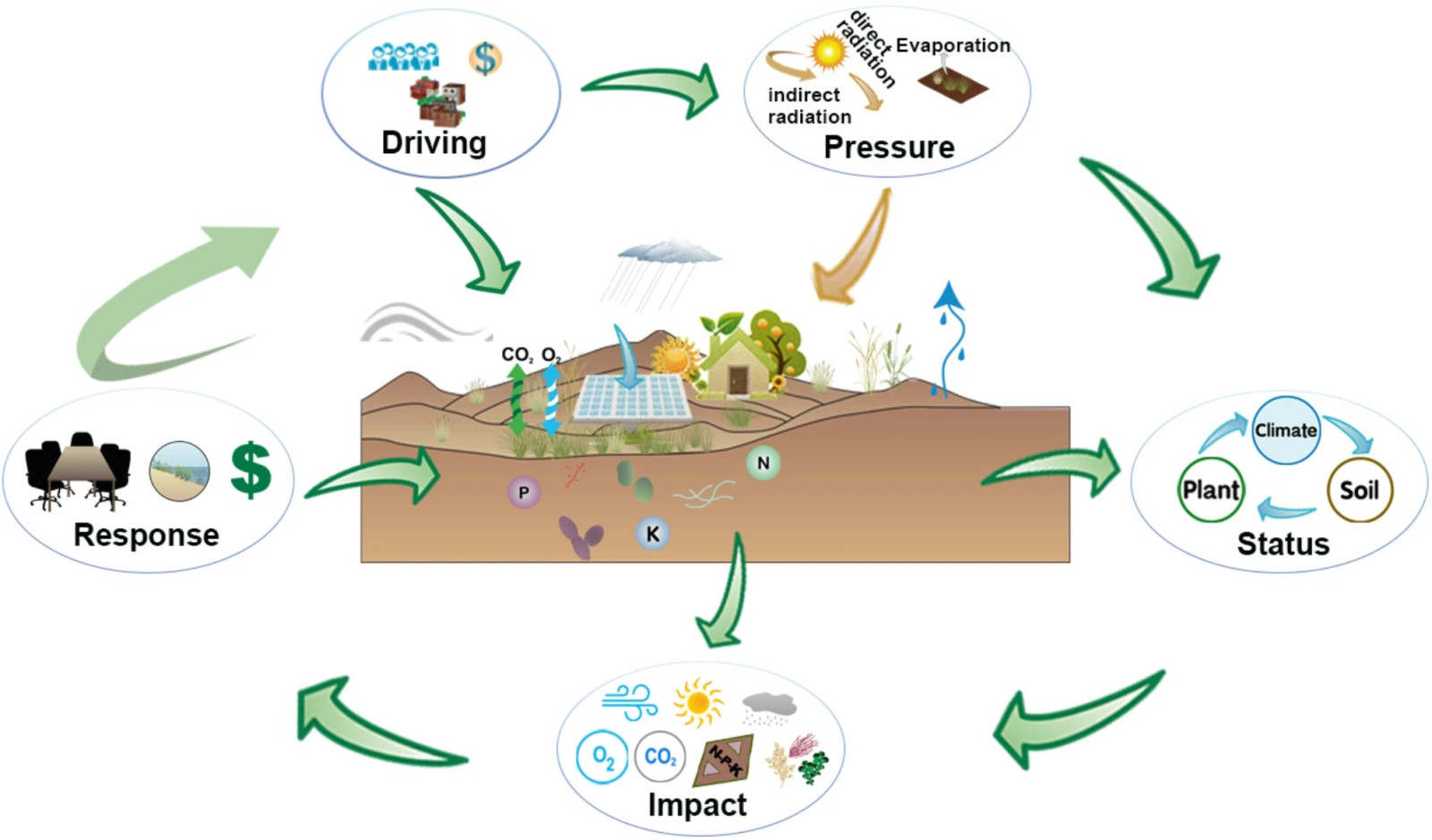
Researchers applied the DPSIR framework, an analytical method assessing human-environment interactions. They evaluated 57 ecological indicators including soil moisture, plant growth, microbial activity, temperature, and ecosystem stability. This comprehensive dataset enabled comparison of ecological status across the facility’s zones.
The results revealed that the solar arrays fostered distinct microclimates within the desert. Conditions under the panels significantly differed from neighboring exposed desert areas, showing that the solar infrastructure actively influenced ground-level environmental factors.
Solar Panels Create Softer Ground Conditions
The shading effect of photovoltaic panels was a key agent of change. By intercepting sunlight, the panels produced moving shadows that reduced direct solar heating on the soil surface, thereby slowing evaporation and retaining moisture for longer periods following rainfall.
This cooler environment beneath the panels preserved soil moisture, essential in dry desert climates where water is scarce. The study found that shaded soil layers maintained lower temperatures and increased humidity compared to exposed areas, encouraging biological activity.
Over time, these conditions nurtured more active microbial communities that are crucial for nutrient recycling in desert ecosystems. The moderated temperatures reduced the rapid drying and cracking typically observed in desert soil, thus sustaining a healthier soil environment.
When assessing ecological scores, the shaded plots under solar panels scored 0.4393, higher than transitional zones at 0.2858 and untouched desert areas scoring 0.2802. This highlights enhanced environmental quality beneath the photovoltaic structures.
Vegetation Emerges Beneath the Solar Arrays
Plant life notably began to flourish more under the shaded panels, with drought-tolerant grasses and desert flowering plants gaining a foothold where previously barren ground existed. While vegetation remained sparse, its presence marked a critical ecological shift.
Vegetation contributes vital ecological functions: stabilizing loose desert soil with roots, reducing wind erosion, and adding organic matter that enriches soil quality over time. These changes gradually improve the terrain’s capacity to sustain life.
The solar arrays also act as partial windbreaks, slowing wind speeds at ground level. This drop in wind intensity helps prevent soil erosion and gives seedlings a better chance to survive and develop root systems.
Together, the shifts in moisture, plant growth, and microbiological processes are fostering a nascent desert ecosystem under the photovoltaic farm, distinct from the harsher surrounding environment.
The Intersection of Solar Energy and Desert Rehabilitation
China increasingly chooses desert locations for solar farms due to the abundant sunlight and open space. However, desertification affects roughly a quarter of the country’s land, making these ecosystems fragile and at risk.
Innovations like agrivoltaics—which combine solar arrays with vegetation growth—are gaining traction. Such projects aim to simultaneously produce green electricity and promote landscape stability by supporting soil and plant health.
The Qinghai Gonghe case demonstrates that solar infrastructure can reshape desert ecosystems by modifying sunlight distribution, wind patterns, and soil moisture. These factors interact to gradually improve environmental conditions in what was once an inhospitable region.
Ongoing studies will be crucial to fully understand these transformations over the long term. For now, the solar installation in Qinghai continues to deliver clean energy while fostering a slowly recovering desert ecosystem beneath its panels.
- Categories:
- News





0 comments
Sign in to Comment