
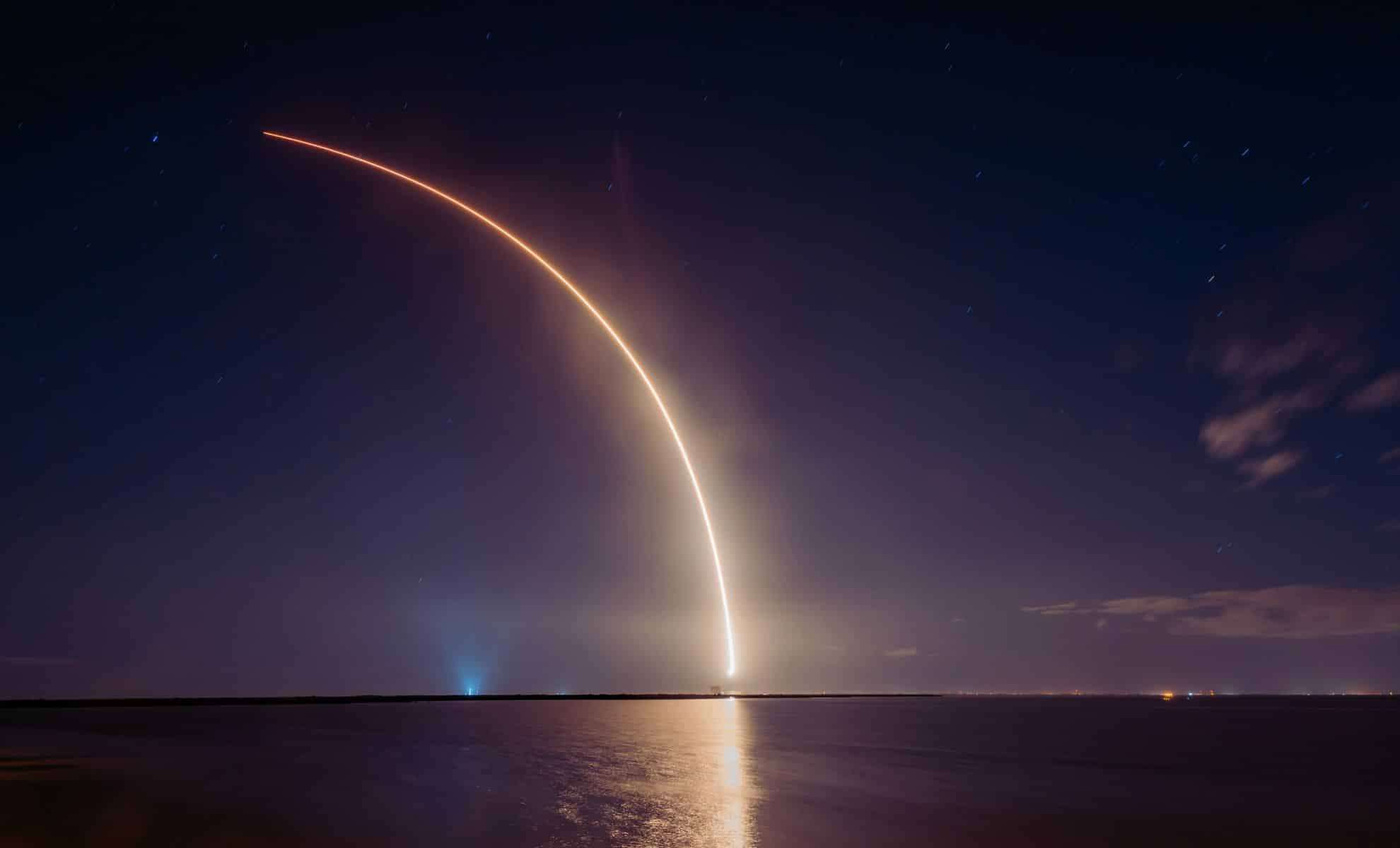
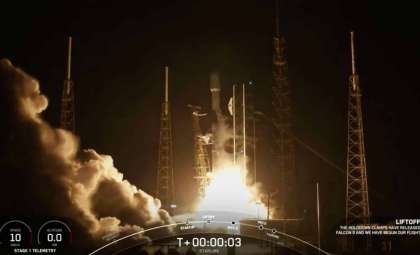
SpaceX is gearing up for an extraordinary milestone on August 9, 2025, as its Falcon 9 rocket is scheduled to lift off for the company’s landmark 100th mission of the year. SpaceX shared the news, confirming that the KF-02 flight will take place from Florida’s launch pad. This mission will deploy 24 satellites for Amazon’s Project Kuiper, an ambitious rival to SpaceX’s own Starlink broadband constellation.
Advancing Amazon’s Ambitious Satellite Internet Plan
Project Kuiper, initiated by Amazon in 2019, seeks to provide fast internet connectivity to underserved rural and remote regions worldwide. With a planned constellation of more than 3,200 satellites, Kuiper aims to emerge as a major competitor to SpaceX’s Starlink network. Currently, Project Kuiper remains in an early phase, with the upcoming August 9 launch representing only its fourth deployment mission. When complete, the constellation will enhance internet availability in remote areas across the Americas, Africa, and Southeast Asia.
Amazon has partnered with multiple launch providers to place Kuiper satellites in orbit, including SpaceX, Arianespace’s Ariane 6, Blue Origin’s New Glenn, and United Launch Alliance’s Atlas V and Vulcan Centaur rockets. Utilizing diverse launch services ensures Project Kuiper’s timely rollout, supporting Amazon’s goal to establish global broadband coverage.

While Kuiper’s scale is substantial, it faces fierce rivalry from SpaceX’s Starlink system, which currently operates more than 8,100 satellites. This competition between the two tech giants is poised to shape how underserved communities worldwide gain internet access in the years ahead.
A Landmark 100th Launch Highlighting Rocket Reusability
SpaceX’s upcoming Falcon 9 flight on August 9 is a major event not only for Amazon but also marks a key achievement for SpaceX. The rocket carrying the Kuiper payload will be the company’s 100th launch in 2025, capping off a year with 97 Falcon 9 missions already completed alongside three Starship test flights, SpaceX’s next-generation, reusable spacecraft designed for Mars exploration.
This milestone underscores SpaceX’s leadership in rocket reusability. The Falcon 9’s first stage is planned to return and land on the autonomous drone ship “A Shortfall of Gravitas” in the Atlantic about 8.5 minutes after liftoff—a routine yet critical component of SpaceX’s cost-cutting launch strategy. One of their Falcon 9 boosters has already flown an impressive 29 missions successfully.
Reusing rocket hardware is revolutionizing spaceflight economics and sustainability. SpaceX’s ability to refurbish and relaunch boosters multiple times dramatically reduces launch expenses, benefiting commercial projects such as Amazon’s Project Kuiper by lowering access costs to Earth orbit.
- Categories:
- News








0 comments
Sign in to Comment