
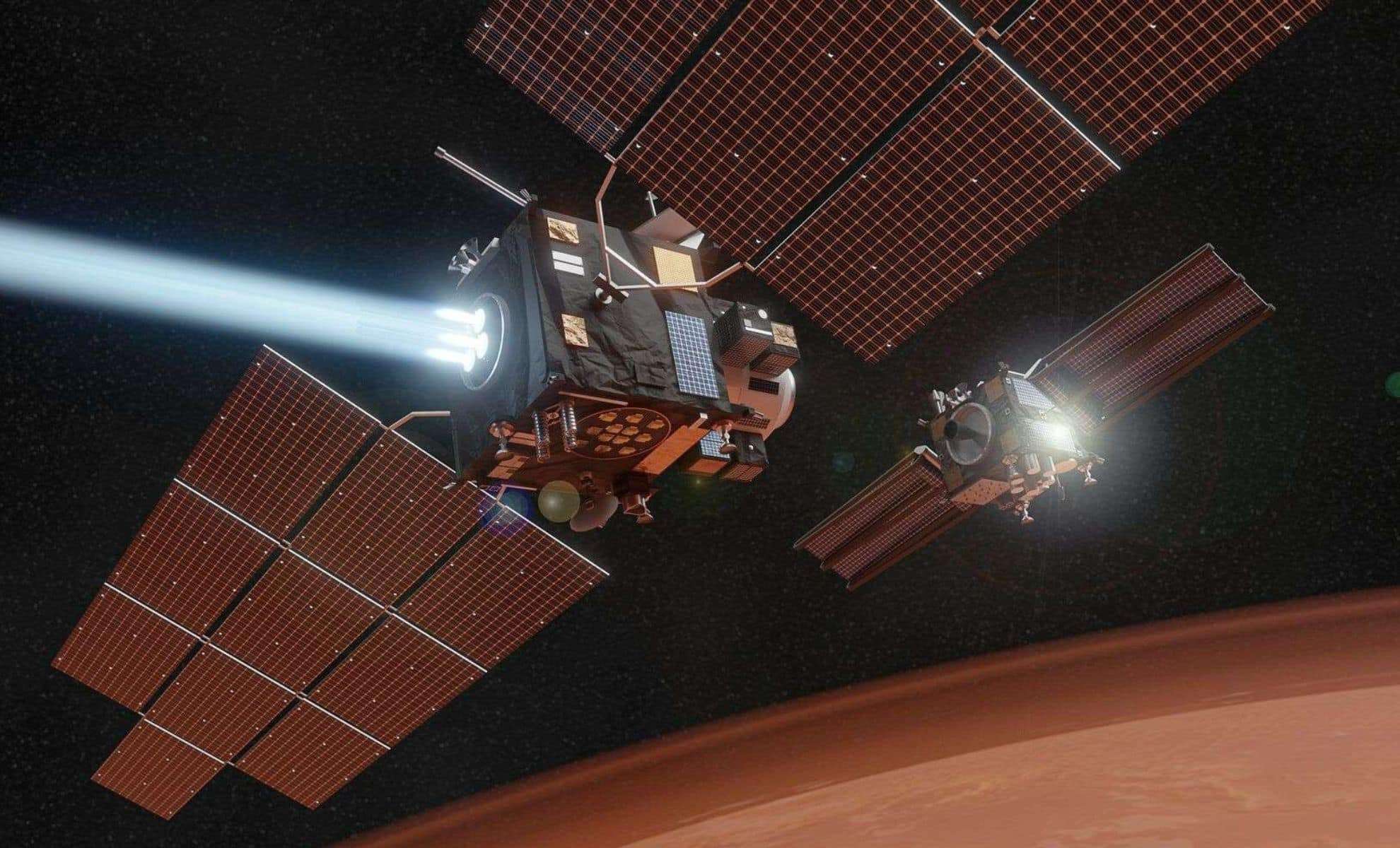
The European Space Agency (ESA) is launching an innovative initiative poised to transform Mars exploration. Known as LightShip, this interplanetary tug will ferry cargo between Earth and Mars, aiming to cut expenses and enable more frequent expeditions. Powered by solar energy and designed for repeated use, LightShip marks a crucial advancement toward more economical and consistent missions to the Red Planet.
A Mars Tow Vehicle in Orbit
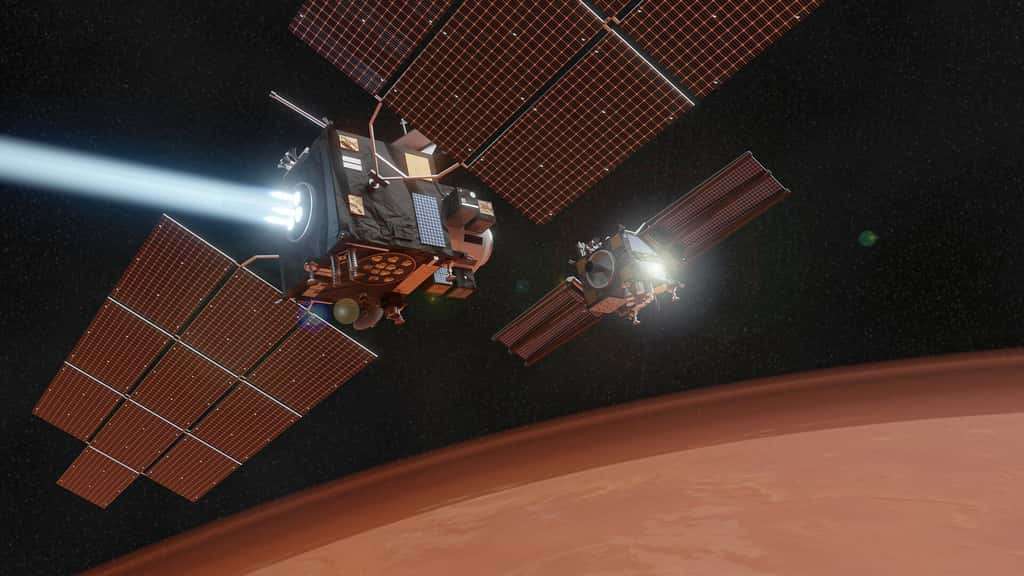
LightShip functions primarily as a reusable spacecraft intended for the transport of cargo, such as scientific payloads, on routes connecting Earth and Mars. After delivering materials to specified Martian orbits, it will stay positioned roughly 6,000 kilometers above the surface, serving as a communication relay while it journeys back to Earth. ESA envisions that by 2032, this approach will substantially reduce mission costs, with subsequent launches occurring every two to three years.
This initiative is central to ESA’s overarching plan to establish a dependable infrastructure facilitating scientific investigations on Mars. By enhancing interplanetary transport accessibility, ESA hopes to ease human exploration while assembling an expanding network optimized for effective communication and data exchange.

ESA’s Ambitions for Upcoming Mars Expeditions
Scheduled for launch in 2032, LightShip’s maiden voyage is already soliciting additional scientific instruments to accompany its cargo. Besides carrying high-definition cameras, ESA aims to include devices capable of tracking Mars’ atmospheric dynamics—such as weather patterns, wind behavior, and dust storm activity—offering essential data about Martian conditions.
As the project advances, these missions will establish a steadily growing framework for Mars research. LightShip’s evolving capabilities are intended to foster scientific partnerships and provide an affordable, regular means of transporting research teams and technology to Mars.
Creating a Mars Communication and Navigation Network
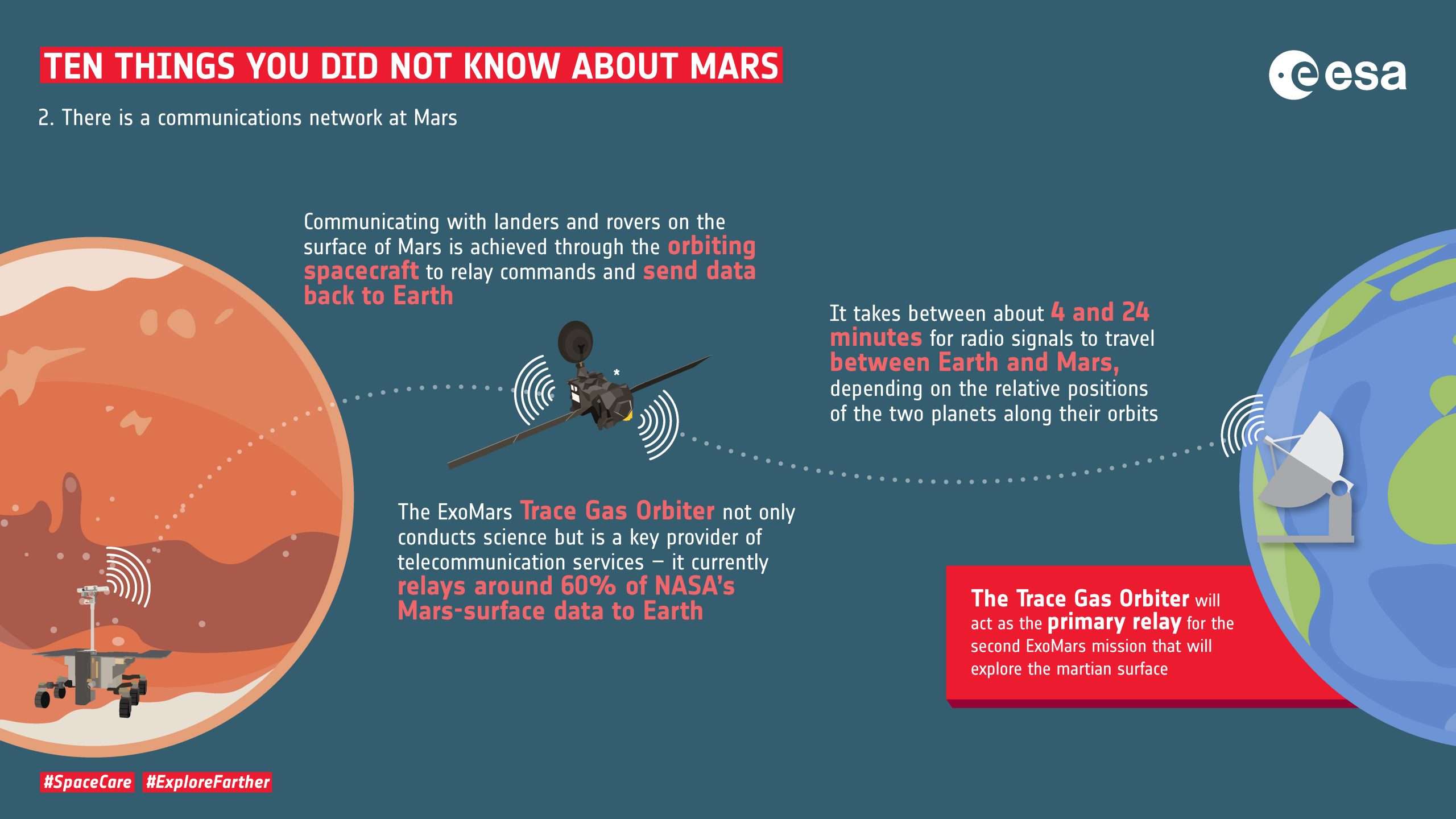
A standout feature of the LightShip mission is its role in building a Mars-centric communication network. By placing communication relays in Martian orbit through successive deliveries, LightShip will improve mission coordination and Earth connectivity. This infrastructure is a stepping stone toward a satellite navigation system that could enable highly accurate landings on Mars in the future.
The project’s modular design offers adaptability to evolving mission requirements, ensuring sustained functionality over multiple expeditions. ESA anticipates that LightShip will be a cornerstone of a sustainable long-term framework for planetary exploration.
With its visionary LightShip program, ESA aims to make frequent, cost-efficient journeys to Mars a practical reality, setting the stage for future exploration and scientific discovery on the Red Planet. This initiative could soon serve as a vital foundation for a new chapter in space travel, providing a reliable link between Earth and Mars.
- Categories:
- News










0 comments
Sign in to Comment