
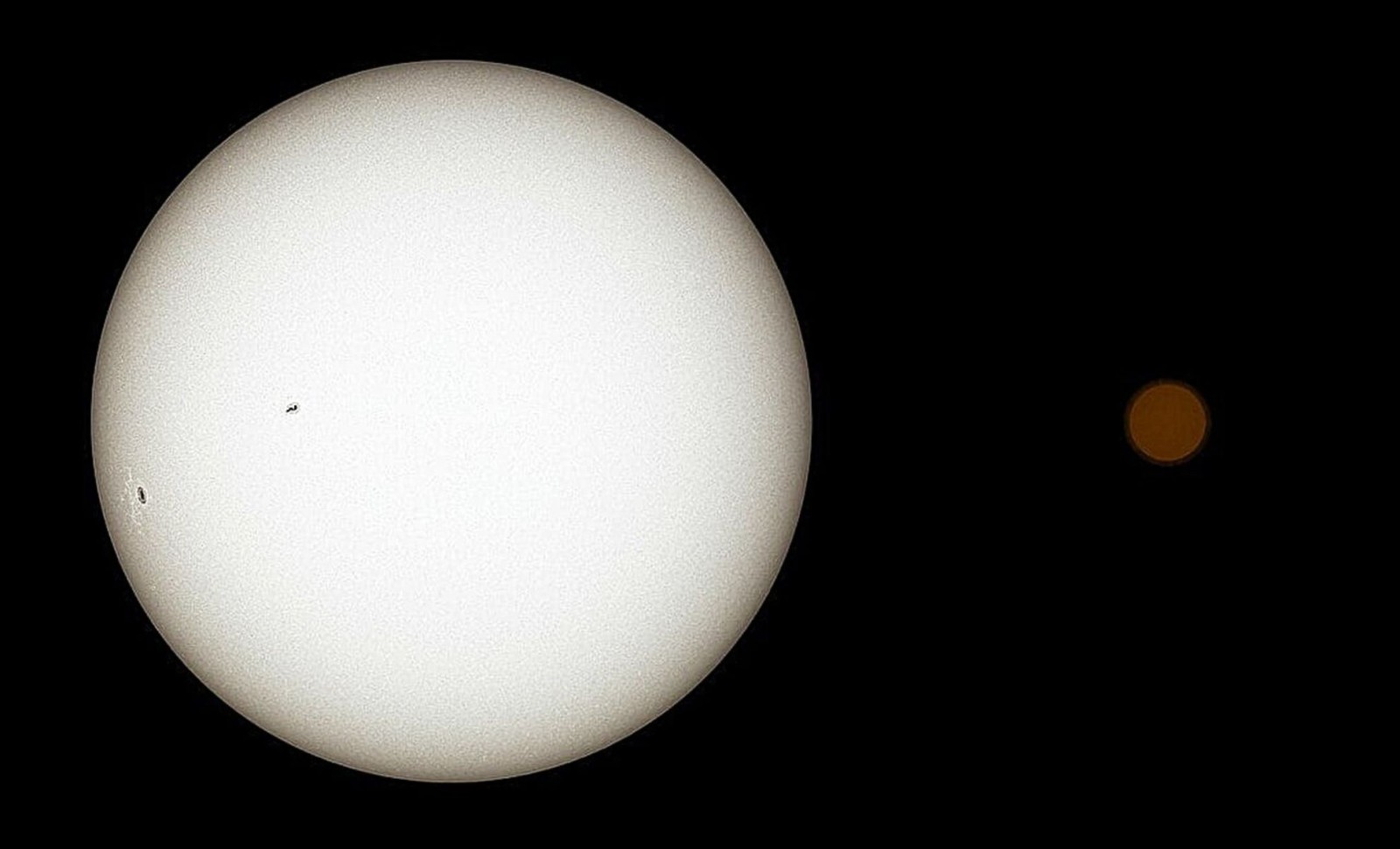
A team of scientists from China is intensifying efforts to detect alien radio broadcasts originating from the TRAPPIST-1 planetary system, a nearby star system with several planets that could potentially sustain life. Their investigation represents one of the most comprehensive searches conducted in this cosmic neighborhood. With improvements in observational technology, they aim to uncover signals that might confirm the presence of extraterrestrial civilizations, addressing a question humanity has pondered for generations.
TRAPPIST-1 has become a focal point for astronomers because it hosts seven planets, many orbiting within the habitable zone—the region where conditions may allow for surface liquid water, an essential prerequisite for life. Although no signs of life have yet been detected, the system’s unique characteristics make it an exceptional subject for this kind of exploratory study.
What Makes TRAPPIST-1 So Important?
In the search for alien life, TRAPPIST-1 ranks among the prime candidates. NASA highlights that this star lies relatively close by, approximately 40 light-years from Earth, making it accessible to modern telescopes. Its planets are not only Earth-sized but also reside within the star’s temperate zone, creating conditions that might permit life to exist.

Beyond planetary position, TRAPPIST-1’s low stellar activity provides a quieter backdrop, improving the likelihood of detecting subtle signals coming from its worlds. The cluster of planets being closely packed also enables researchers to study the system as an integrated whole.
The research detailed on arXiv emphasizes these qualities as key reasons why TRAPPIST-1 is among the best locations to listen for possible alien transmissions. If intelligent life exists and attempts contact, this may be the place to intercept their messages.

Listening for Alien Radio Emissions
Radio communication has long been the preferred channel in the endeavor to identify extraterrestrial intelligence. The premise is straightforward: advanced alien civilizations might broadcast across space via radio waves, a practice humans have adopted on Earth. Employing cutting-edge radio telescopes, the Chinese research group scans the system for unusual signals that could indicate intelligent origins.
“With better equipment, like the upcoming Square Kilometer Array (SKA), we might soon be able to detect signals from an alien civilization communicating with its spacecraft,” said Nick Tusay, a PhD Candidate in Astronomy, Astrophysics, and Astrobiology at Penn State University.
Detecting these signals is daunting; should they exist, they would be exceedingly weak and masked by interference from numerous cosmic radio sources. Nonetheless, the Chinese team remains committed.
Their investigations cover a broad spectrum of radio frequencies, aiming to identify any anomalies. Advances in technology promise improvements in signal detection sensitivity, elevating the chances of success. Scientists regard this effort as one of the most exhaustive explorations ever conducted in this sector of space.
Scientists made models for TRAPPIST-1 b: with an atmosphere, and without. Webb’s results matched the model with no atmosphere. If TRAPPIST-1 b did have an atmosphere to circulate and distribute heat, its temperature should have been much cooler than what was measured. pic.twitter.com/nu3iehKioo
— NASA Webb Telescope (@NASAWebb) March 27, 2023
A Worldwide Collaboration to Detect Extraterrestrial Life
Astronomers around the globe, from North America to Europe, are deploying diverse strategies to detect signs of intelligent life beyond Earth. TRAPPIST-1 features prominently on this list due to its proximity and the life-friendly potential of its planets. The project, led by Guang-Yuan Song of Dezhou University, underscores how international cooperation bolsters the likelihood of discovery by pooling observational resources and expertise.
While the primary focus lies in capturing radio emissions, astronomers also employ complementary approaches, such as analyzing exoplanet atmospheres for biosignatures like oxygen and methane, which could signal biological activity.
- Categories:
- Astronomy












0 comments
Sign in to Comment