
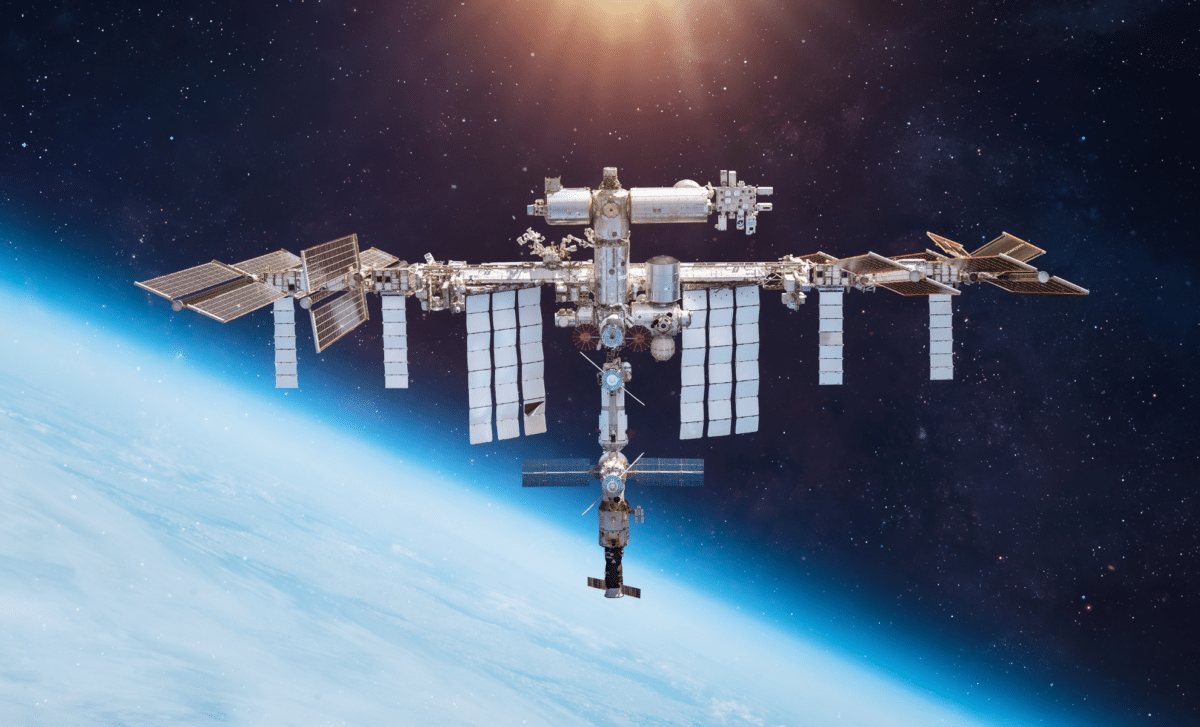
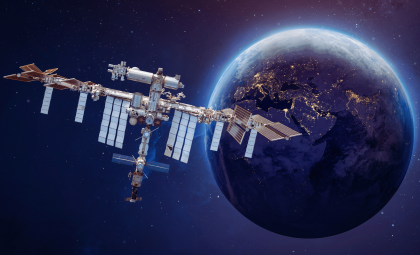
Congress is moving forward with plans to prolong the operational lifespan of the International Space Station (ISS) through 2032, ensuring the United States retains a commanding role in human spaceflight. Initially, the ISS was set to conclude its mission by 2030, but ongoing concerns related to national security, geopolitical rivalry, and the absence of fully operational commercial space stations have driven the push for an extension. As reported by Space.com, this effort underscores the desire to keep U.S. dominance in low Earth orbit (LEO) intact while laying the groundwork for future endeavors such as NASA’s Artemis program. The U.S. Senate Committee on Commerce, Science, and Transportation has been actively debating this extension to secure America's uninterrupted presence in space amid growing competition, particularly from China.
Ensuring Continued U.S. Dominance in Space
The United States has historically led in space exploration, and sustaining this advantage within LEO is critical for the nation’s strategic goals. Since November 2000, the ISS has been continuously inhabited, serving as a hub for vital scientific experiments and international collaboration. Nevertheless, as China intensifies its space efforts, including establishing the Tiangong space station in 2021 and planning operations until the mid-2030s, concerns about maintaining American leadership in orbit intensify.
“The goal of the extension is to avoid a gap in continuous human presence and capabilities in LEO [low Earth orbit], thus avoiding ceding leadership to China before commercial stations are ready,” said the U.S. Senate Committee on Commerce, Science, and Transportation in a summary of the bill.
Add Cosmo Herald as a Preferred Source

Extending the ISS’s mission through 2032 guarantees a persistent American foothold in space, preserving leadership in LEO while supporting preparations for future deep space missions.
Keeping the ISS operational until 2032 aligns with wider national space policies. As Senator Ted Cruz emphasized during a September hearing, “This is a pivotal moment for our nation’s space program. America must maintain leadership in low Earth orbit while also embarking on a new era of exploration with Artemis.” The extension also highlights the transition challenge from government-run space platforms toward commercial ones, positioning the ISS as a critical link to the next chapter of human spaceflight.
“Congress to weigh extending space station life, NASA moon base” https://t.co/BI5MRPPNcL
— NASA Watch (@NASAWatch) February 27, 2026
“NASA had planned to retire the ISS, which has been in orbit for more than two decades, by 2030. The proposed extension would set its retirement at 2032.
…. #NASA is funding early company… pic.twitter.com/zsGHB02wRX
Advancing the Commercial Space Station Sector
While the government seeks to keep the ISS active, it is simultaneously encouraging the emergence of commercial space stations to eventually assume operations in LEO. NASA’s Commercial LEO Destinations program supports this by funding private enterprises such as Blue Origin and Voyager Technologies. Other firms like Axiom Space are designing new orbital habitats, including projects like Orbital Reef and Starlab, which may succeed the ISS.
The Senate committee, however, remains prudent, stressing the need for commercial stations to be fully prepared before a transition occurs.
“When one or more commercial space stations is capable of providing services to the National Aeronautics and Space Administration, the Administrator shall begin the process of an orderly, managed transition of operations from the International Space Station to commercial providers in such a way as to maintain a continuous human presence,” the bill stipulates.
This measured stance acknowledges the uncertainties about commercial readiness, making the ISS extension vital to preventing any lapses in American space capabilities.
Integrating ISS with NASA’s Artemis Mission
The decision to extend the ISS also supports NASA’s overarching ambitions, especially the Artemis program, which intends to bring astronauts back to the Moon and prepare for eventual Mars expeditions. Sustaining leadership in low Earth orbit ensures ongoing support for crucial scientific and cooperative efforts. A Senate committee statement explained, “The lunar base will be capable of long-duration habitation, as well as robotic and human-tended industrial operations to advance science, technology and strategic interests.” This lunar outpost is designed as a launchpad for Mars exploration.
By reaffirming U.S. dominance in LEO and prolonging the ISS’s active role, the United States bolsters the technical and research foundations essential for Artemis and subsequent interplanetary missions. As the release states,
“A sustained human and robotic presence at the lunar base will support priority scientific investigations that lay the foundation for a successful mission to Mars.”
Funding Challenges and Future Space Investments
Budget discussions in the U.S. government have underscored the need for sustained support for space initiatives. The NASA Authorization bill proposes not only to extend the ISS but also to secure robust funding for NASA during fiscal years 2026 and 2027, rejecting suggested budget cuts. Prioritizing investment in space infrastructure highlights the strategic necessity of outpacing global competitors.
Furthermore, this financial commitment is geared toward advancing Artemis and achieving long-term objectives of establishing a permanent human presence on the Moon and eventually Mars. The ISS extension dovetails with these ambitions, emphasizing the centrality of low Earth orbit for future deep-space exploration efforts.
- Categories:
- News








0 comments
Sign in to Comment