
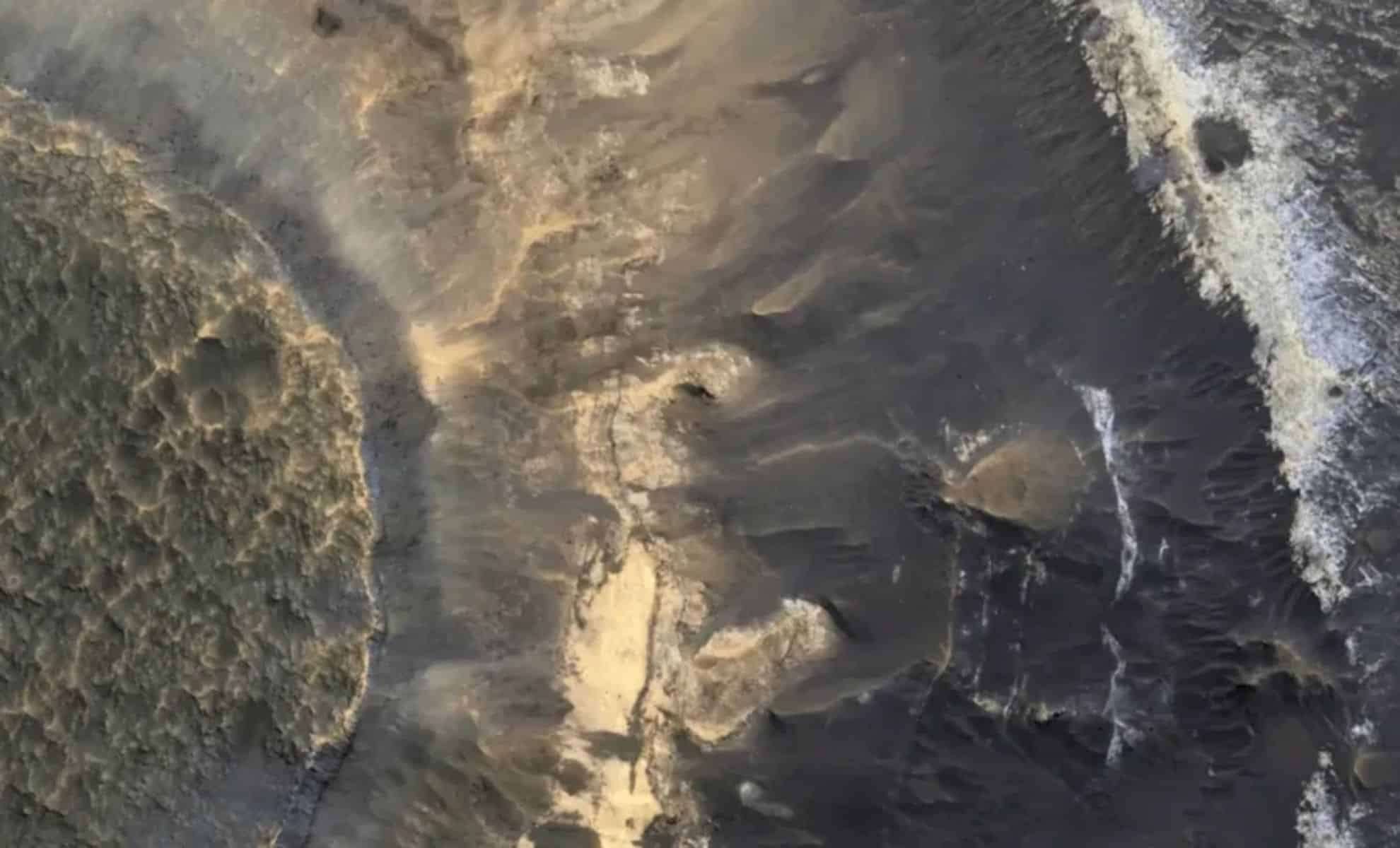
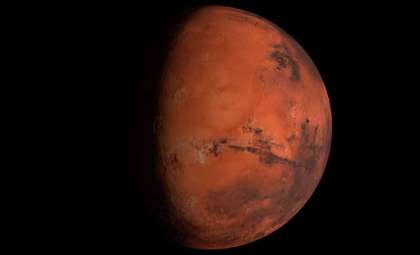
Recent investigations indicate that the substantial, mineral-rich clay strata present on Mars might be crucial in uncovering whether the planet ever supported life. These formations, believed to have originated around 3.7 billion years ago, may offer clues about environmental conditions that could have sustained life over long durations in ancient times.
Exploring Mars’ Primordial Landscape
The presence of clay deposits on Mars has intrigued researchers, as their formation depends on the presence of liquid water. These expansive layers, reaching several hundred feet in thickness, formed under climates that were markedly warmer and more humid than Mars’ current arid and frigid state.
Rhianna Moore, a postdoctoral researcher at the University of Texas’ Jackson School of Geosciences and a co-author of the paper, comments, “These locations contain abundant water but experience minimal elevation changes, which promotes environmental stability.” This steadiness could mean that these areas have maintained their potentially habitable settings through time, making them prime targets for detecting evidence of past life.
Conditions That Favor Life
On Earth, thick clay deposits typically develop in moist environments where erosion is limited, allowing clay to accumulate without being removed by weathering. “Earth’s densest clay sequences occur in humid regions with minimal physical erosion, which prevents loss of fresh weathering materials,” explains Tim Goudge, assistant professor at the Jackson School. The study, reported in Nature Astronomy, reinforces the idea that analogous settings might have existed on ancient Mars, potentially benefiting microbial life.

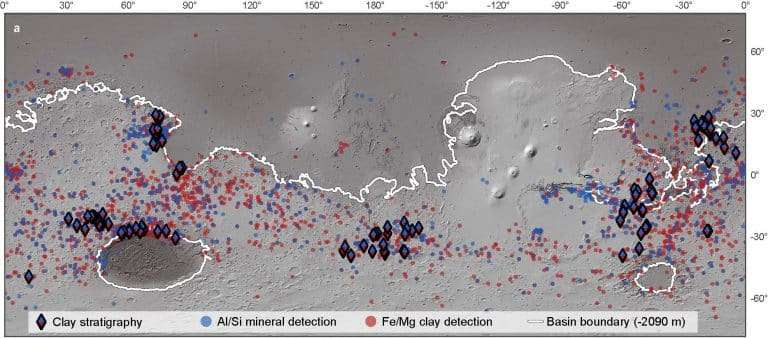
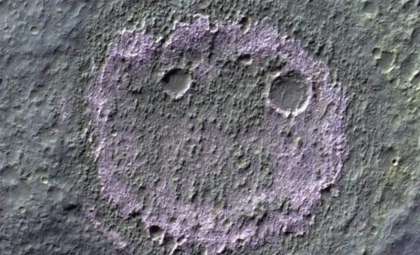
Utilizing data from NASA’s Mars Reconnaissance Orbiter, the researchers examined 150 clay deposit sites, analyzing their morphology, spatial distribution, and relationship to nearby ancient water features such as lakes and rivers. Their results show these clay deposits largely occupy lowland regions adjacent to prehistoric lakes, yet are distant from areas that experienced intense water flows.
This pattern suggests formation through mild chemical weathering processes, avoiding more forceful physical erosion. According to the scientists, “clay mineral-rich layers often appear where chemical breakdown dominated over physical erosion, located away from valley networks and nearer to stable water bodies.”
Unraveling the Puzzle of Carbonate Scarcity on Mars
The research also offers insights into the puzzling scarcity of carbonate minerals on Mars, compounds commonly associated with water-rock and CO2 interactions on Earth. These minerals, like limestone, help regulate planetary climates by sequestering atmospheric CO2.
However, Mars’ lack of active tectonics means that fresh rock surfaces are infrequently exposed to the atmosphere, hindering carbonate formation. Consequently, volcanic CO2 likely remained in the atmosphere longer, creating conditions favorable to clay development.
The team proposes that Martian clay layers may have absorbed water and trapped dissolved ions, limiting interaction between carbon dioxide and rocks, which suppressed carbonate creation. Moore suggests, “[The clay is] probably one of many factors that’s contributing to this weird lack of predicted carbonates on Mars.”
- Categories:
- News








0 comments
Sign in to Comment