
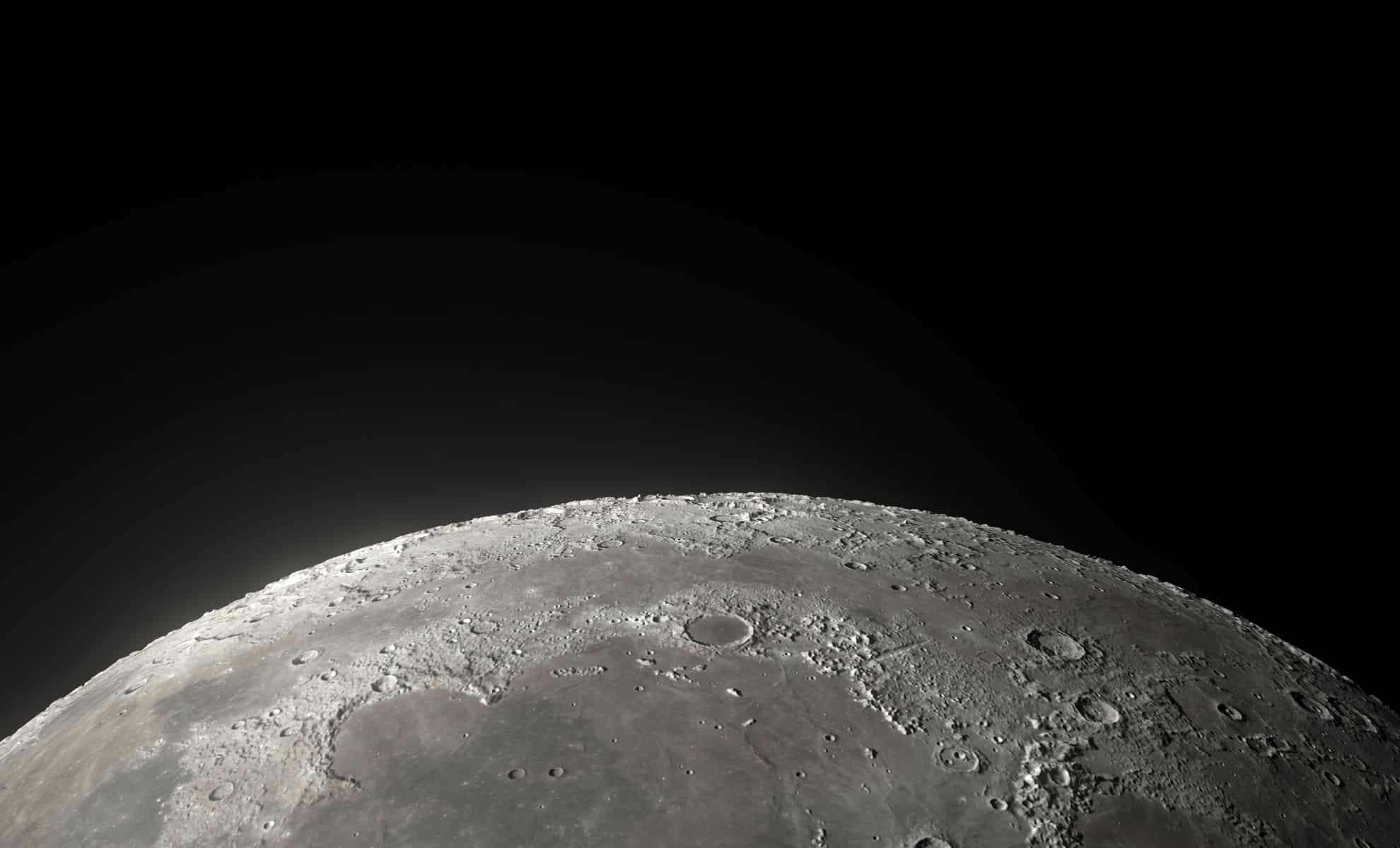
For ages, humanity has admired the Moon’s serene presence in the night sky. Recent studies, however, reveal that its cratered surface might harbor enormous wealth in precious metals. Experts now estimate that platinum-group elements worth over a trillion dollars could be extracted from lunar soil.
Uncovering Lunar Metal Wealth
The idea of mining the Moon has captured renewed interest due to its abundant mineral prospects. The impact craters on the Moon, formed billions of years ago by asteroid collisions, are believed to contain rich deposits of valuable metals such as platinum, palladium, rhodium, ruthenium, iridium, and osmium. These metals are essential to various industries here on Earth.
Research led by Jayanth Chennamangalam and his team suggests that the combined value of these metals could surpass a trillion dollars, considering their scarcity and market rates.

These precious metals likely originated from asteroid material embedded within lunar craters. “There are significantly more craters on the Moon containing asteroid ores than easily reachable asteroids,” Chennamangalam notes.
Mining metals from lunar craters may prove more practical than extracting them from distant asteroids due to easier accessibility.
The Practicality of Extracting Moon Metals
Mining metal-rich asteroids has been discussed extensively in scientific circles, yet the enormous distances involved make such ventures costly and complicated. The process of mining, transporting materials, and returning them to Earth presents major logistical hurdles.
By contrast, lunar mining could offer a much more feasible solution. At roughly 384,400 kilometers from Earth, the Moon’s close proximity could drastically cut expenses and mission times. Given the massive value of platinum-group metals potentially available, lunar mining stands as an economically promising venture.
Legal Challenges Surrounding Lunar Resources
The exciting economic prospects of harvesting lunar minerals are complicated by legal issues. The 1979 United Nations Moon Agreement designates the Moon and other celestial bodies as the “common heritage of mankind.” This means no nation or corporation can claim exclusive ownership of lunar resources, creating a complex legal environment for prospective miners.
Despite the Moon Agreement, private companies and space-capable countries have expressed increasing interest in lunar resource extraction. Nevertheless, governance concerning property rights and profit division remains unsettled. As technology progresses and mining becomes more practical, international regulations will need to evolve to ensure equitable sharing of lunar wealth.
Looking Ahead: The Promise and Challenges of Lunar Mining
The identification of valuable platinum-group metals on the Moon marks a compelling new chapter for space exploration and industrial sourcing. These metals are vital for electronics, automotive technologies, and the renewable energy sector, potentially driving future space ventures and commercial projects.
Still, achieving viable lunar mining operations will require overcoming numerous obstacles. “With private space mining activities fast approaching, it is vital to update the Outer Space Treaty with clear and fair rules governing resource extraction,” emphasizes Rebecca Connolly from the University of Sydney.
- Categories:
- News











0 comments
Sign in to Comment