
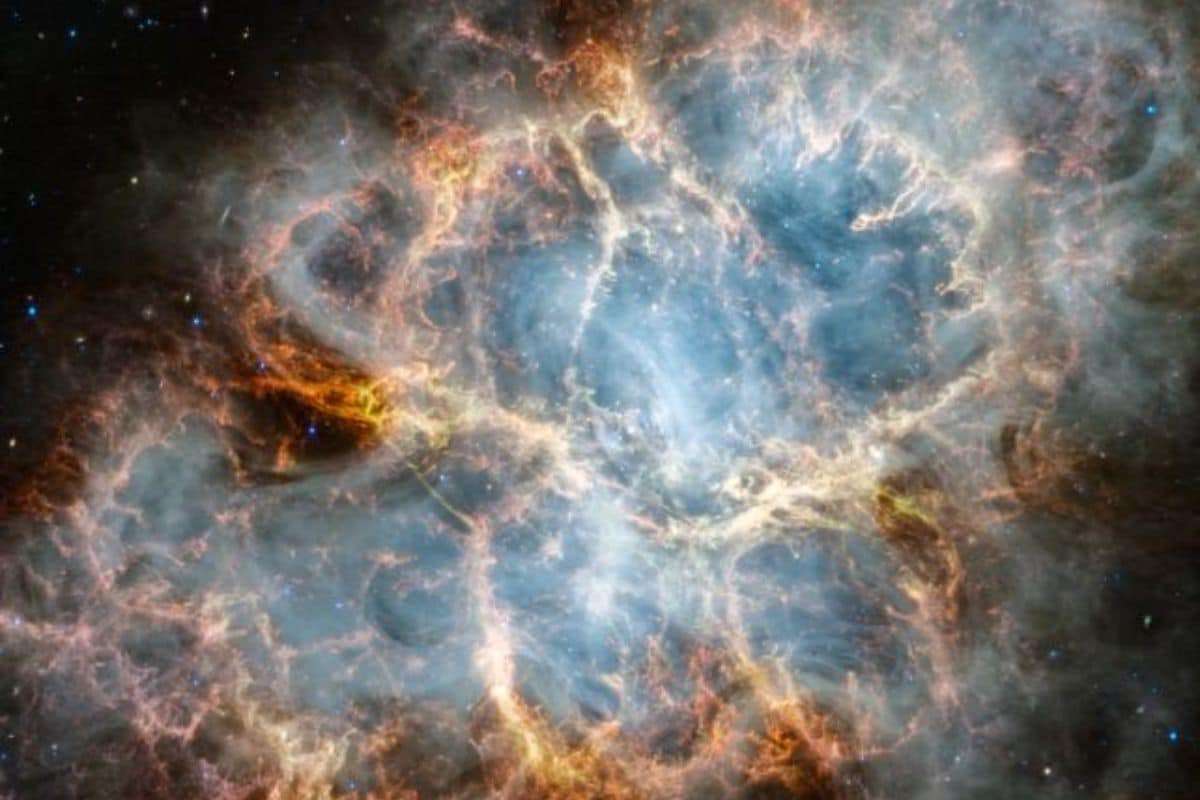
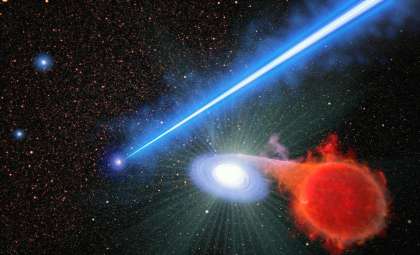
Exploding stars in our cosmic neighborhood might be linked to some of Earth's most dramatic extinction episodes. Recent research led by astrophysicist Alexis Quintana at the University of Alicante proposes that supernovae—the violent deaths of massive stars—could have triggered the Late Ordovician and Late Devonian extinction events.
How Supernovae Affect Earth’s Atmosphere
Nick Wright, an astrophysicist at Keele University, explains: “Supernova explosions rank among the Universe's most powerful events. If a massive star were to explode nearby, it could have catastrophic consequences for life on our planet. This study indicates such an event may have occurred in the past.”
A close-by supernova would unleash intense high-energy radiation that could severely damage Earth’s ozone layer. Without this protective shield, harmful ultraviolet (UV) rays would bombard the surface, potentially disrupting ecosystems.

Significant ozone depletion aligns with both the Late Ordovician (~445 million years ago) and Late Devonian (~372 million years ago) extinction periods, prompting researchers to consider nearby supernovae as a possible cause.
Tracing the Cosmic Clues
To explore this link, Quintana and colleagues surveyed a population of OB-type stars—massive, short-lived stars destined to end as supernovae—within about 3,260 light-years (a kiloparsec) from the Sun.
They identified 24,706 OB stars in this area and estimated a supernova occurrence rate between 15 and 30 per million years across the Milky Way galaxy. Notably, only supernovae within approximately 65 light-years are capable of significantly affecting Earth’s biosphere.
The research team concluded that about 2.5 near-Earth supernovae happen every billion years, a rate consistent with the timing of the Late Ordovician and Late Devonian extinction events.
“Our calculations of the supernova rate near Earth align well with the frequency of mass extinctions linked to external cosmic influences,” notes Nick Wright.
Potential Threats from Future Supernovae
Currently, no known candidate stars are close enough to pose an immediate danger. Prominent massive stars like Betelgeuse and Antares lie several hundred light-years away, making any future supernova explosions from them less likely to damage Earth.
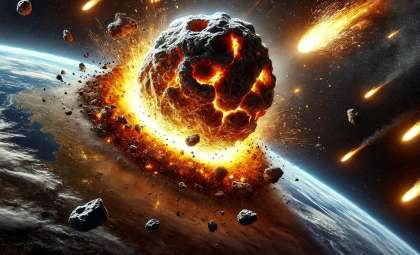
Nonetheless, astronomers continue to survey the skies for aging stars that could become threats. While supernova-induced extinctions might have shaped Earth's past, more immediate risks today include asteroid impacts and volcanic activity.
Cosmic Events Shaping Earth's Evolution
The possibility that extraterrestrial phenomena contributed to mass extinctions shifts our perspective beyond purely terrestrial causes.
If supernovae influenced these ancient biological crises, it highlights Earth’s profound connection to cosmic forces.
Presented on the preprint server arXiv, this study sheds light on the ongoing interplay between Earth and the broader universe, where stellar catastrophes can leave lasting marks on life.
- Categories:
- Astronomy



0 comments
Sign in to Comment