
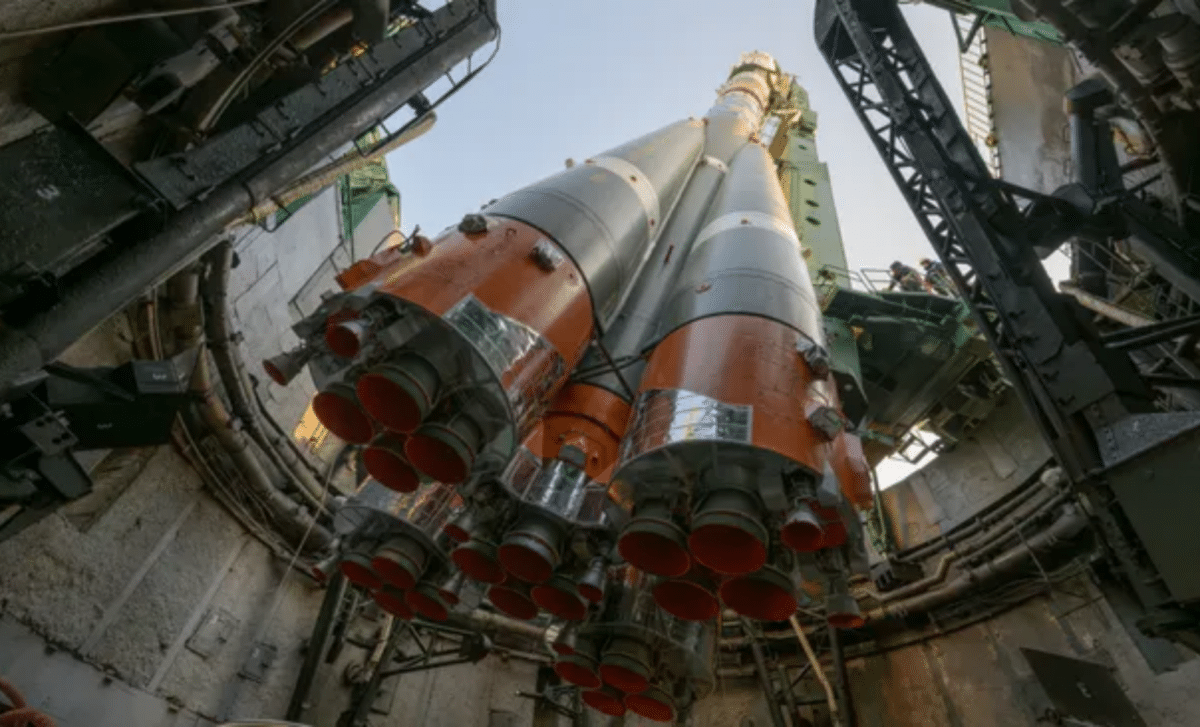
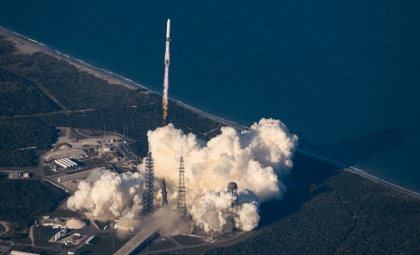
Last November, a Soyuz rocket launch destined for the International Space Station (ISS) unexpectedly inflicted damage on Site 31 at Baikonur Cosmodrome—Russia’s sole active pad for crewed spaceflights. The intense exhaust and vibration from the Nov. 27 launch compromised vital structures, leading to a temporary suspension of operations at this key launch facility managed by Roscosmos. In response, engineers conducted thorough inspections and extensive repairs to restore full functionality ahead of upcoming missions.
Damage at a Vital Russian Launch Complex Triggered by Soyuz Liftoff
The damage occurred during the launch of a Soyuz rocket from Site 31 at historic Baikonur Cosmodrome in Kazakhstan, sending a crew of three astronauts toward the ISS. Although the mission itself was successful, the force generated from the rocket’s takeoff caused unforeseen harm to several parts of the launch pad’s infrastructure. Most notably, the service cabin—a key structural component essential for launch support—sustained significant damage.
Russian space authorities were prompt to address the issue, evaluating damage severity and initiating repair plans. Roscosmos released statements assuring that fixing the site was a top priority and resources were fully available for restoration. The agency commented,

“The launch pad’s condition is currently being assessed,” Roscosmos stated, adding that “all necessary spare components are available for repair, and the damage will be repaired shortly.”
The event raised alarms within spaceflight circles because Site 31 serves as Russia’s only operational crew-rated launch pad for missions to the ISS. Any extended downtime risked delaying imminent Soyuz crewed flights, which remain critical for ferrying astronauts to the orbital station. Additionally, observers debated whether aging hardware or quality issues contributed to the unexpected structural failure.
Extensive Restoration Work Undertaken at Baikonur
Revitalizing a launch pad designed to withstand some of the most powerful rocket thrusts is a formidable challenge. As reported by both Roscosmos and Space.com, the repair operation mobilized over 150 specialists from the agency’s Center for Operation of Space Ground-Based Infrastructure alongside several contractor teams.
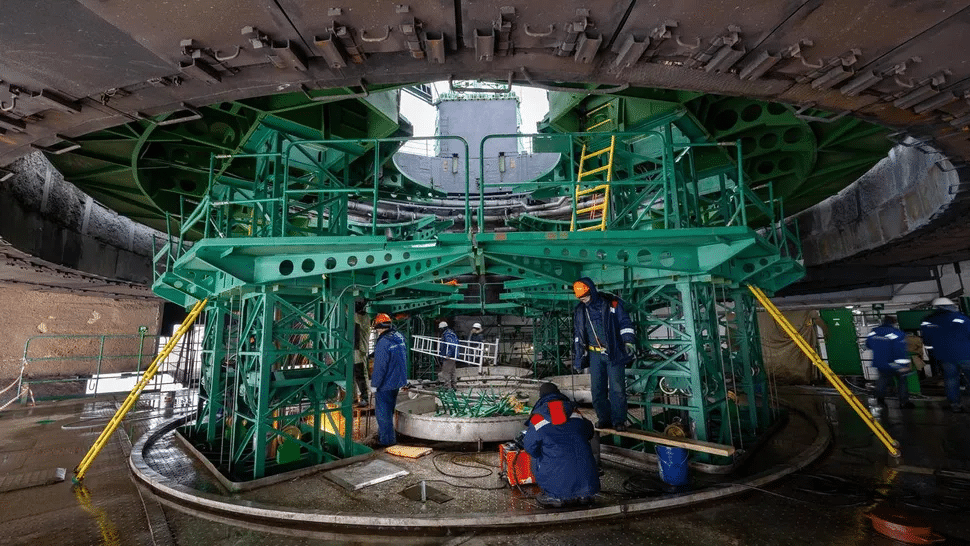
The damage’s extent required rebuilding significant sections of the pad, including structural reinforcements, electrical system replacements, and mechanical component refurbishments essential for safe rocket launches. Roscosmos highlighted the scope and intensity of the reconstruction in an official release.
“2,350 square meters [25,300 square feet] of structures were prepared and painted, all fastening units were replaced with new ones, electrical equipment was completely replaced and adjusted, inspection and maintenance of service cabin components and mechanisms were carried out, and more than 250 linear meters [820 feet] of welds were completed,” Roscosmos said in a statement, according to Interfax.
One of the most complex parts of the repair involved fitting large service cabin components exceeding 60 feet (19 meters) in length and weighing about 17 tons. These massive structures had to be installed through the pad’s firing aperture, necessitating specially developed installation techniques. This intricate work underscores the challenge of maintaining legacy launch infrastructure while ensuring readiness for continual space missions.
Site 31 Prepares to Resume Launch Activities
With the restoration finalized, Site 31 at Baikonur is set to rejoin active service. The upcoming mission planned for the repaired pad is an uncrewed Progress cargo spacecraft, named Progress MS-33, which is slated to deliver critical supplies to the International Space Station.
Scheduled for launch on March 22, this will mark the first mission from Site 31 since the November incident. Progress cargo ships play a vital role in sustaining the ISS by transporting food, fuel, equipment, and scientific materials essential for station operations.
The completion of repairs ensures Russia can continue its ISS support and crew transportation without interruption. This rapid recovery also highlights the durability of Baikonur Cosmodrome, one of the world’s oldest and most historically important spaceports.
For decades, Baikonur has been linked to landmark milestones in space exploration, from Yuri Gagarin’s historic orbit to current Soyuz missions. The recent refurbishment of Site 31 reinforces the ongoing necessity of sustaining this key infrastructure as international space collaboration persists.
- Categories:
- News







0 comments
Sign in to Comment