
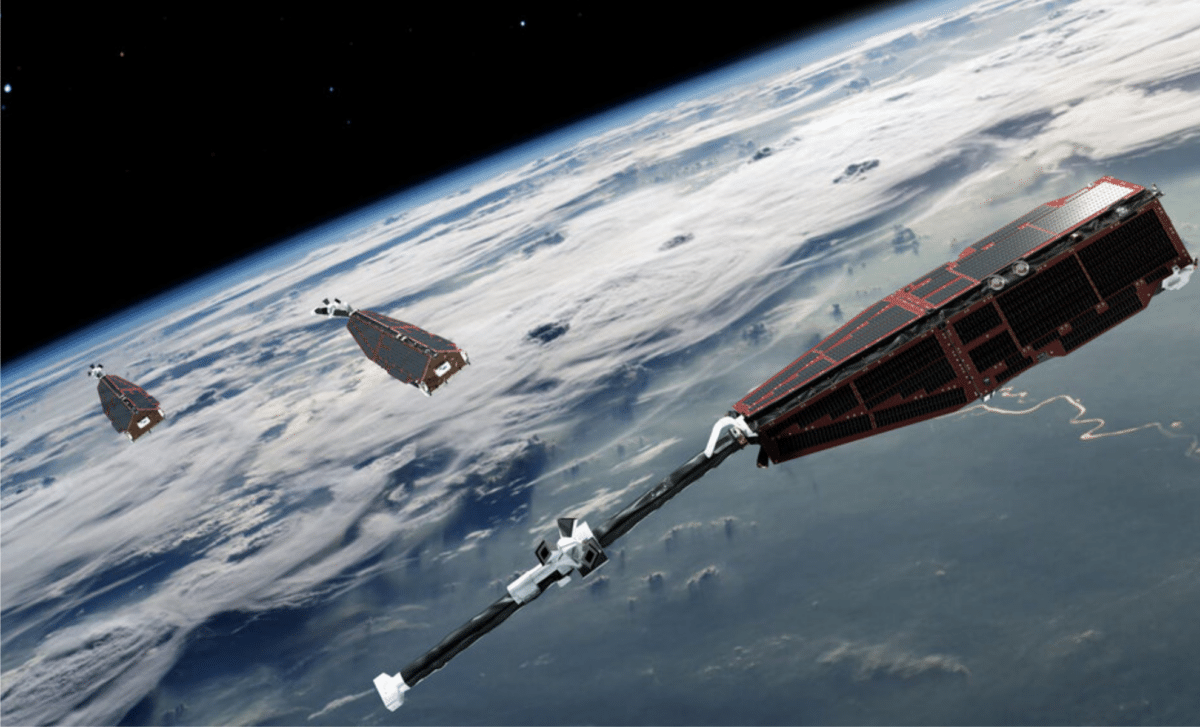
In early 2026, ESA’s CryoSat satellite, originally built to study polar ice, recorded a significant geomagnetic storm caused by an intense X-class solar flare. This breakthrough was achieved after the satellite’s magnetometer received a software enhancement, enabling it to track variations in Earth’s magnetic field with scientific accuracy. Combined with data from ESA’s Swarm mission, CryoSat’s measurements offered valuable insights into how solar storms influence Earth’s magnetosphere, showcasing a major advancement in satellite science and Earth monitoring. These findings were detailed in a recent paper in Geophysical Research Letters.
CryoSat’s Expanded Mission: Tracking Magnetic Disturbances
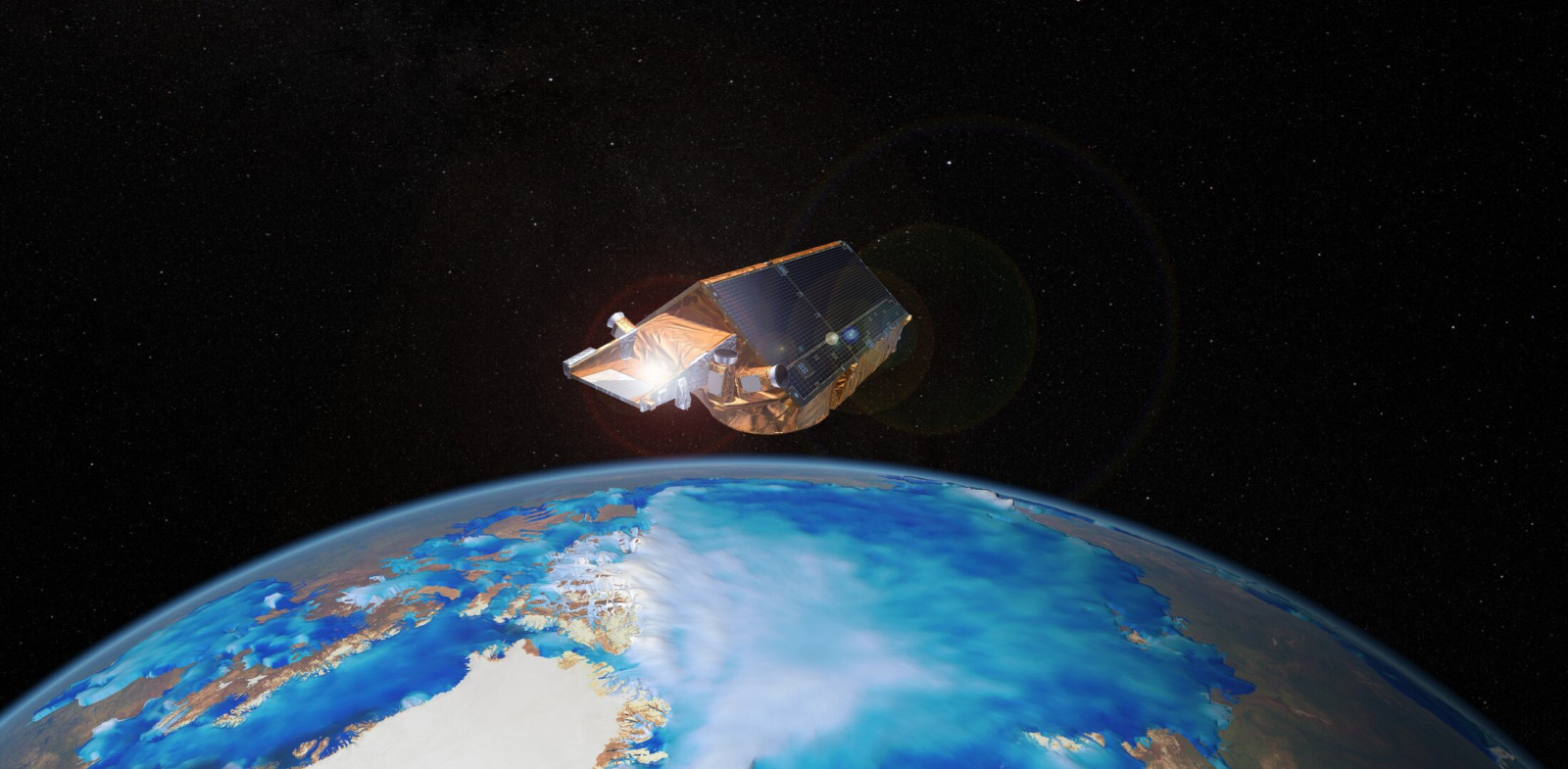
ESA’s CryoSat satellite has been instrumental in delivering precise radar data on the polar ice caps, monitoring subtle shifts in ice and sea ice thickness. Nonetheless, a recent software update has enabled CryoSat to contribute significantly to measuring the planet’s geomagnetic field, particularly disturbances generated by solar flare events.
Initially, CryoSat’s magnetometer was intended solely to maintain the satellite’s spatial orientation, ensuring stable data collection over icy terrains. In late 2025, ESA initiated a remote software upgrade that transformed the magnetometer’s role, allowing it to detect and quantify magnetic field changes in Earth’s magnetosphere. This enhancement allowed CryoSat to supplement ESA’s magnetic research efforts, joining missions like Swarm in geomagnetic observations.

Anja Stromme, ESA’s Swarm Mission Manager, described this development as a valuable gain for geophysical research. CryoSat, traditionally focused on cryospheric data, has now successfully expanded its contribution by delivering precise geomagnetic storm measurements.
Shedding Light on Geomagnetic Storm Dynamics
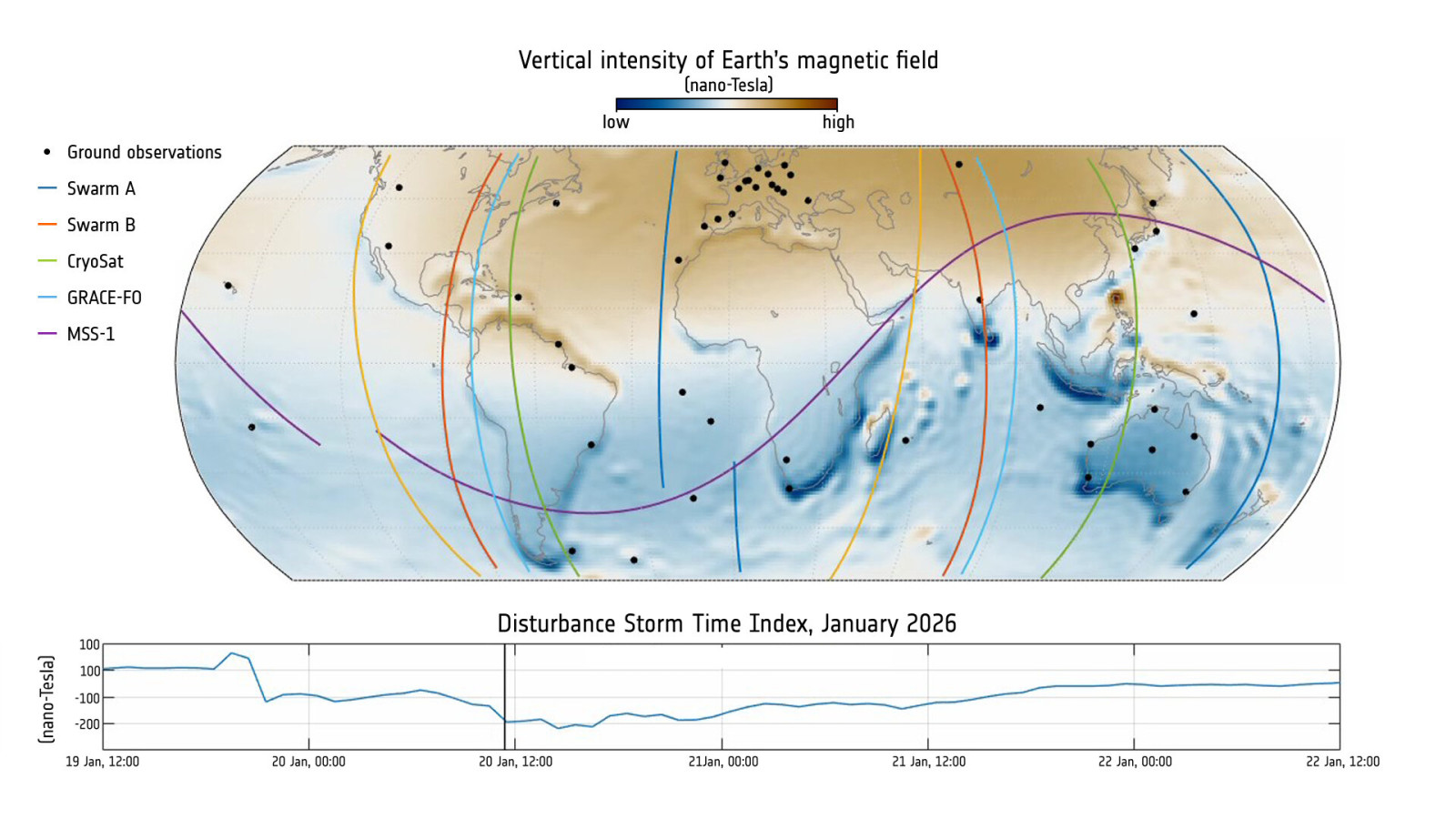
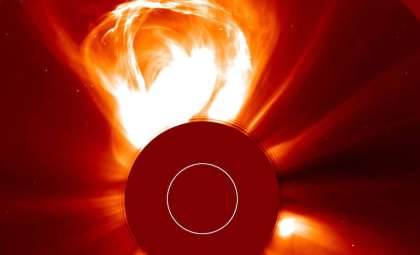
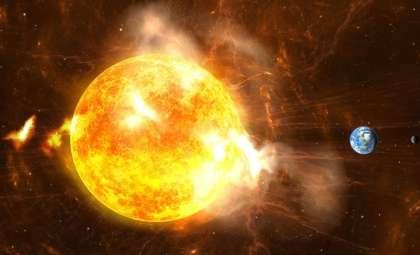
In January 2026, CryoSat’s upgraded instruments were put to a critical test during a powerful X-class solar flare event that emitted intense radiation toward Earth. This event sparked one of the strongest geomagnetic storms ever documented, producing dazzling auroral displays far beyond their usual latitudes. The storm disrupted Earth’s magnetic field to extreme levels.
The magnetometer aboard CryoSat captured these rapid magnetic fluctuations with exceptional detail, complementing the data gathered by ESA’s Swarm mission. This collaboration marked a notable achievement, demonstrating the adaptability of satellites to contribute new scientific knowledge beyond their original focus. The accomplishment was featured in a recent article in Geophysical Research Letters.
“This innovation is both unique and exciting,” said Tommaso Parrinello, ESA’s CryoSat Mission Manager. “By leveraging data from a system that’s been used for 16 years to control satellite orientation, we can now generate valuable scientific data without any additional cost.”
CryoSat’s Unexpected Scientific Impact
For close to 16 years, CryoSat’s main objective has been the observation of polar ice thickness through radar. However, after the recent software upgrade, it can now accurately document geomagnetic storm phenomena as it orbits Earth. This capability provides the research community with high-quality data that complements findings from magnetically focused missions like ESA’s Swarm.
The additional precision and low-noise measurements from CryoSat enrich the understanding of Earth’s geomagnetic environment. Researchers are employing these data to enhance models that predict how solar activity influences the magnetosphere.
“It’s about using existing systems in innovative ways,” Parrinello explained. “We’re not just measuring ice; we’re now capturing data that helps us understand the powerful forces affecting our planet’s magnetic field.”
- Categories:
- Space









0 comments
Sign in to Comment