
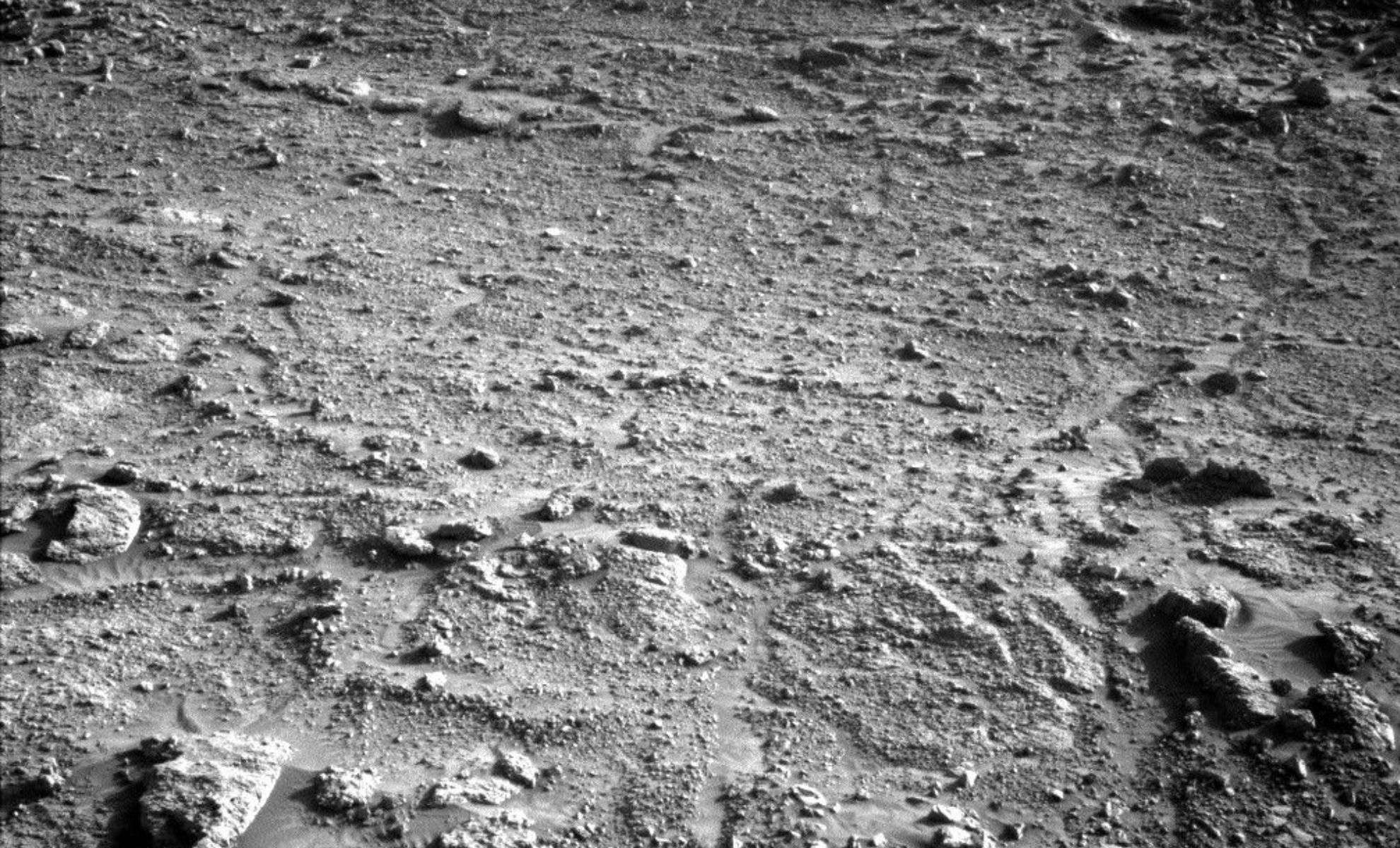
NASA’s Curiosity rover is preparing to investigate an intriguing Martian landmark named Volcán Peña Blanca, as described in a recent update on NASA’s Science portal. After nearly ten years traversing the Martian surface, the rover has now reached a position just 35 feet from the edge of this distinctive ridge located near Gale Crater. This new phase of exploration aims to capture detailed data about the planet’s geological past and present environment.
Why Volcán Peña Blanca Matters
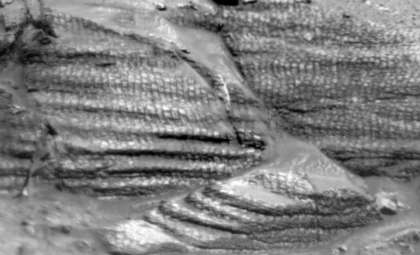
The ridge of Volcán Peña Blanca, which rises roughly three feet above the surrounding terrain, caught the attention of Curiosity’s science team following orbital observations. While satellite images provided an overview, closer shots from Curiosity have unveiled intricate details of the sedimentary layers within the ridge. These layers hold clues about how they were formed—whether by dunes, ancient waterways, or lakes—offering insights into a period when Mars might have had liquid water on its surface.
Discovering the origins of these sedimentary deposits is vital because they might indicate past environments capable of sustaining life. Decoding the formation of these rocks will enhance scientists’ understanding of Mars’ climatic history and its potential to have supported microbial organisms. Sending Curiosity to examine Volcán Peña Blanca more closely is a targeted effort to shed light on whether Mars' ancient conditions were habitable.

An In-Depth Look by Curiosity
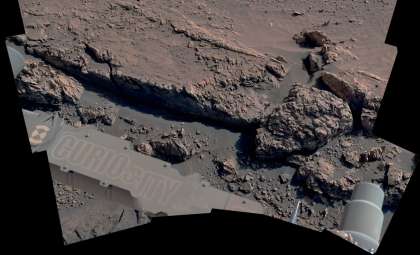
The examination of Volcán Peña Blanca will unfold in several phases. Recently, the rover was maneuvered closer to the ridge, allowing it to deploy its advanced scientific instruments such as the APXS, MAHLI, and ChemCam. These instruments analyze the rocks’ chemistry, texture, and mineral composition, helping reconstruct the story of their origin.
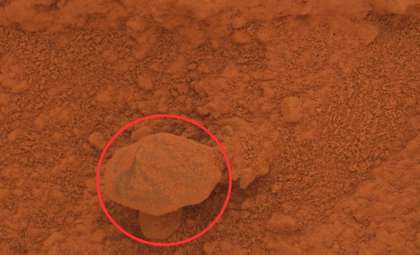
A particular focus is on a pale-hued rock dubbed Huellas de Dinosaurios (Dinosaur Footprints), a name given for its unique appearance rather than any actual dinosaur trace. This formation is a key study target, with hopes it will reveal important details about Mars' past. Alongside this, other features like the Amboro rock and Tunari pebbles will be examined for further clues about the geological evolution of this Martian region.
What's Coming Up in Curiosity’s Mission
Looking ahead, Curiosity’s team has outlined a busy schedule of scientific tasks over the next Martian days. Besides detailed analyses of Huellas de Dinosaurios and Amboro, the rover will capture high-resolution panoramic images of Volcán Peña Blanca to better document the ridge and its neighboring formations including Laguna Verde and a light-toned rock called Suruto.
The mission plan also includes producing two ChemCam Remote Micro-Imager (RMI) mosaics to study distant features in the Mishe Mokwa region. These visuals will aid researchers in placing the ridge's geology into a broader context. Additionally, environmental monitoring will continue to track changes in Mars' atmosphere and surface, enriching knowledge about the planet's current climatic dynamics.
- Categories:
- News








0 comments
Sign in to Comment