
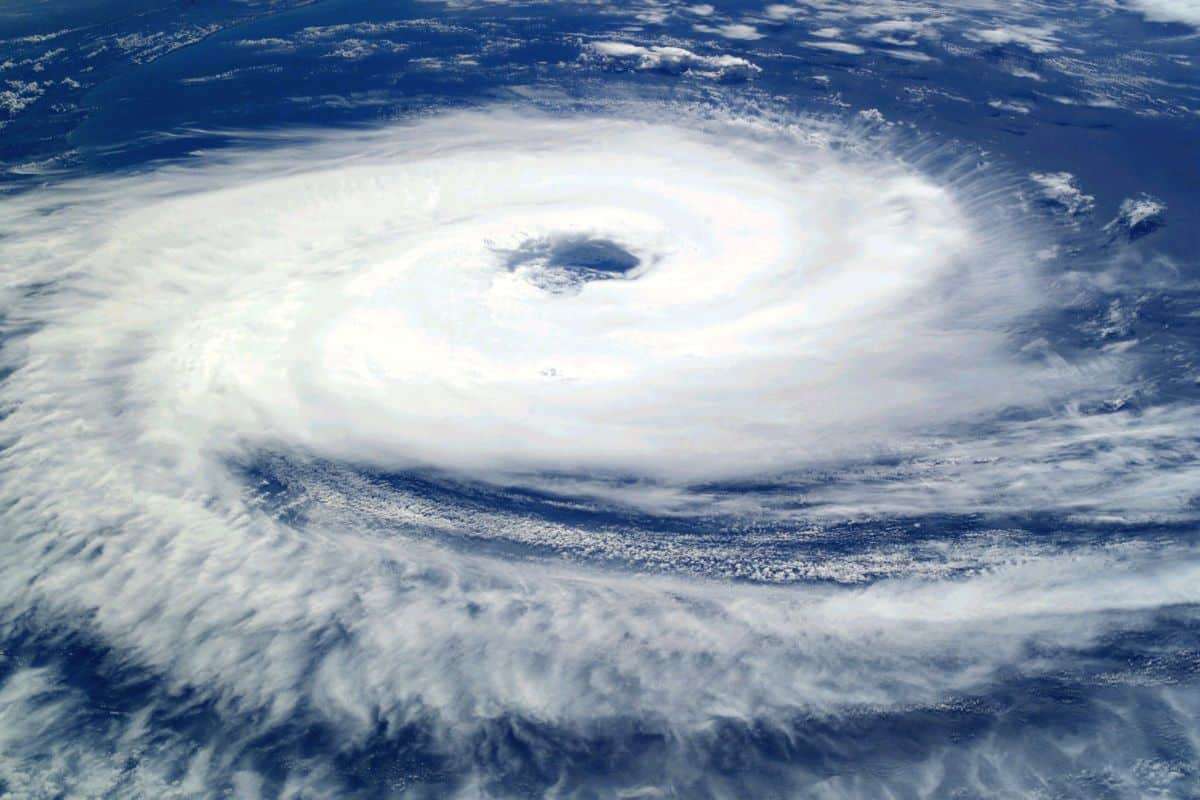
Cyclone Alfred has dramatically altered the shores along Australia’s eastern seaboard, stripping away vast amounts of sand from some of the region’s most renowned beaches. The intense waves and storm surges produced by the cyclone have sculpted sharp erosion cliffs, revealed hidden seawalls, and left coastal residents concerned about the timeline for sand to replenish.
An Intense Storm Strikes at a Critical Moment
As reported by Phys.org, Cyclone Alfred was far from typical. It lingered close to shore for almost two weeks, generating persistent, powerful waves before striking land near Mackay as a Category 4 cyclone. Prior to landfall, many beaches had already been worn down by relentless wave action.
Its inland shift coincided with one of the year’s peak tidal events, creating an ideal setting for coastal damage. This potent mix of crashing surf and elevated storm surge removed significant sections of shoreline, forming steep beachfront cliffs and destabilizing sand dunes.

Regions Most Severely Affected
Heavy erosion was mostly observed just south of the cyclone’s path, severely impacting areas across southeast Queensland and northeast New South Wales.
- Peregian Beach, near Noosa, saw up to 30 meters of sand lost, revealing deeper sediment layers.
- Along the Gold Coast, towering erosion cliffs nearly three meters high exposed seawalls constructed after storms in the 1970s.
- The storm surge surpassed the high tide mark by about 0.5 meters, eroding foredunes and even wearing away inland dunes.
On the other hand, Bribie, Moreton, and North Stradbroke Islands served as protective buffers, shielding Brisbane from more severe surge effects. However, these islands’ beaches sustained major damage, reducing their future shielding capacity.
Understanding Where the Sand Went
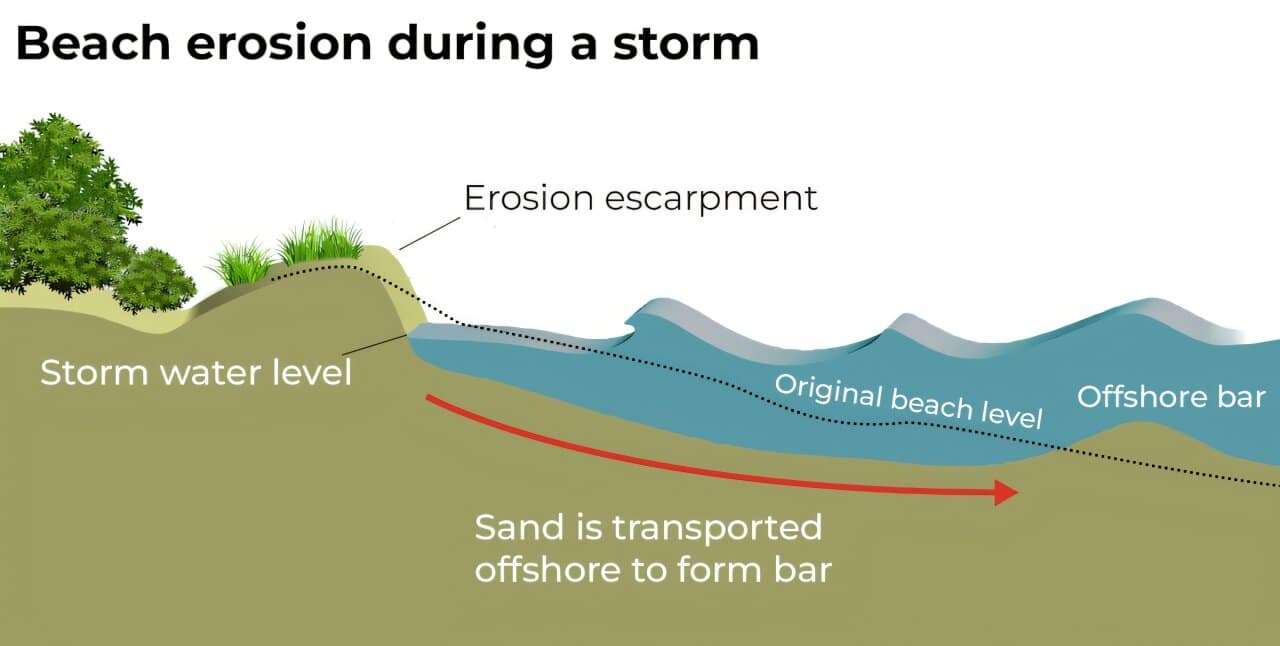
At first glance, it might appear as if immense quantities of sand vanished overnight. In truth, much of it was transported offshore, reshaping underwater sandbars.
This is a natural phenomenon. Strong waves erode the beach sand, carrying it underwater where it forms sandbars that help dissipate wave energy farther from shore. Gradually, calmer wave conditions can return this sand to the coastline, helping beaches regenerate.
That said, the recovery is not assured. Some sand may have been carried into deep ocean waters or displaced by longshore currents, meaning it might take several years to return—or it might be lost permanently.
Projecting the Road to Recovery
While beaches often begin to restore naturally within a few months, dunes take considerably longer to recover. Without proper care, it could take years for native vegetation to regrow and stabilize these fragile systems.
Although nature plays a primary role in healing the coastline, human intervention might be necessary at certain locations. Techniques such as beach nourishment—adding sand back to eroded zones—can accelerate restoration. Additional methods include building seawalls or revetments, but these may exacerbate erosion in adjacent areas.
Experts stress the need to safeguard dune environments by minimizing foot traffic, avoiding damage, and encouraging natural vegetation regrowth.
- Categories:
- Climate change











0 comments
Sign in to Comment