
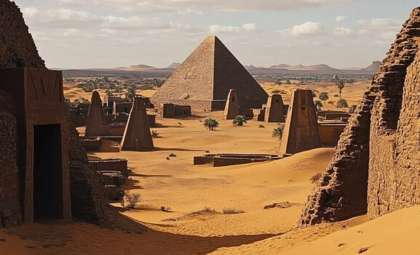
Widely held beliefs about booby traps in Egyptian pyramids have been challenged by experts. Contrary to popular media stories, Egyptologists clarify that while ancient Egyptians did not install mechanical traps inside pyramids, they employed strategic methods to guard royal tombs against robbers. These monumental structures served as the pharaohs' final resting places, designed foremost to secure the deceased and their treasures.
This misconception persists largely due to films and games that dramatize tombs with elaborate contraptions. However, as reported by Live Science, the authentically effective measures were straightforward: massive stone blocks, sealed passageways, and strict penalties for grave robbers.
The Viewpoint of Egyptologists
Experts are unequivocal on this matter. Reg Clark, a respected Egyptologist, told Live Science that, “They did not install traps in the pyramids, but accessing them was incredibly difficult.” Similarly, Rolf Krauss emphasized that “booby traps are essentially nonexistent in Egyptological records,” also highlighting their limited effectiveness against coordinated tomb robbers.

Since tomb raiders operated collectively, a single triggered trap would rarely stop an entire group. Instead, pyramid builders focused on delaying and hindering intruders through architectural challenges and blocked entryways.
The Pyramid Itself Was the Deterrent
Clark explains in his work Securing Eternity: Ancient Egyptian Tomb Protection from Prehistory to the Pyramids that pyramids replaced earlier mastaba tombs — simple, flat-roofed structures with sloped walls — as a means to enhance security for royal burials.
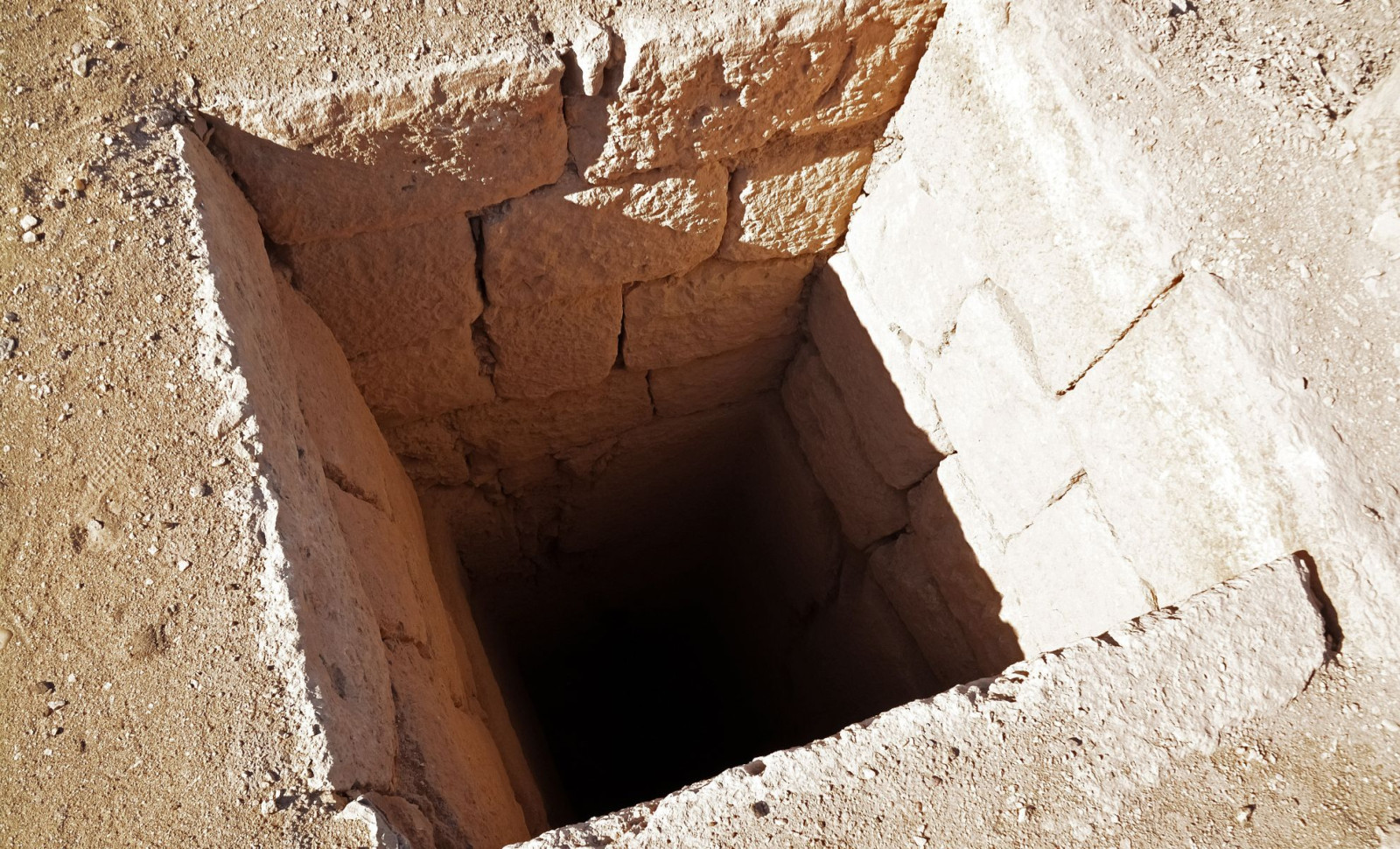
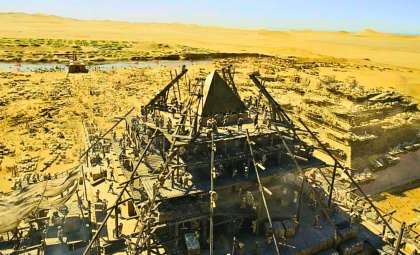
The pyramids presented a formidable defense because thieves had to tunnel deep beneath one of the largest stone constructions to reach the burial chamber. Clark noted:
“The sheer mass and nature of the resistant materials that comprised the pyramid’s superstructure provided a high level of protection.”
Gigantic stone blocks were a far more effective safeguard than dramatic mechanical traps. After interment, routes into the tomb were sealed, adding additional security layers. Some corridors in the Great Pyramid lead nowhere, though their purpose—whether intended to mislead intruders—remains uncertain.
Why Sealed Chambers Intimidated Tomb Raiders More Than Traps
While pyramids could be perilous inside, dangers arose from architectural features rather than traps. David Ian Lightbody informed Live Science that sealed passages, moving stone slabs, and unstable shafts posed real threats. A case in point occurred during the 1950s excavation of Sekhemkhet’s pyramid at Saqqara, where a collapsed shaft resulted in casualties.
The Egyptians also employed Pyramid Texts—magical inscriptions designed to protect the pharaoh in the afterlife. Additionally, grave robbers faced harsh punishments; a 20th dynasty text described cruel penalties, such as mutilation followed by impalement.
Despite precautions, many pyramids, including Khufu’s Great Pyramid, suffered looting. This vulnerability partially motivated later rulers to choose the Valley of the Kings for burials, though thefts persisted there as well.
- Categories:
- Science







0 comments
Sign in to Comment