
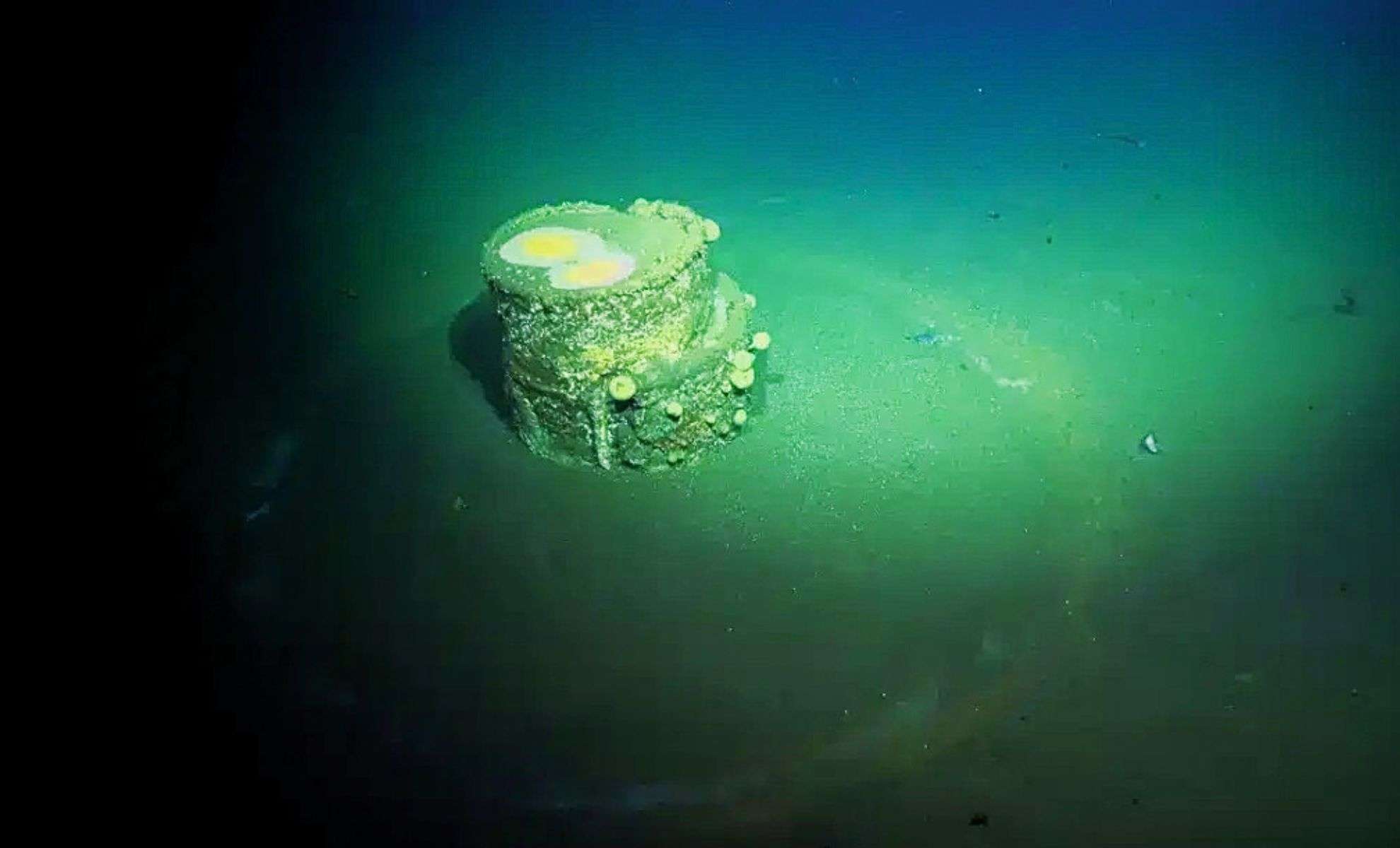
For over fifty years, the seabed near Los Angeles has concealed a troubling environmental enigma: thousands of corroding barrels left on the ocean floor during the middle of the 20th century. Previously thought to contain only the banned pesticide DDT, these submerged containers are stirring fresh alarm among scientists and conservation groups.
A groundbreaking study featured in PNAS Nexus, conducted by teams from the Scripps Institution of Oceanography and the Schmidt Ocean Institute, unveils a surprising discovery. While DDT residues are indeed present, the greater environmental danger comes from alkaline industrial wastes within these barrels, which are causing severe chemical reactions that disrupt marine life and transform the ocean floor.
From the 1930s through the 1970s, corporations like Montrose Chemical Corporation—once America’s largest DDT manufacturer—disposed of chemical waste directly into the Pacific, taking advantage of lax environmental laws. The Los Angeles Times revealed that dumping could have reached as many as 2,000 barrels per month for 14 years. To date, seafloor surveys indicate over 27,000 barrels scattered primarily between Santa Catalina Island and the Californian shore.

Unexpected Chemical Signatures Uncovered
Previously, contamination concerns focused on DDT, given its banned status since 1972 and links to cancer, infertility, and wildlife collapse. However, sediment analyses during expeditions in 2021-2022 revealed a puzzling pattern.
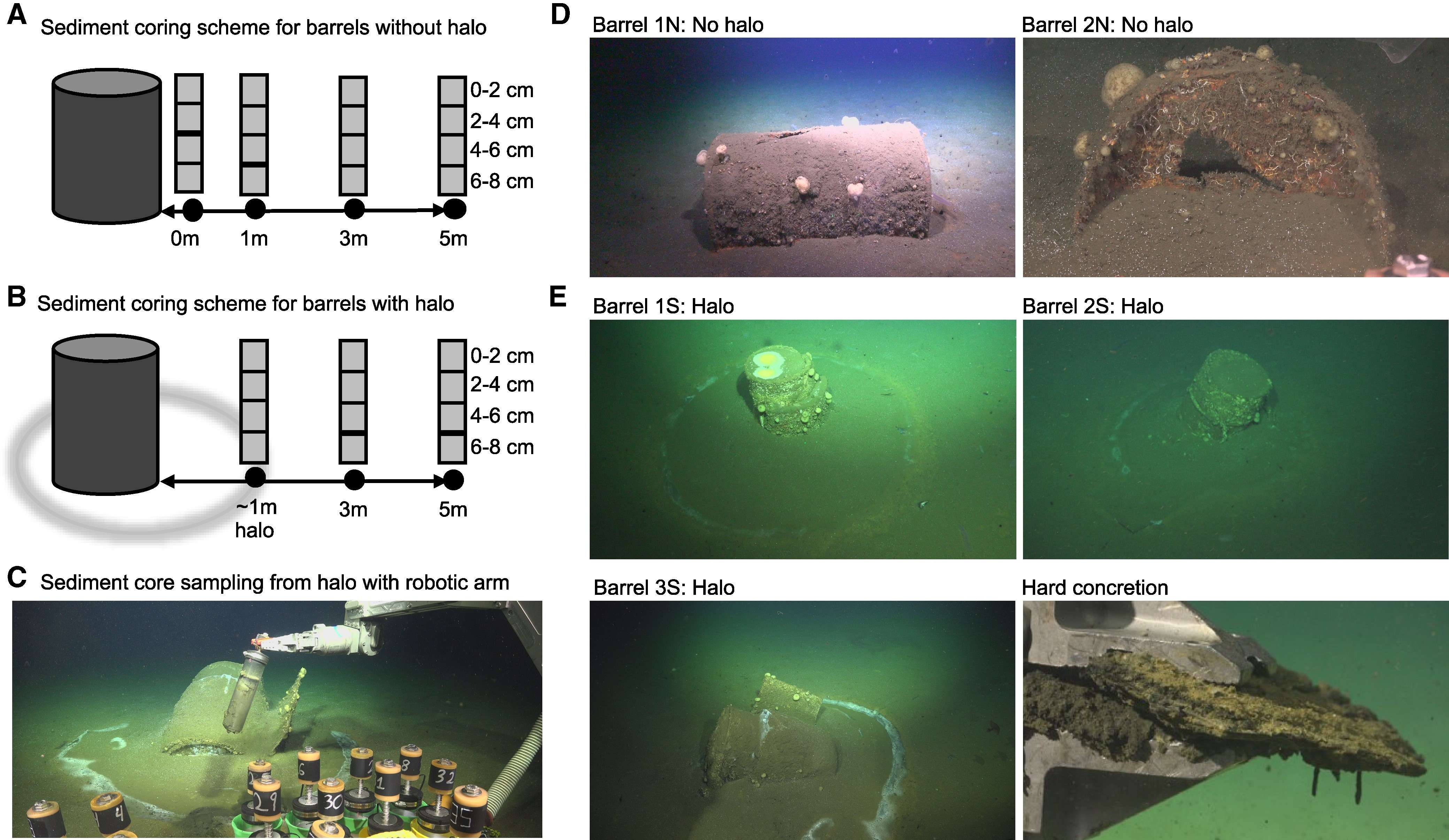
Despite the halo-like discolorations surrounding barrels, measured DDT levels in adjacent sediments were surprisingly low. Instead, researchers recorded highly alkaline conditions with pH values near 12, characteristic of highly caustic industrial compounds rather than pesticide contamination.
These substances react strongly with seawater, fostering the creation of brucite, a magnesium mineral common in cement. This chemical action has slowly solidified portions of the seafloor into chalky, hardened patches, with abundant calcium carbonate deposits. This transformation extends beyond surface changes, profoundly affecting habitat quality.
Marine Life Impacted by Subtle Chemical Changes
Paul Jensen, a marine microbiologist at Scripps and co-author, observed a sharp decline in microbial ecosystem diversity near these barrels. Only hardy extremophile microorganisms, which thrive in harsh, alkaline conditions like those at hydrothermal vents, remain active in these zones.
“We’re seeing long-term disruption of the natural microbiome,” Jensen explained. “It’s not just chemical contamination; it’s ecological transformation.”
This shift jeopardizes not just local benthic communities but also vital biogeochemical processes essential for overall ocean health. Microbial populations regulate nutrient cycling and organic matter breakdown, influencing carbon sequestration and marine food webs.
Importantly, these alkaline wastes do not appear to dilute or disperse over time. Unlike organic toxicants like DDT, these compounds retain high concentrations for decades, ongoingly altering the local chemistry.
Identifying a Regulatory Gap and Pushing for Change
Lead author Dr. Johanna Gutleben emphasizes that such alkaline wastes have been largely overlooked in past marine pollution evaluations. Regulatory efforts have traditionally targeted persistent organic toxins like DDT and PCBs, but this findings suggest a different form of long-lasting hazard.
The results expose a significant gap in environmental oversight regarding waste once considered low risk, which under some marine conditions can drastically alter ecosystems — a risk not anticipated by mid-century industrial disposal standards.
Ongoing projects aim to expand detailed mapping and chemical analysis of these submerged barrels. Pressure is mounting on agencies to widen monitoring programs, especially in historical dumping hotspots along coastlines.
Advanced Technology Sheds Light on Deep-Sea Threats
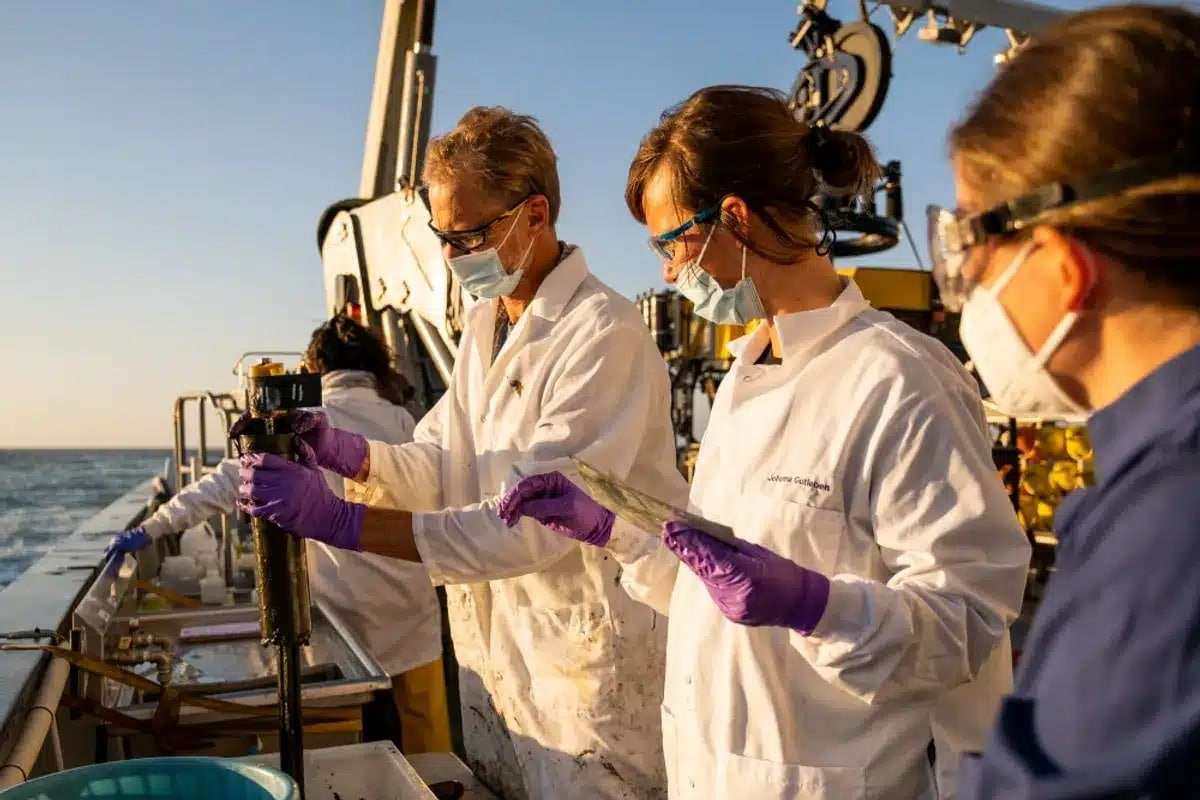
Cutting-edge research equipment proved crucial. The SuBastian remotely operated vehicle (ROV), run by the Schmidt Ocean Institute, enabled precise imaging and sediment extraction at depths exceeding 900 meters, unreachable by divers or older technology.
As techniques such as autonomous underwater vehicles and enhanced pH sensing gain traction, experts anticipate similar discoveries worldwide, including elsewhere off U.S. shores. Given the widespread mid-20th-century practice of ocean waste dumping, the true extent of hidden chemical hazards is likely much greater than currently recognized.
- Categories:
- News





0 comments
Sign in to Comment