
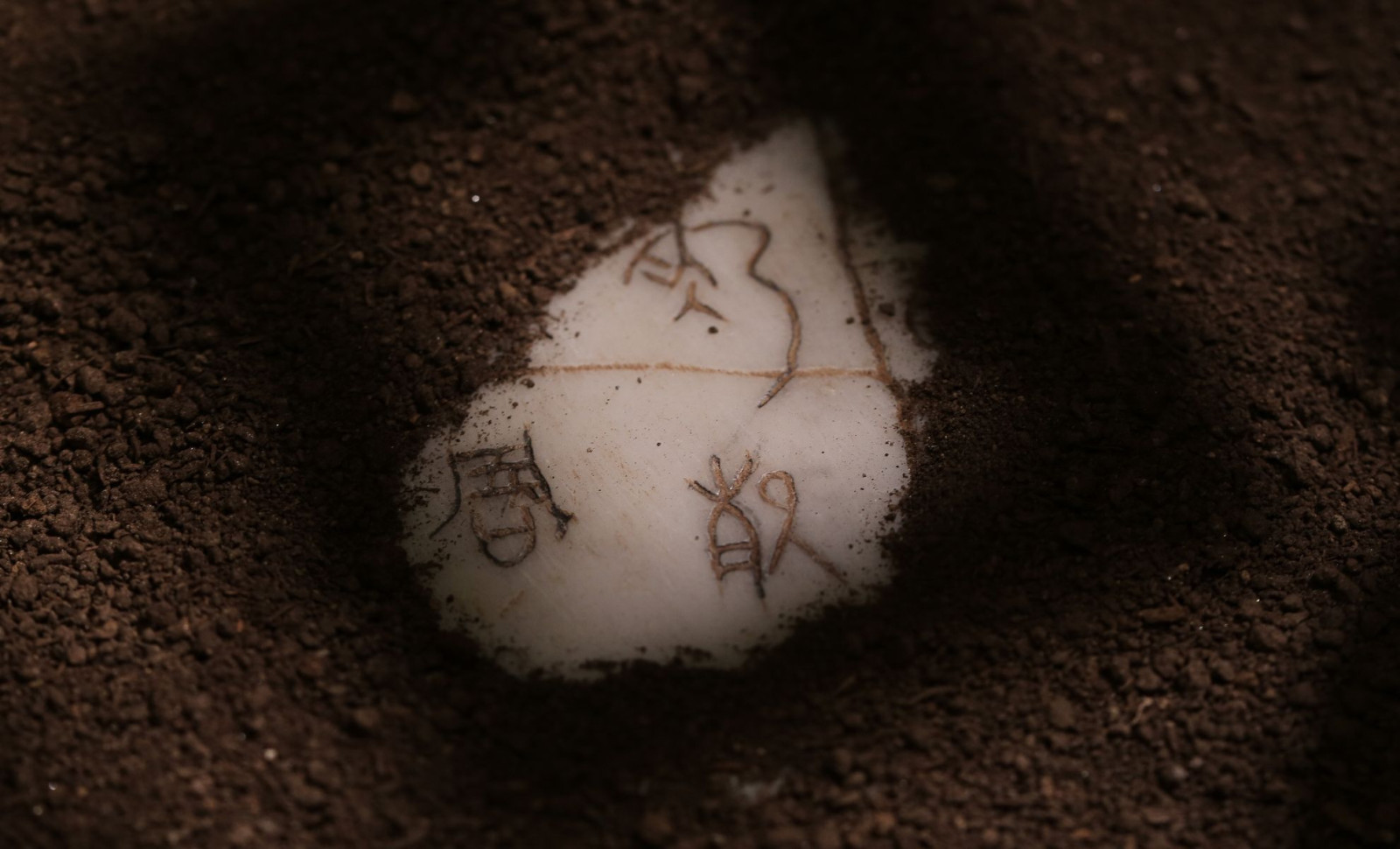
Ancient oracle bones are revealing new insights into the past. By merging these 3,000-year-old engravings with advanced climate modeling, researchers suggest that intense typhoons could have significantly influenced the downfall of the Shang dynasty.
This unexpected finding highlights how texts originally crafted for divination are now instrumental in mapping prehistoric weather events. This interdisciplinary approach intertwines archaeology, artificial intelligence, and climate research, shedding light on how natural forces, beyond just human conflict or politics, shaped early Chinese civilization.
Unearthing a Past Water Crisis Through Ancient Script
The investigation examined over 55,000 inscriptions etched onto turtle plastrons and animal bones. Many of these writings reference rainfall and flooding, suggesting that ancient communities faced persistent environmental challenges.

A publication in Science Advances reports that residents of the Central Plains expressed deep concern over heavy precipitation. The authors note that these oracle bone texts clearly reflect environmental strain, with frequent mentions of how rain influenced everyday life and major societal choices.
Revealing Past Inland Typhoon Surges Through Climate Models
Researchers employed AI-driven techniques alongside physics-based climate simulations to reconstruct historical weather patterns. Their results correspond closely with the inscriptions, indicating increased typhoon frequency between 1850 and 1350 B.C.E.
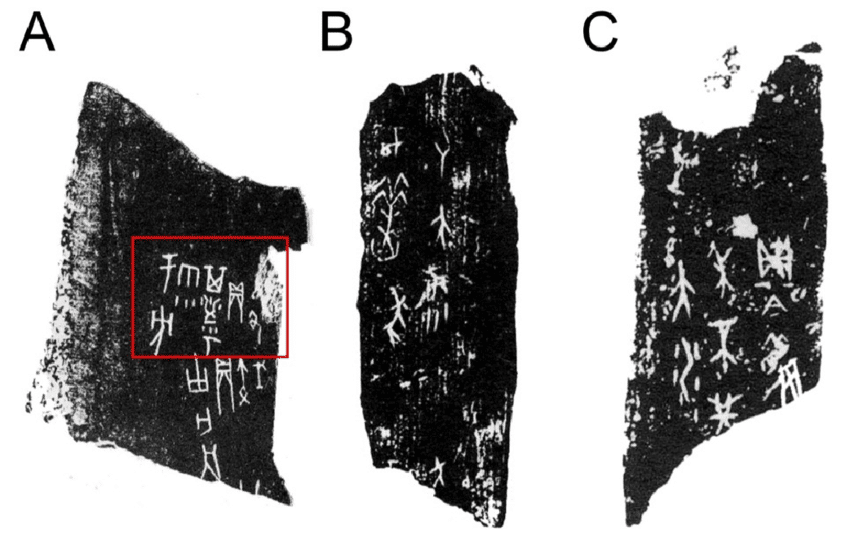
The study explains that heightened typhoon occurrences “posed severe threats to human survival and cultural progress at multiple sites.” These storms likely penetrated further inland than usual, triggering flooding in typically less-affected regions. The authors comment that:
“We found that intensified typhoon activities exerted considerable impacts on climate extremes and social change in inland China.”
Flooding Drives Population Shifts
The consequences extended beyond ecology. Population declines and relocation patterns emerged in the same timeframe.
The Chengdu Plain’s Shu kingdom exhibits parallels; a surge in storm activity from 850 to 500 B.C.E. coincides with evidence of communities moving to elevated terrain to avoid floods. The study further states:
“What stood out here was intensified typhoon activities.” The authors added: “Intensified typhoon activities exerted unexpected disastrous influences in inland China during the Bronze Age.”
Overall, these findings emphasize that ancient societies navigated not just political upheavals but also adapted, sometimes drastically, to environmental changes brought on by climate variability.
- Categories:
- Science












0 comments
Sign in to Comment