
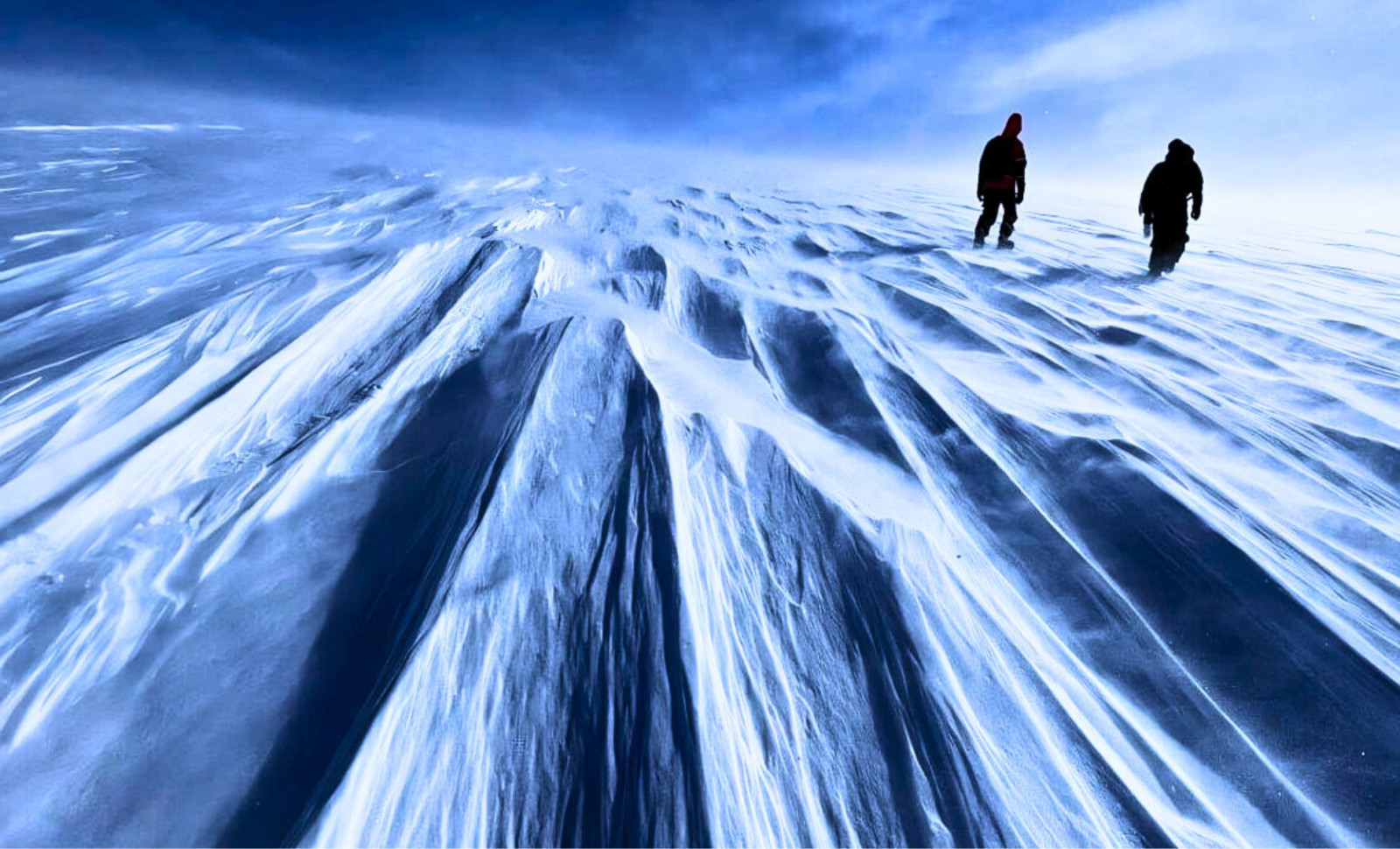
Viewed from space, Greenland often appears as an uninterrupted white landscape, a vast frozen barrier spanning its territory. The northwestern region, less examined than its southern and western counterparts, has traditionally been considered stable. Its remote ice plateaus and domes have rarely been a focus of intense glaciological scrutiny.
Recent discoveries are challenging this perspective. Beneath one such dome, sediment cores have uncovered evidence of a previously unknown history of ice retreat. The Prudhoe Dome, although modest in size compared to central Greenland’s ice masses, may have undergone complete deglaciation during the early Holocene—a warm era following the last Ice Age. This revelation, while not without precedent, carries new urgency amid today’s accelerating climate shifts.
The last similar warming phase, the Holocene Thermal Maximum, unfolded over thousands of years through natural climatic cycles. Temperatures rose moderately, prompting ice loss over millennia. In contrast, current warming trends, driven by human activities, may push temperatures to comparable levels within mere decades. Although the underlying physical processes may be alike, the speed of change is unprecedented.

Discoveries Beneath the Ice Sheet
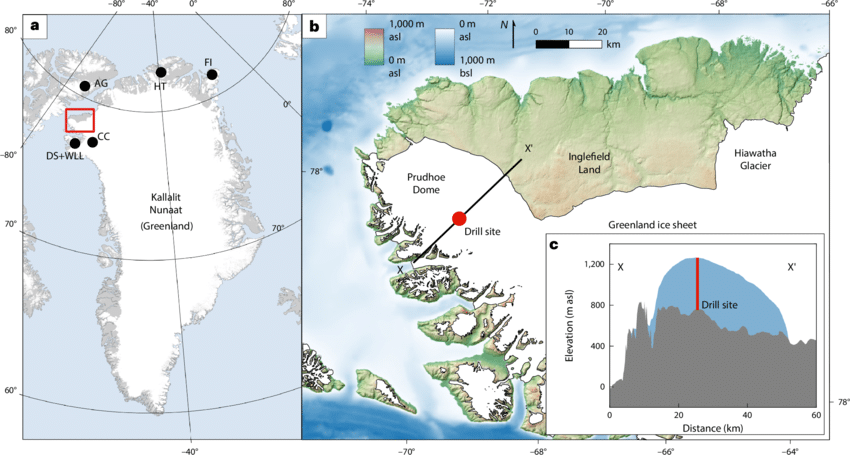
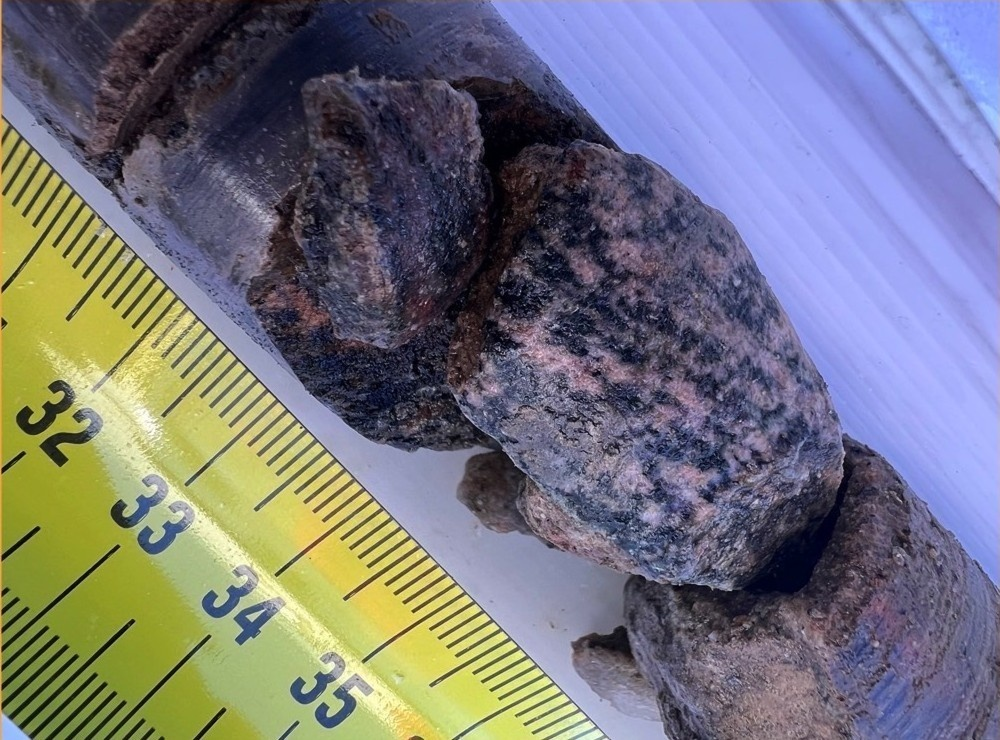
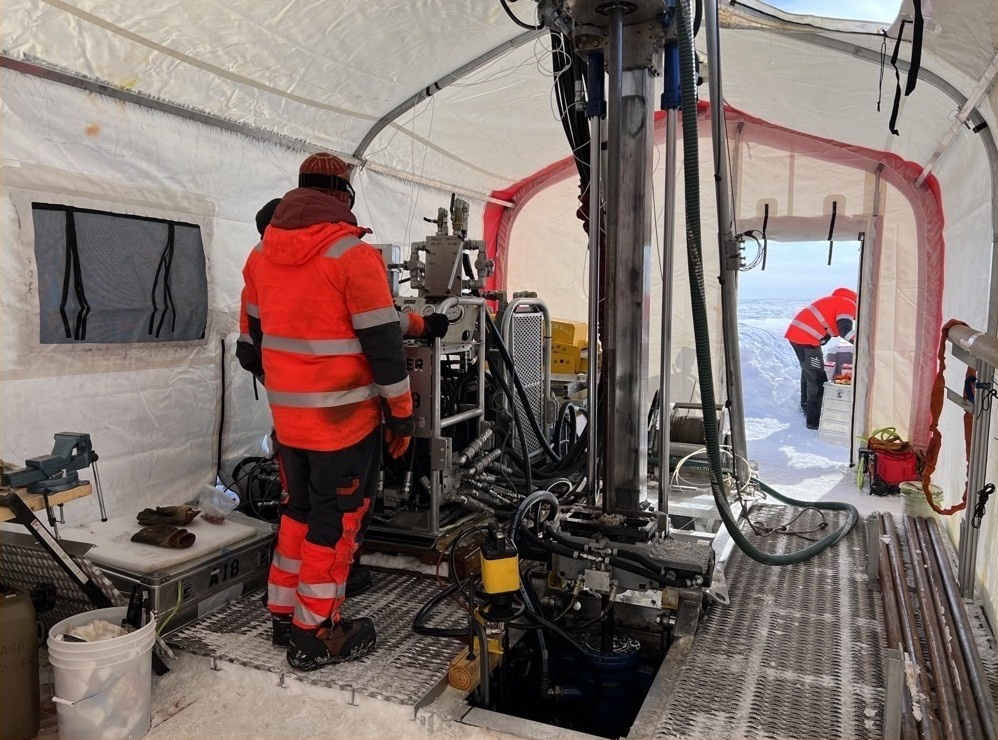
According to a study published in Nature Geoscience, the Prudhoe Dome in northwest Greenland was completely free of ice approximately 7,000 years ago. This conclusion stems from core samples retrieved 508 meters beneath the surface through the GreenDrill initiative, spearheaded by researchers at the University at Buffalo.
Utilizing optically stimulated luminescence (OSL) dating on mineral grains embedded below the ice, scientists determined the last exposure of these sediments to sunlight, effectively dating the ice-free intervals. The evidence confirms total deglaciation of the dome during the early Holocene, a period when the Arctic experienced temperatures 3°C to 5°C above pre-industrial norms.
Importantly, this ice loss unfolded without the influence of human industrial activity, reflecting natural climate variability. This suggests that if past moderate warming was sufficient to eliminate the ice dome, the rapid temperature rise seen today could potentially replicate such effects much sooner.
Co-author Jason Briner emphasizes that the early Holocene’s moderate heating was enough to dismantle the Prudhoe Dome, implying that current warming trends might only require time to reach a similar outcome. These conclusions come from meticulous sediment sampling beneath the ice, as detailed in the peer-reviewed report on Holocene deglaciation in this part of Greenland.
Implications for Sea Levels and Human Populations
Though not among Greenland's largest glaciers, the Prudhoe Dome’s complete melting could substantially influence global sea levels, potentially adding up to 73 centimeters. This estimate aligns with figures used in extant climate risk assessments.
According to the Copernicus Climate Change Service, every centimeter of sea-level rise places approximately six million individuals at heightened risk from coastal inundation. Applying this metric, the loss of the Prudhoe Dome alone could affect over 400 million people worldwide. The greatest impacts would be felt in vulnerable low-lying nations, densely populated coastal cities, and fertile delta regions.
The Arctic’s warming rate is nearly quadruple the global average, spotlighting glaciers once considered marginal in their broader climate impact. As more studies investigate localized ice formations, it is becoming evident that cumulative regional ice losses might not yet be fully represented in large-scale climate models.
Prudhoe Dome’s history of melting is echoed elsewhere. Recent reporting has highlighted previous collapses of the dome, illustrating its unexpected vulnerability to warming. Comparable findings from other northwest Greenland sites, informed by publications in Science and data from the NASA National Snow and Ice Data Center, reinforce the concept of a historically dynamic and climate-sensitive ice margin region.
Analytical Techniques and Corroborative Evidence
The team employed OSL dating on quartz and feldspar grains extracted from subglacial sediment layers—a method trusted in geochronological studies where radiocarbon dating is unsuitable. Cross-validation with ice core data and temperature reconstructions bolstered the accuracy of their timeline.
These sediments lacked any indications of ice coverage at the time they were deposited, substantiating the interpretation that the Prudhoe Dome had been fully absent during this ancient interval. This was not a mere thinning or partial retreat, but a complete disappearance, after which the ice slowly re-accumulated through subsequent snowfall and glacier formation.
These findings add to an expanding body of research suggesting Greenland’s ice sheet margins have been more reactive to minor warming episodes than previously recognized.
Moving forward, scientists aim to determine the speed of the Holocene melt event and investigate whether feedback processes accelerated the ice loss. Understanding these rates is critical: a gradual retreat might signal resilience, while rapid melting could point to the operation of tipping points.
- Categories:
- Science











0 comments
Sign in to Comment