
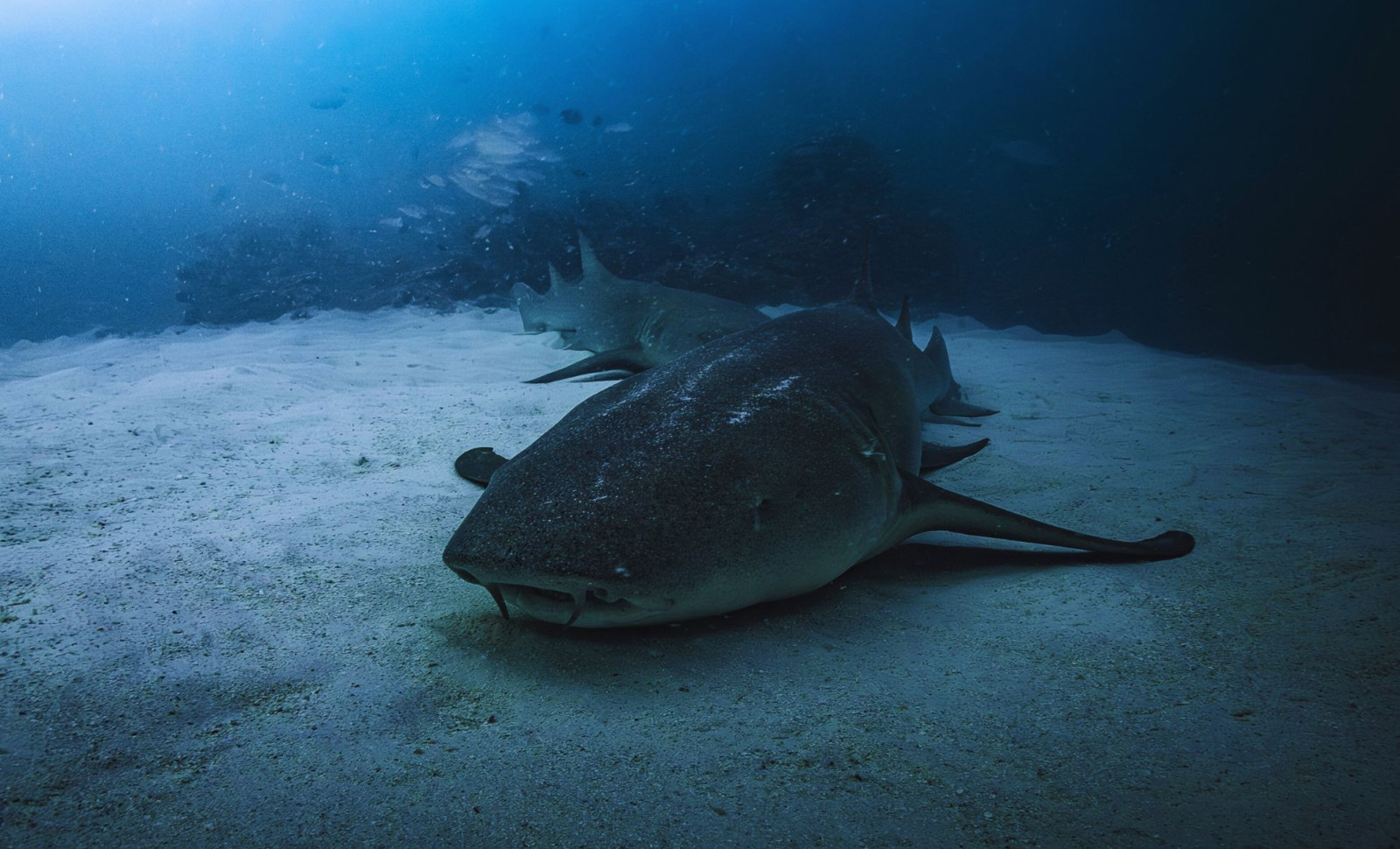
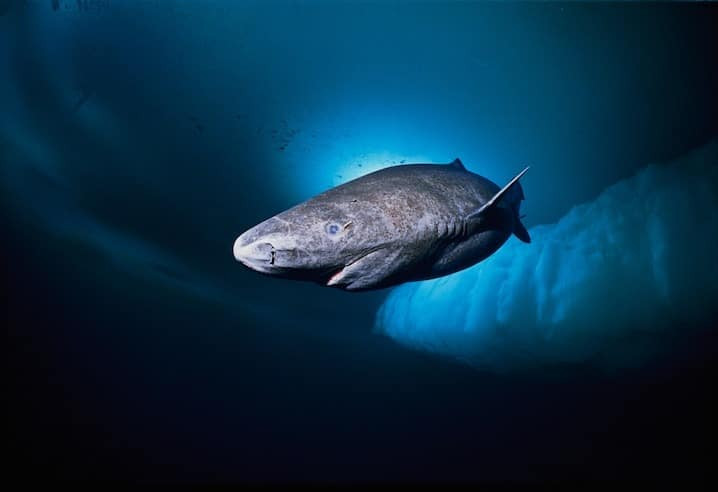
Residing in the frigid Arctic depths, the Greenland shark boasts an extraordinary lifespan that can stretch up to 400 years, setting a vertebrate longevity record. Recent breakthroughs in decoding its genome have uncovered surprising genetic factors that might revolutionize our understanding of aging.
The Greenland shark (Somniosus microcephalus) dwells quietly in the North Atlantic and Arctic Oceans. Growing slowly—just about a centimeter each year—it can reach lengths of six meters and remains rarely seen in its natural environment. This mystery deep-sea dweller captured worldwide scientific interest when a 2016 study estimated its lifespan could exceed four centuries, making it the oldest vertebrate known to science.
Century-Long Maturity and Centuries of Life
This shark species takes nearly a century to become sexually mature, a phenomenon that has confounded marine biologists for some time. Even after maturation, it continues to grow at an extremely slow rate throughout its lifespan. A specimen documented in the Arctic was estimated to have originated in the year 1627, according to Science.

Inspired by these findings, a German research group led by Dr. Steve Hoffman from the Leibniz Institute on Aging undertook a large-scale project to map the shark’s genome. By late 2024, they had successfully sequenced 92% of its DNA. Their aim was to decode the biological secrets behind this shark's slow aging process and explore potential applications for human longevity studies.
Genome Rich in Mobile DNA Elements
In examining the genome, scientists discovered that about 70% is comprised of transposable elements, commonly known as "jumping genes"—segments of DNA that can change positions within the genome. While these are often harmful in other species, linked to mutations and cancer, the Greenland shark may have harnessed them to facilitate DNA repair.
This distinctive genetic setup might enhance genome stability over centuries rather than damaging it. Furthermore, the Greenland shark's genome is larger than any other shark sequenced, which could contribute to its exceptional durability.
“Only with the genome assembly we can really understand which, for instance, mutations have accumulated in the shark that led to this enormous lifespan,” said Dr. Hoffman, “To this end, this genome is some kind of a tool, if you will, that allows us, and of course also other researchers, to look into these molecular mechanisms of longevity.”
Dr. Arne Sahm, who co-authored the study published on bioRxiv, highlighted that insights gained from the Greenland shark could eventually pave the way for safer and slower human aging.
New Horizons for Aging Science
Though vastly different from humans, the Greenland shark’s biology is sparking curiosity in longevity research fields. Futura-Sciences quoted aging specialist Dr. Vera Gorbunova, who believes the genetic data might lead to therapies improving DNA repair mechanisms in humans.
“Evolution doesn’t always choose the same path. So if, let’s say, the goal is to have better DNA repair, but it can be achieved by multiple mechanisms, and the mechanisms are different in mole rats and whales and sharks, we need to learn about all of them and then see which ones we can maybe more easily adapt for human use,” she said.
Ongoing research is investigating how these remarkable genetic adaptations could translate into human anti-aging therapies. Although still in early stages, this ancient shark’s remarkable resilience against aging and illness continues to captivate scientists worldwide.
- Categories:
- Science










0 comments
Sign in to Comment