
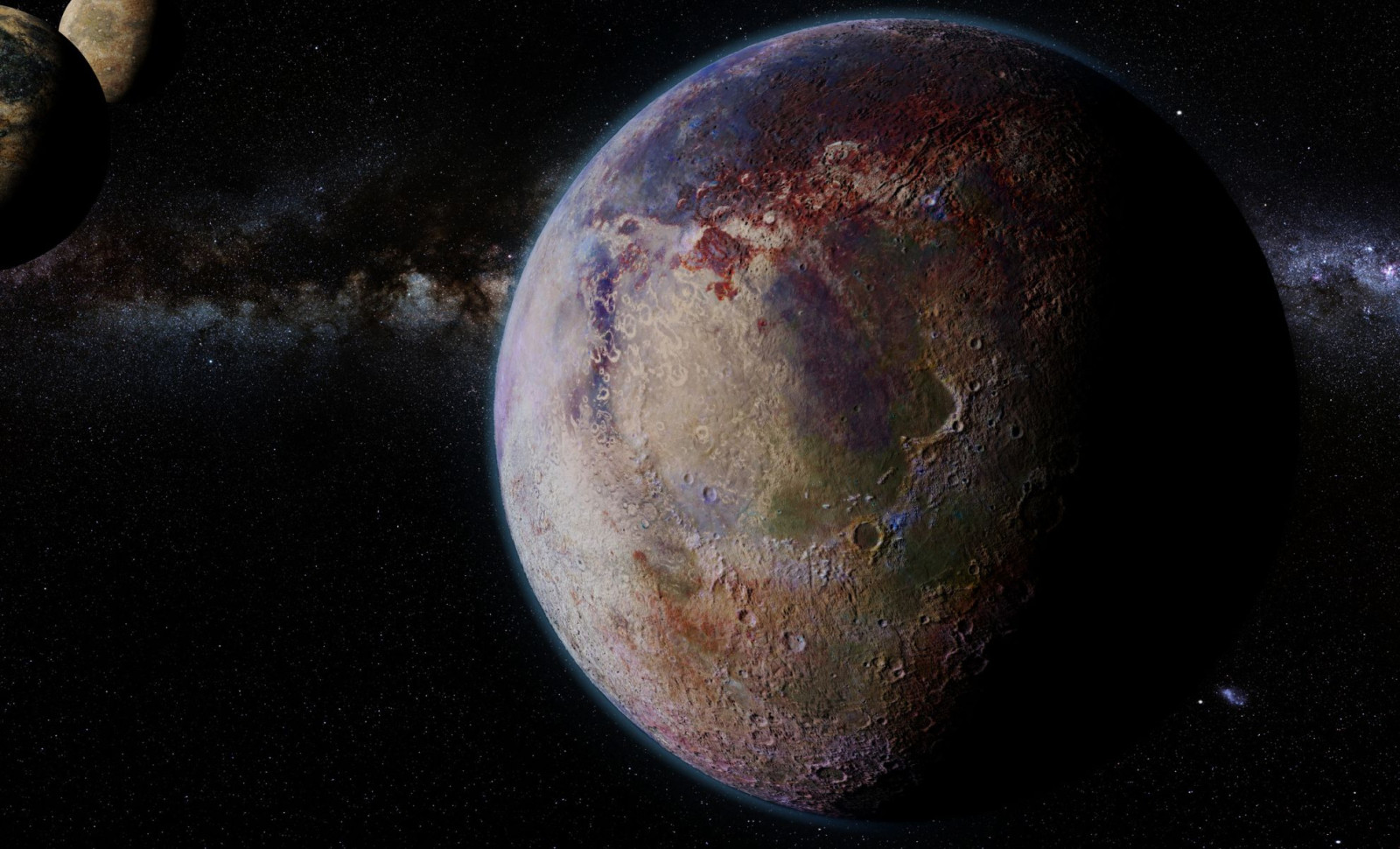
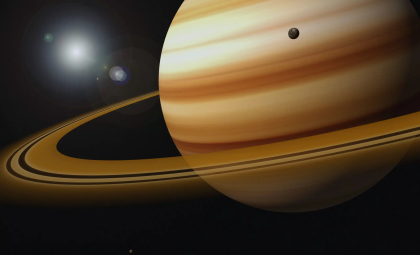
Scientists from the United States and United Kingdom have proposed an innovative technique to identify exomoons by observing faint bursts of reflected light during lunar eclipses around distant planets. This approach, tailored for NASA’s upcoming Habitable Worlds Observatory (HWO), offers the possibility of spotting Earth-sized moons orbiting gas giants as far as 39 light-years from Earth.
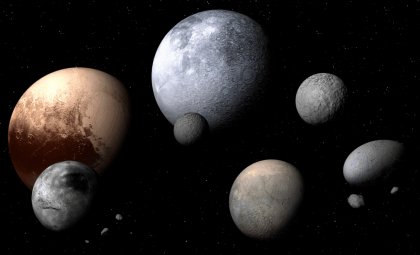
While thousands of exoplanets have been confirmed, the hunt for moons beyond our solar system lags behind. Despite over 6,000 exoplanets catalogued, no exomoons have been officially confirmed yet. Given our solar system contains almost 900 moons, many circling massive planets, similar satellites might be widespread elsewhere.
Tracking Reflections to Uncover Moons
A detailed analysis published on arXiv reveals how simulations suggest that the HWO could use reflected light to detect Earth-like moons.

“HWO’s primary mission is to search for signatures of life on planets orbiting other stars. To achieve this, HWO will need to observe many nearby star systems, sometimes for several days at a time,” explained Mary Anne Limbach of the University of Michigan.
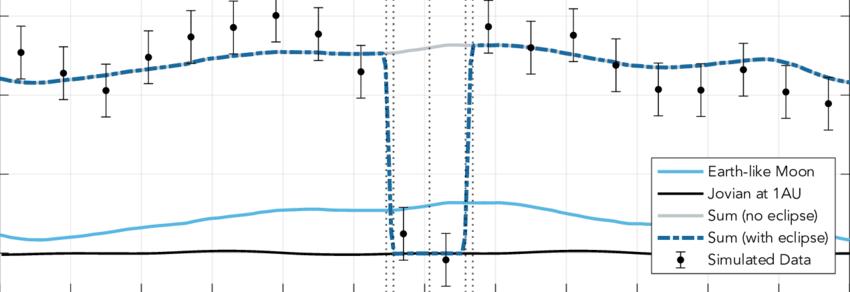
The principle involves detecting starlight reflected from the day side of an exoplanet. If an Earth-sized moon moves behind its host gas giant — undergoing a kind of lunar eclipse — some reflected light should pass through or bounce off the moon’s atmosphere, reaching telescopes on Earth.
The simulations indicate that HWO could spot an Earth-size exomoon orbiting a Jupiter-like planet at roughly 1 astronomical unit from its star. This detection range extends up to 12 parsecs, or approximately 39 light-years away. Moreover, the method shows sensitivity to moons as small as half the radius of Earth.
Focusing on Giant Planets
The study emphasizes that gas giants within habitable zones should remain key targets for HWO. The authors note:
“Exomoons are a place where we should think ‘outside the box’ about what HWO can find,” emphasizing that the observatory’s capabilities may extend beyond detecting Earth-sized exoplanets.
Although such lunar eclipses are very sensitive but rare and time-consuming events, concentrating on large gas giants could yield fruitful discoveries. The researchers also highlight the importance of developing detailed plans to study any exomoon candidates afterward.
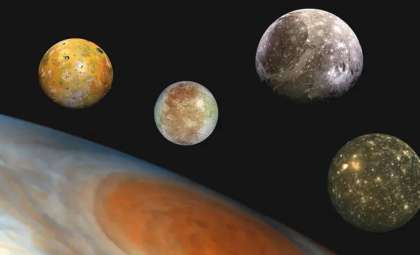
This strategy aligns with our solar neighborhood, where giant planets like Jupiter and Saturn harbor numerous moons, some potentially capable of supporting life.
The Ongoing Quest for Confirmed Exomoons
Despite various proposed detections, no exomoon has been definitively confirmed. Notable candidates under examination include Kepler-1625b I, Kepler-1708b I, Kepler-90g, Kepler-80g, and WASP-49b moon candidates.
Research published in Nature Astronomy in 2023 cast doubt on the existence of Kepler-1625b I and Kepler-1708b I. A 2025 follow-up study left the question open. While four candidates orbit gas giants, the one around Kepler-80g might orbit a planet slightly larger than Earth.
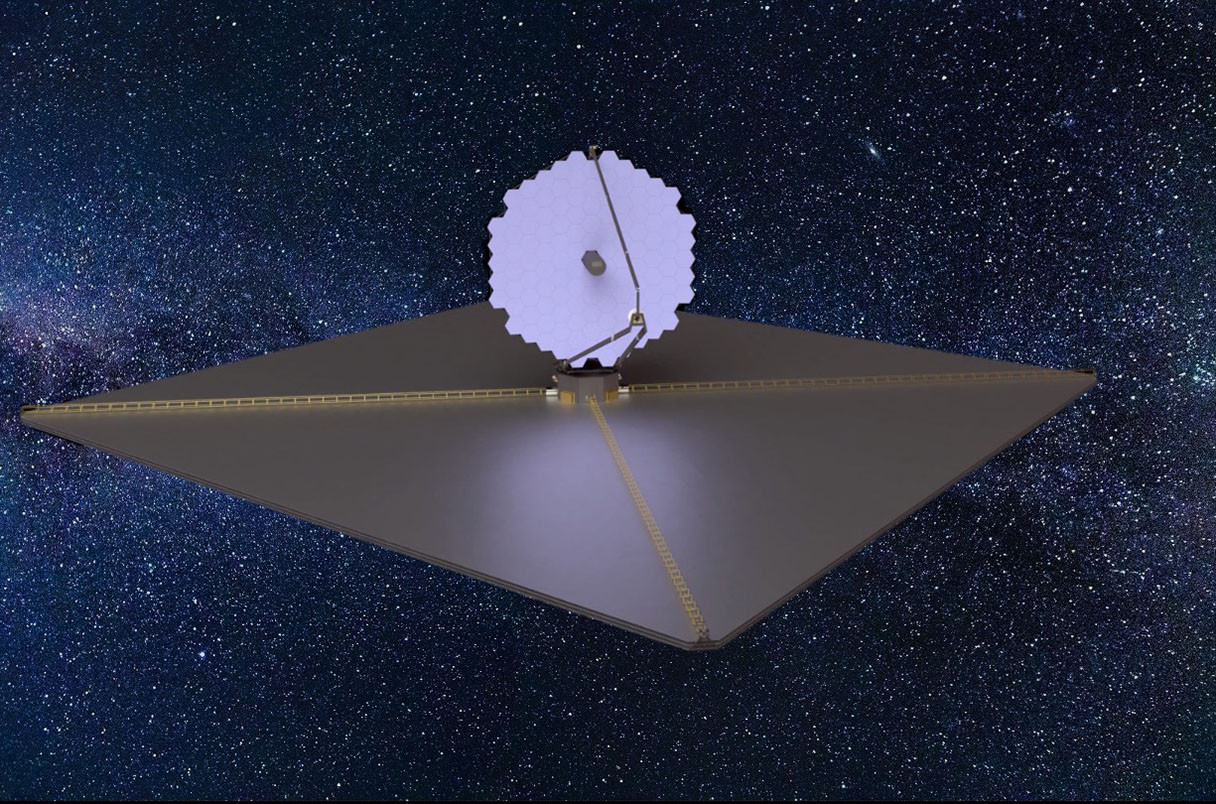
Set to launch in 2041, NASA’s Habitable Worlds Observatory is primarily focused on identifying habitable exoplanets similar to Earth. However, this new work suggests its instruments might also enable the confirmation of the first exomoon by detecting the faint reflected glow of a moon temporarily hidden in its planet’s shadow.
- Categories:
- Space






0 comments
Sign in to Comment