
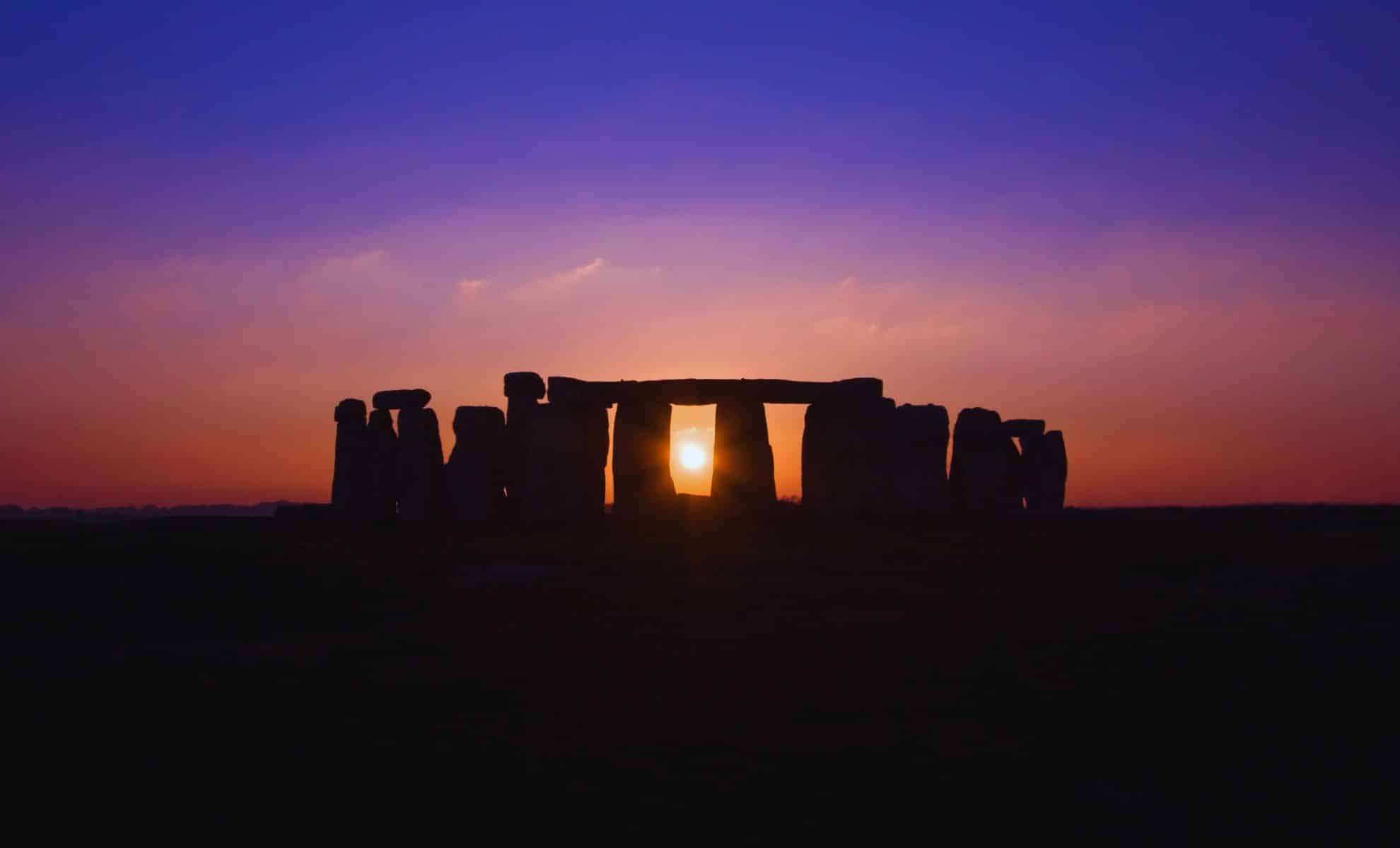
The summer solstice represents the time when the Sun ascends to its highest elevation in the sky, resulting in the longest daylight hours in the Northern Hemisphere. This event will take place on June 21, 2025, although its exact timing varies worldwide due to differences in local time zones. Earth's orbit around the Sun, combined with its axial tilt, drives this annual phenomenon, influencing seasonal changes and daylight duration. Sources like Live Science and The Farmer’s Almanac emphasize that the solstice is not only the day with the greatest sunlight but also a key event reflecting Earth's natural cycles and cultural heritage.
Exploring the Summer Solstice: Causes and Significance
The word “solstice” derives from the Latin terms sol (Sun) and sistere (to stand still), highlighting the apparent pause in the Sun’s northward or southward movement before it reverses direction. This astronomical event occurs twice each year—once marking the maximum daylight (summer solstice) and once the minimum (winter solstice)—in each hemisphere.
For the Northern Hemisphere, the summer solstice occurs when the Earth's axis tilts most directly toward the Sun, producing the longest day and shortest night. This tilt, measuring about 23.5 degrees, ensures the Sun’s rays strike the region more directly than at any other time, signaling the peak of the summer season.

Meanwhile, the Southern Hemisphere experiences its summer solstice in December, when it leans toward the Sun. The solstice marks a significant seasonal shift, as the Sun's apparent path shifts direction, ushering in summer down south.
The Precise Timing of the 2025 Summer Solstice
In 2025, the summer solstice will officially occur at 02:42 UTC on June 21. Yet, due to the planet’s division into time zones, the corresponding local date and time will differ based on your geographic location. For example, North America will witness the event at 10:42 p.m. EDT on June 20, while in the United Kingdom, it will be at 3:41 a.m. BST on June 21. These disparities underscore the impact of longitudinal time zones on the timing of astronomical events.
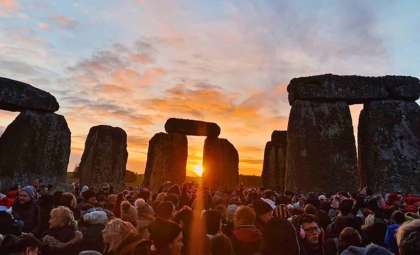
Remember, the solstice pinpoints a specific position of the Sun relative to Earth, meaning its timing subtly shifts by location. This sometimes creates confusion for global observances, such as the renowned summer solstice festivities held at Stonehenge, where crowds gather to greet the dawn of the longest day.
Seasonal Implications of the Solstice
The summer solstice signals the beginning of summer in the Northern Hemisphere, though it doesn't always correspond with the hottest day. Although the Sun reaches its zenith, the Earth’s surface accumulates heat gradually, leading to warmer temperatures weeks after the solstice—a phenomenon called “seasonal lag.” After this day, daylight hours start to shorten even as warmth often continues to build.
Conversely, the winter solstice in the Southern Hemisphere coincides with their briefest day, affecting nations like Australia, New Zealand, and parts of South America. While the Northern Hemisphere enjoys extended sunlight, the Southern Hemisphere experiences its shortest daylight period.
Summer Solstice: Cultural and Historical Perspectives
Across many cultures, the solstice has inspired traditions and celebrations. Events like Litha in Europe and Inti Raymi in the Andes honor the Sun’s power and its vital role in sustaining life. Today, these festivities continue with customs involving bonfires, dancing, and communal gatherings celebrating the Sun’s return.
For thousands of years, the solstice has held deep cultural and spiritual meaning. Ancient civilizations used the event to track time, organize agricultural cycles, and perform rituals. In Ancient Egypt, for example, the solstice was linked to the Nile’s flooding, which replenished farmlands. Meanwhile, at Stonehenge, people still observe the summer solstice sunrise, maintaining a practice dating back millennia.
- Categories:
- News










0 comments
Sign in to Comment