
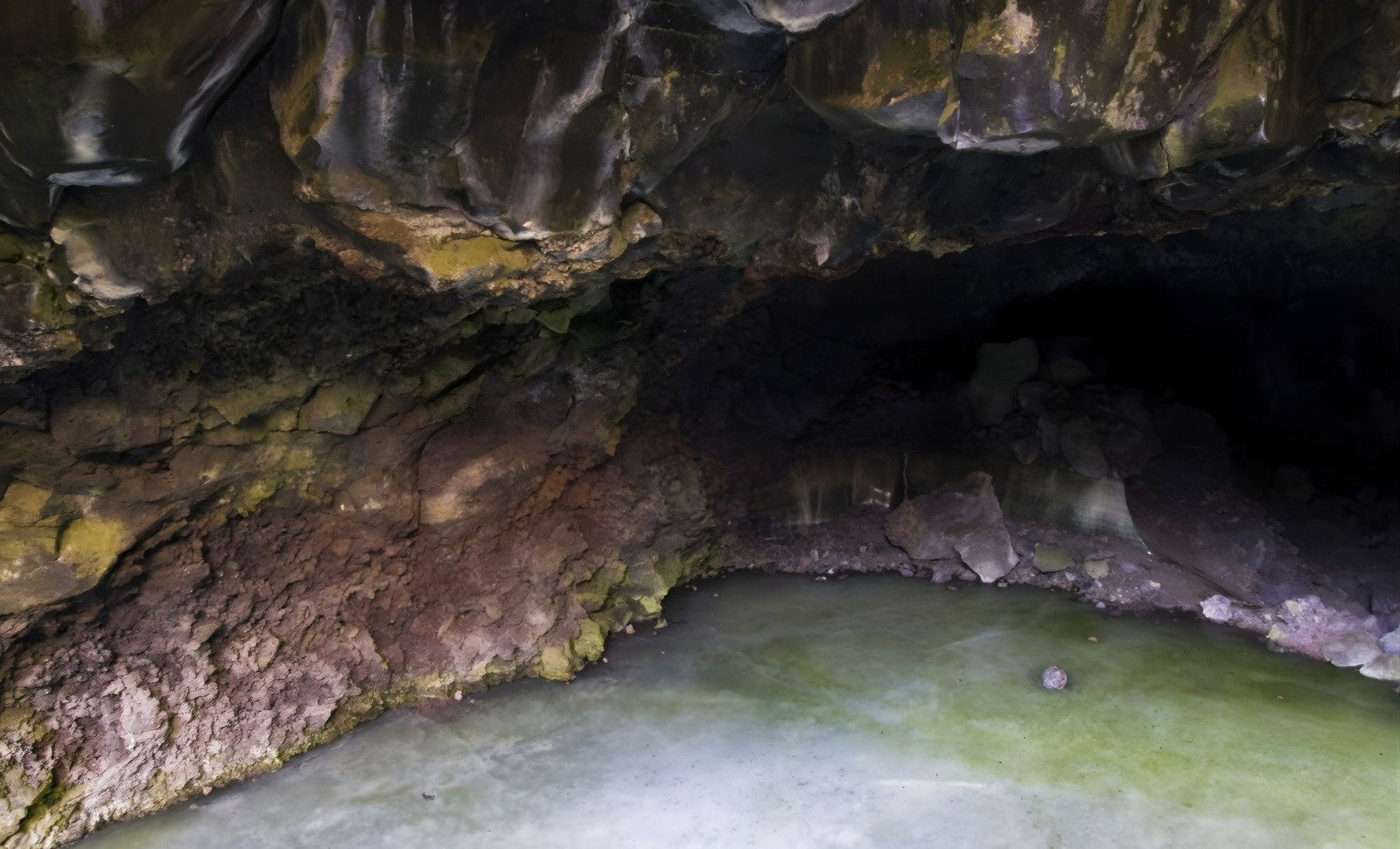
Deep within the Zuni Mountains of New Mexico lies the Bandera Volcano Ice Cave, a remarkable natural marvel. Despite the scorching desert temperatures outside, this cave stays consistently cold at around 31°F (−0.6°C) throughout the year. Inside, massive ice sheets up to 20 feet thick blanket the ground, creating a chilling oasis amid the arid surroundings.
This cave, carved from a collapsed lava tube, provides more than just an icy curiosity; it reveals the fascinating relationship between volcanic structures and environmental factors. Unlike typical caves that experience temperature shifts, the Bandera Ice Cave remains perpetually frozen, offering researchers a unique glimpse into a natural ice sanctuary that has withstood the test of time for over 3,400 years.
Unraveling the Mystery of the Perpetual Chill
The sustained cold within the Bandera Volcano Ice Cave originates from its volcanic origins. Specialists explain that lava tubes form when molten lava flows beneath a hardened surface during a volcanic eruption. Once the surface cools, the molten lava beneath continues moving until it empties, leaving a hollow tunnel. Positioned in one such tube, the cave’s unique structure and porous walls trap cold air inside while preventing external heat from entering.

Ice inside the cave is replenished regularly through snowmelt and rainwater freezing upon contact with the icy interior floor. This ongoing cycle has allowed the ice to build up through thousands of years. The steadfast temperature near freezing ensures that this frozen environment remains stable, preserving the cave’s icy core.
Frozen Life: The Arctic Algae Resilience
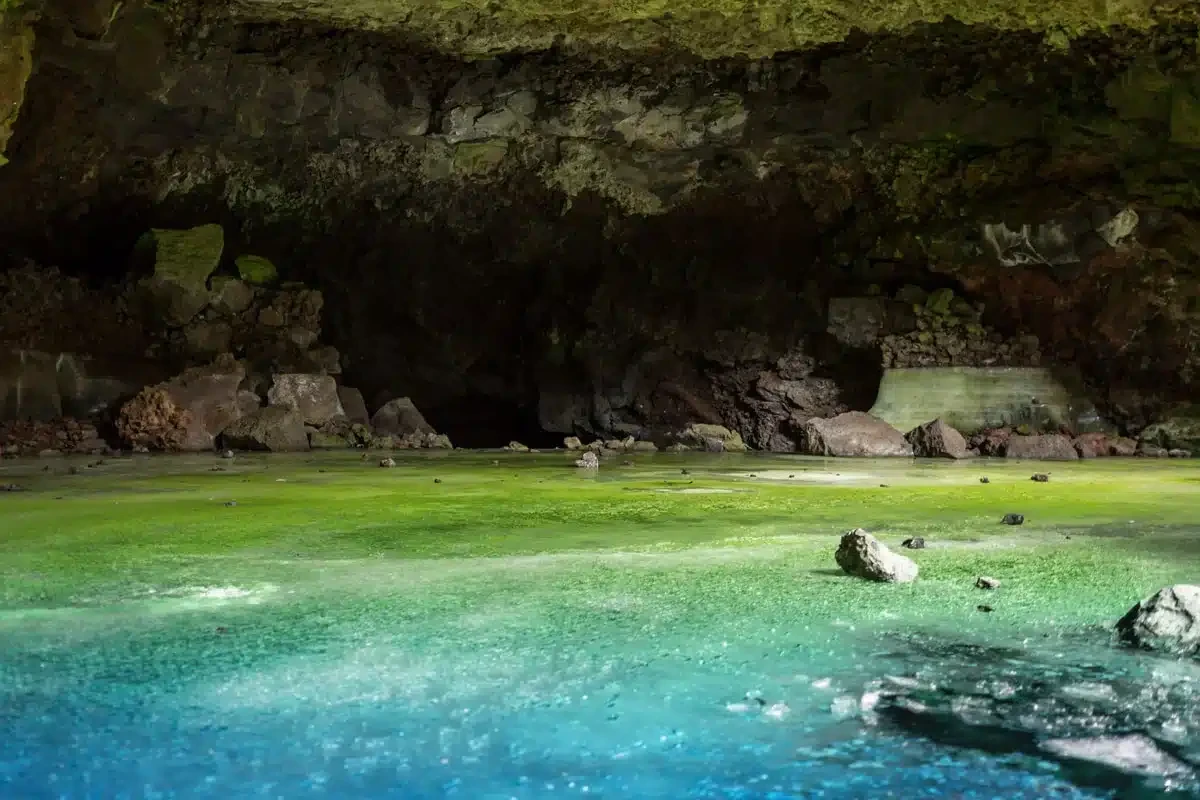
Even amidst the persistent chill, life manages to endure. The cave supports a hardy population of Arctic algae, which thrive on the ice’s surface as a striking blue-green layer. Environmental educator Paul Mauermann from the Sandia Mountain Natural History Center highlights that these algae have uniquely adapted to flourish and reproduce even in subfreezing conditions.
The discovery of Arctic algae within this subterranean icy environment illustrates the extraordinary ability of life to survive extreme habitats. This frozen ecosystem exemplifies nature’s tenacity and adaptability, further enhancing the cave’s scientific and visitor appeal.
A Window into Ancient Volcanic Activity
Though currently inactive, the Bandera Volcano offers valuable insights into volcanic processes and their lasting environmental effects. This volcano exemplifies a cinder cone eruption, featuring sudden explosions emitting lava that form steep, debris-covered cones. The Bandera eruption created an impressive 800-foot-deep crater that visitors can still observe today.
As lava flows solidified and some of the molten rock drained away, tunnels developed that later became homes for the ice cave. This transformation highlights how volcanic landscapes can evolve into unique geological phenomena over time. According to the Ice Cave’s official website, these extensive lava fields now span 23 miles.
- Categories:
- News







0 comments
Sign in to Comment