
Researchers have uncovered fossilized remains of baby dinosaurs, some scarcely larger than a fingernail, indicating that certain dinosaur species may have inhabited and nested in the Arctic throughout the entire year, braving freezing conditions and extended periods of darkness around 70 million years ago.
This challenges long-standing beliefs. Previously, scientists assumed dinosaurs migrated southward during the harsh winters, explaining their fossil presence in northern regions. However, these recent discoveries imply a different scenario.
Evidence Points to Non-Migratory Behavior
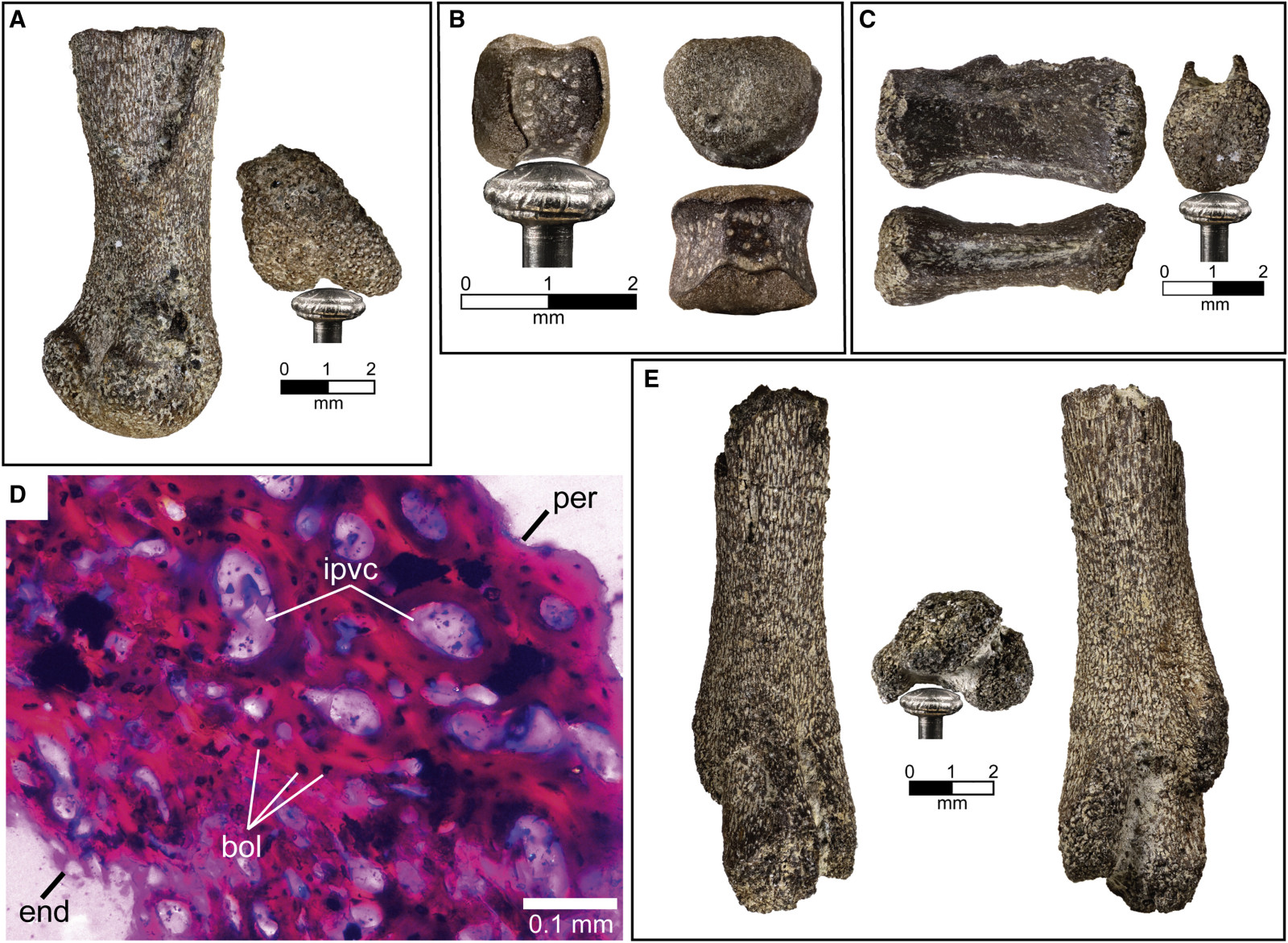
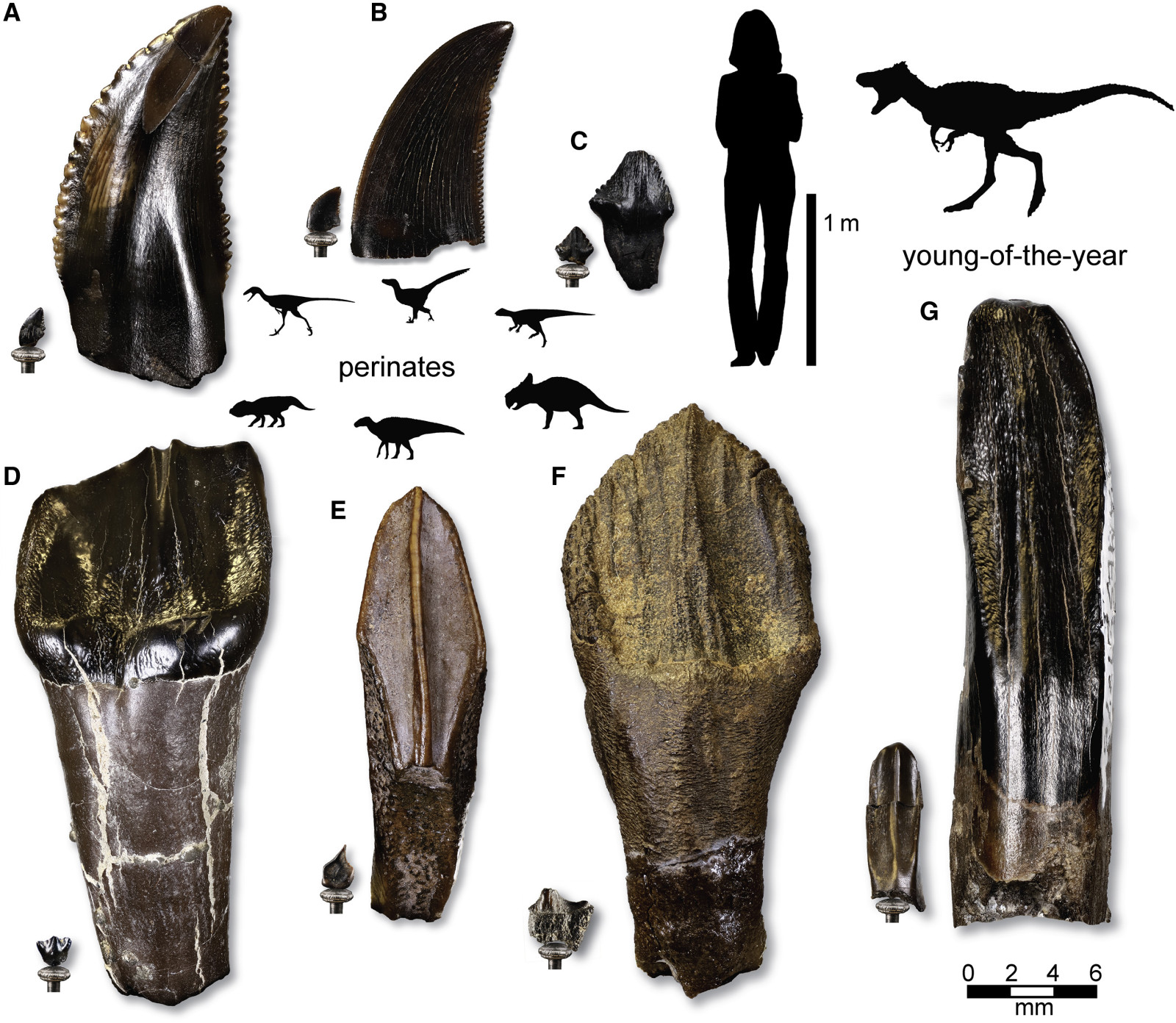
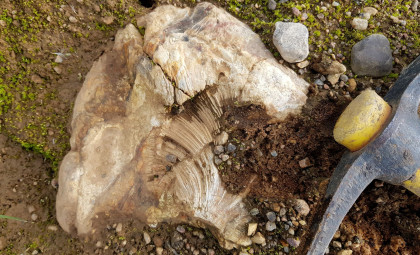
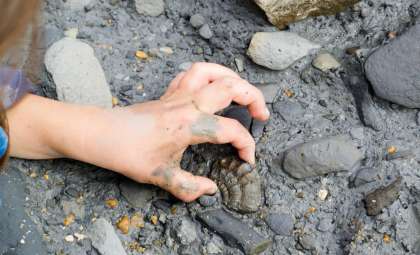
The fossils were excavated from the Prince Creek Formation, a remote and rugged area in northern Alaska. Led by Patrick Druckenmiller of the University of Alaska Museum of the North, the research team found tiny bones and teeth, measuring only 1 to 2 millimeters. These remains belong to at least seven distinct dinosaur species, including well-known groups like Hadrosauridae and Tyrannosauridae, as well as Ornithopoda and Deinonychosauria.

Published in Current Biology, the fossils are not from adult dinosaurs. Instead, they represent individuals that likely died in their eggs or soon after hatching, indicating these dinosaurs reproduced and raised their young locally rather than migrating seasonally into the Arctic.
“That, to me is what is most stunning,” stated Dr. Stephen Brusatte, a paleontologist at the University of Edinburgh. “These dinosaurs – big ones, small ones, meat-eaters, plant-eaters—must have formed entire communities that adapted to endure the challenges of extreme winter survival.”
Reproductive Timing Challenges Migration Hypothesis
The classic theory of seasonal migration falters when considering the practical aspects. Druckenmiller and colleagues note that dinosaurs would have needed to travel approximately 3,000 kilometers round trip from the Prince Creek site to migrate south.
Given that the eggs likely required over five months to hatch, offspring born in spring would face the onset of Arctic winter shortly after emergence. This would make migrating at such an early stage extremely improbable. As Druckenmiller explained:
“Given long incubation periods, small hatching sizes, and the short Arctic summer, it is very unlikely the dinosaurs were migrating,” said The study’s co-author, Professor Gregory Erickson, a paleobiologist at Florida State University.
Arctic Environment Was Milder Yet Challenging
Although it's tempting to imagine these dinosaurs trudging through snow-covered landscapes, the Cretaceous Arctic was less severe than today’s conditions. The discovery of petrified wood at the site suggests the area had forested regions, distinct seasonal changes, fluctuating plant life, and extended periods without sunlight.
“It’s all the more amazing that, thanks to plate tectonics, Alaska was actually 10 degrees farther north than it is today,” said Druckenmiller.
Accessing the site requires pilots to land on gravel bars followed by navigating frozen cliffs by raft, underscoring the remoteness and value of the location. These revelations depict dinosaurs as far more resilient and adaptable than previously thought, possibly with warm-blooded characteristics enabling survival in environments inhospitable to most contemporary animals.
- Categories:
- News




0 comments
Sign in to Comment