
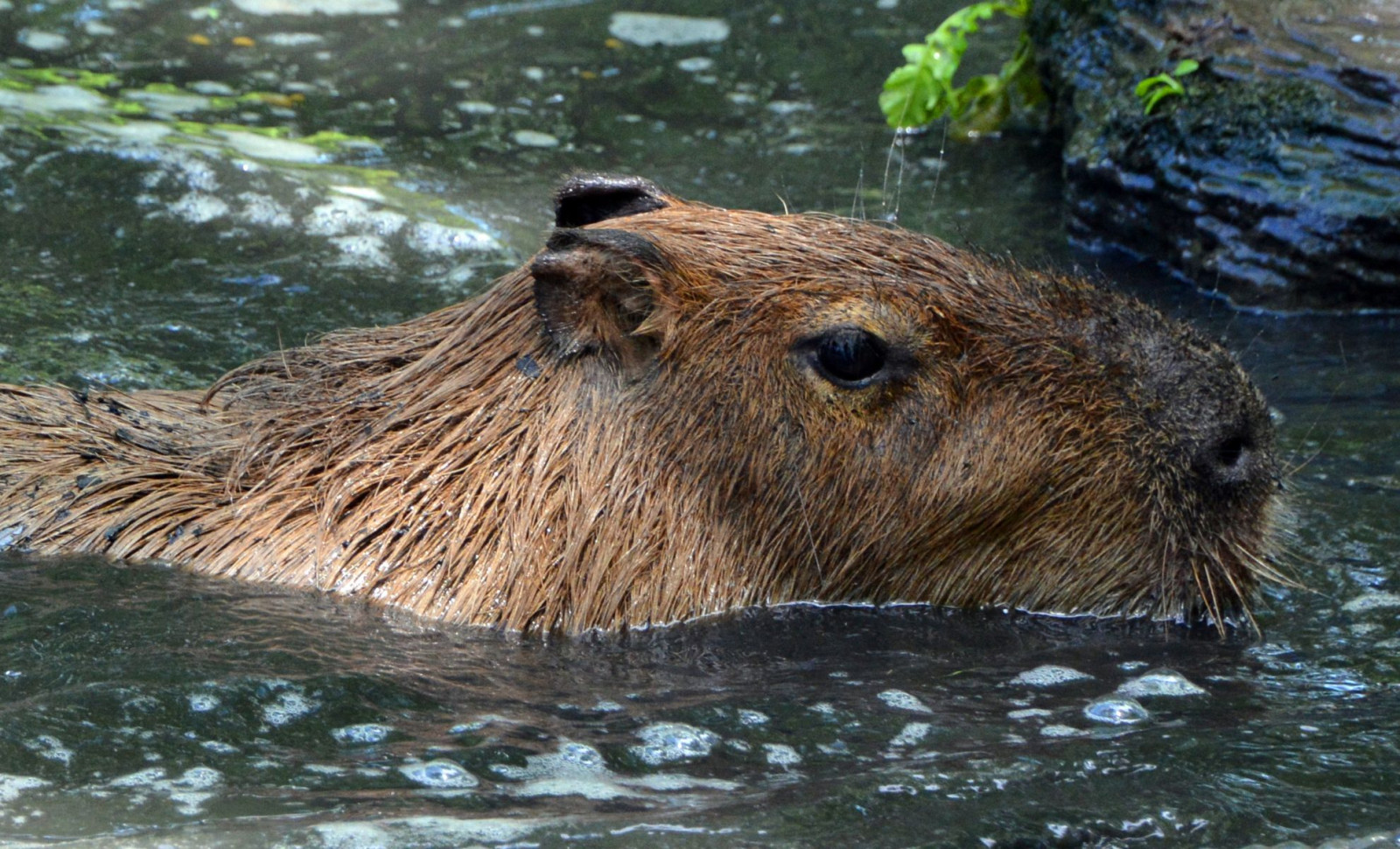
South America was once home to a colossal rodent that tipped the scales at nearly 500 kilograms and wielded a surprisingly powerful bite. This creature, named Josephoartigasia monesi, holds the record as the largest rodent known to science and continues to captivate paleontologists.
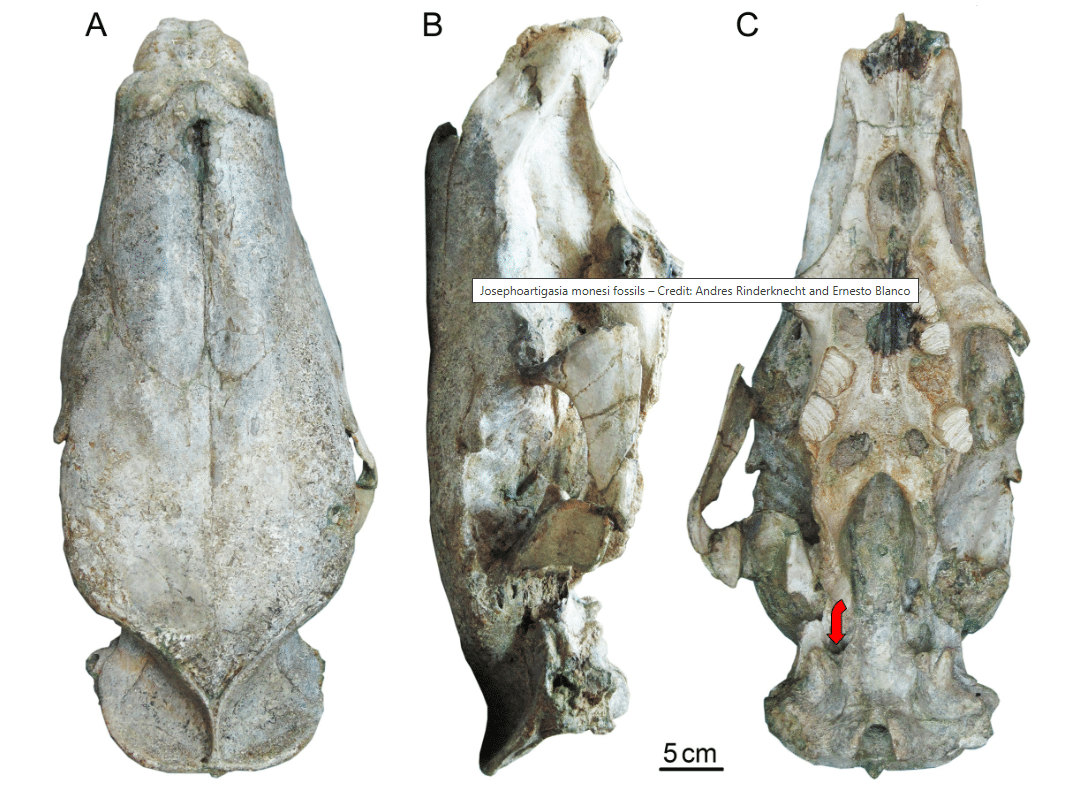
The species was initially identified in 2008 following the detailed study of an almost complete skull found in Uruguay in 1987. This fossil had been housed at the National History and Anthropology Museum for years before researchers re-examined it, shedding light on one of the most remarkable mammals from that era.
Existing roughly 4 to 2 million years ago, J. monesi inhabited an ecosystem filled with giant fauna. Its significance lies not only in its sheer size but also in its anatomical features, which reveal how some rodents adopted ecological niches usually occupied by much larger herbivores.

Size Estimates Revised with New Research
Initial assessments of Josephoartigasia monesi proposed staggering dimensions. A 2008 article published in the Journal of Anatomy estimated its weight ranged from 468 kilograms to as much as 2,586 kilograms, ranking it among the heaviest land mammals in its region.
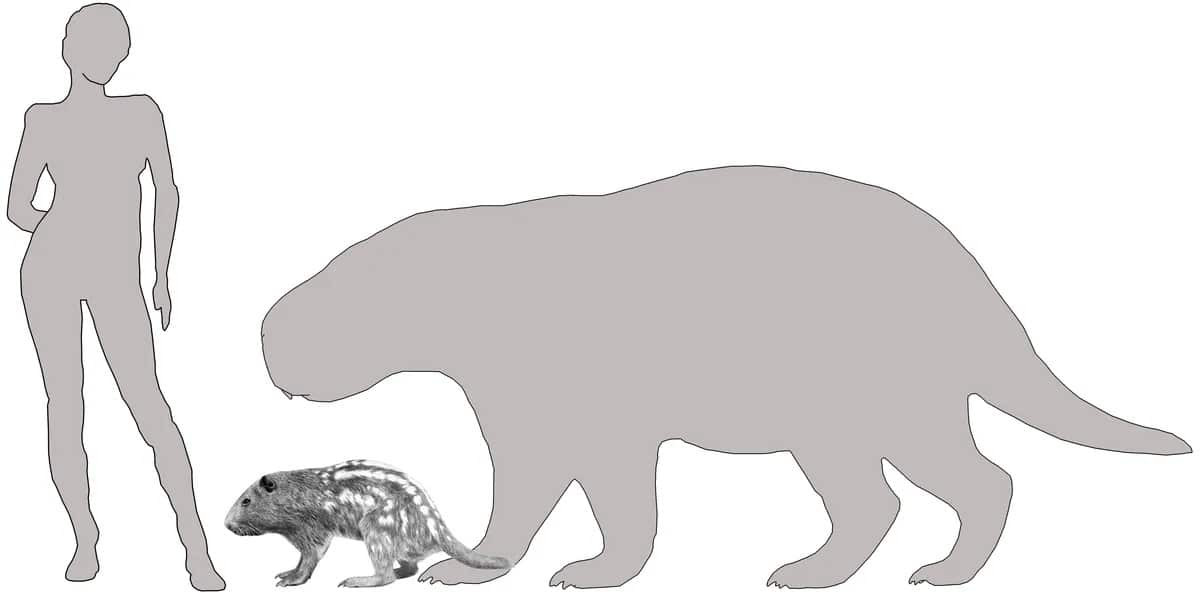
More recent research has refined these numbers. A 2022 study in Royal Society Open Science adjusted the rodent’s mass to approximately 480 kilograms. This correction arose from recognizing a previously overlooked factor in interpreting skull measurements relative to overall body mass. Despite this downward revision, J. monesi remains vastly larger than any rodent alive today, including the capybara.
“We can give an educated guess that the rodent would have been 3 metres lon, assuming that it was similar to a Capybara (the largest rodent alive today) and taking into account that large mammals generally have relatively smaller heads,” said Ernesto Blanco, as quoted by CBC. “Its tail probably was closer to the one of capybara or guinea pig (very short) and not like a rat.”
Exceptional Jaw Strength Among Rodents
The rodent’s bite strength further distinguishes it. Biomechanical modeling documented in the study estimates that J. monesi could exert close to 1,389 Newtons at its incisors and up to 4,165 Newtons at its molars.
This force approaches a critical biological benchmark. Around 4,000 Newtons is enough to fracture a human thigh bone. While not the strongest bite in the animal kingdom, this is remarkably powerful for a rodent, hinting at specialized feeding behaviors.
Herbivore Equipped for Defense
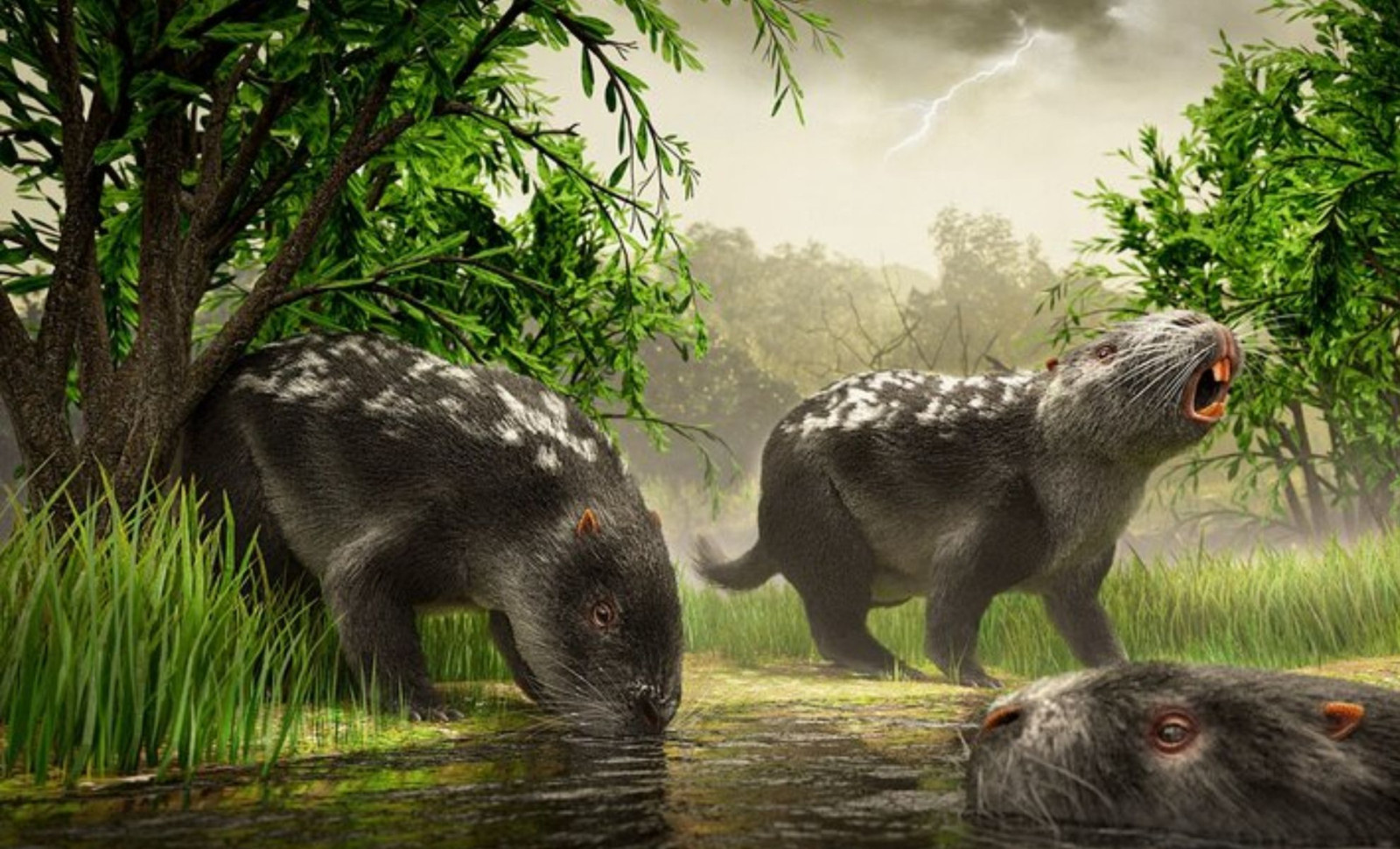
Despite its formidable bite, this ancient rodent was herbivorous. Examination of its skull and dentition suggests it consumed hardy plants and used its incisors to dig up roots.
“The rodent must have used its incisors for activities other than biting, such as digging in the ground for food, or defending itself from predators.”
Its teeth may also have been a deterrent against potential threats. Scientists theorize it might have resembled the modern pacarana in appearance — a slow-moving plant-eater adapted to its surroundings rather than a fierce attacker.
- Categories:
- Science


0 comments
Sign in to Comment