
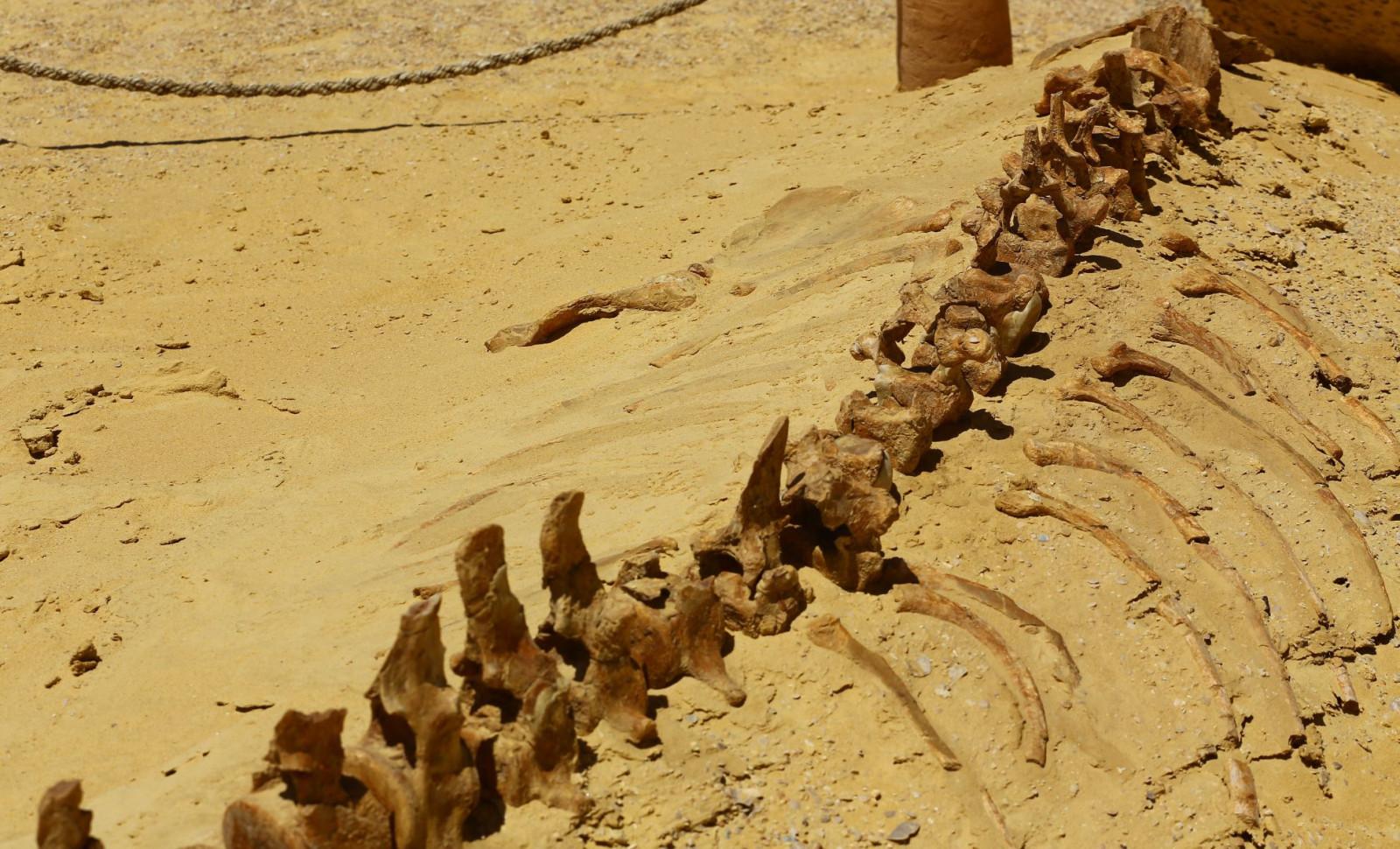
A group of researchers has identified Spinosaurus mirabilis, a remarkable dinosaur species characterized by an enormous, blade-shaped crest, thriving much further inland than once assumed. This groundbreaking finding contests prior beliefs about the fully aquatic nature of spinosaurids.
Under the leadership of Paul Sereno from the University of Chicago, the team uncovered these fossils in Niger during 2022, following years of meticulous investigation. The distinctive anatomy of Spinosaurus mirabilis suggests it was more adapted to terrestrial habitats, likely hunting in river systems rather than oceanic environments.
A Monumental Discovery in the Desert
The initial discovery took place in 2019, when fragments of a large crest and jaw bones were spotted in the remote desert landscape. Initially unsure of the find's significance, the expedition returned in 2022 with reinforced expertise, unearthing additional fossils which confirmed the emergence of a new species.

According to the research published in Science, the site is located deep within Niger’s interior, far from any ancient marine coastlines.
“This find was so sudden and amazing, it was really emotional for our team,” recalled Paul Sereno, professor of organismal biology and anatomy at the University of Chicago. “After one member of our team generated 3D digital models of the bones we found to assemble the skull — on solar power in the middle of the Sahara. That’s when the significance of the discovery really registered.”
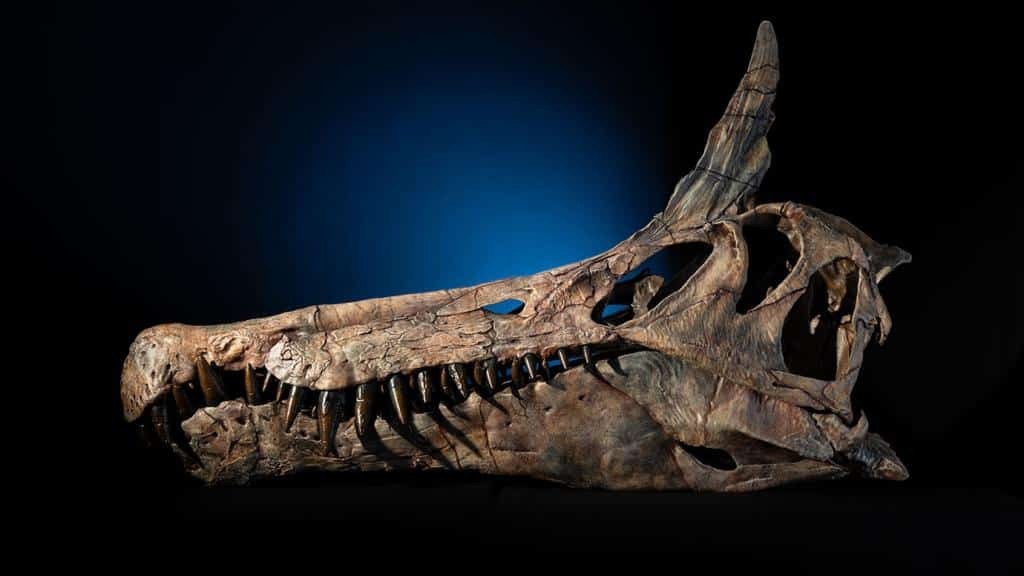
The most outstanding attribute of Spinosaurus mirabilis is its large, curved crest, which researchers believe was sheathed in keratin—similar to human fingernails—and possibly vividly colored. This crest may have served as a visual display to attract mates or intimidate rivals.
Rethinking the Aquatic Lifestyle of Spinosaurids
For decades, scientists have thought that spinosaurids lived predominantly in aquatic environments, pursuing fish in coastal waters. Yet, Spinosaurus mirabilis was discovered between 500 to 1,000 kilometers away from ancient shorelines, inhabiting a lush forested region crisscrossed by rivers, casting doubt on the assumption spinosaurids were strictly water-bound predators.
Sereno depicts this dinosaur as a “hell heron,” equipped to wade into deeper water, but primarily hunting in shallower zones.
“I envision this dinosaur as a kind of ‘hell heron’ that had no problem wading on its sturdy legs into two meters of water but probably spent most of its time stalking shallower traps for the many large fish of the day,” he explained in a statement released by the University of Chicago.
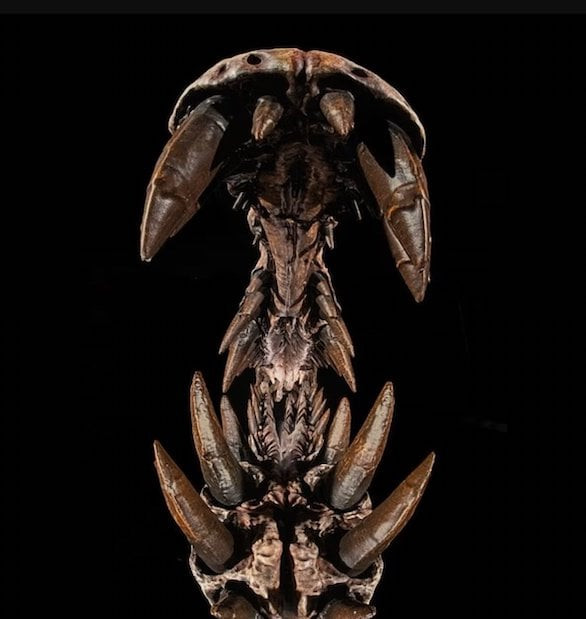
The species’ specialized teeth, which fit tightly to trap slippery prey, underline its adept hunting skills within inland waterways, supporting the hypothesis that spinosaurids were not exclusively aquatic animals.
Decades of Effort Lead to a Stunning Sahara Discovery
The discovery traces back to a fossilized tooth found over seventy years ago in Egypt’s Western Desert which was never thoroughly investigated again. Motivated by this old record, Sereno and his colleagues embarked on a daring expedition across the Sahara Desert in search of promising fossil sites. Guided by a Tuareg local, they navigated harsh conditions to reach a fossil-rich location revealing the remains of this remarkable dinosaur. As Sereno remarked:
“It was an adventure and a half wandering into the sand seas to search for this locale and then find an even more remote fossil area with the new species.”
Having spent more than 30 years exploring the Sahara, Sereno exhibits a profound bond with the desert. His team has collected more than 100 tons of fossils so far, emphasizing the rewarding nature of unearthing such finds under extreme and isolated conditions.
“If you can brave the elements and are willing to go after the unknown, you might just uncover a lost world.”
- Categories:
- Science




0 comments
Sign in to Comment