
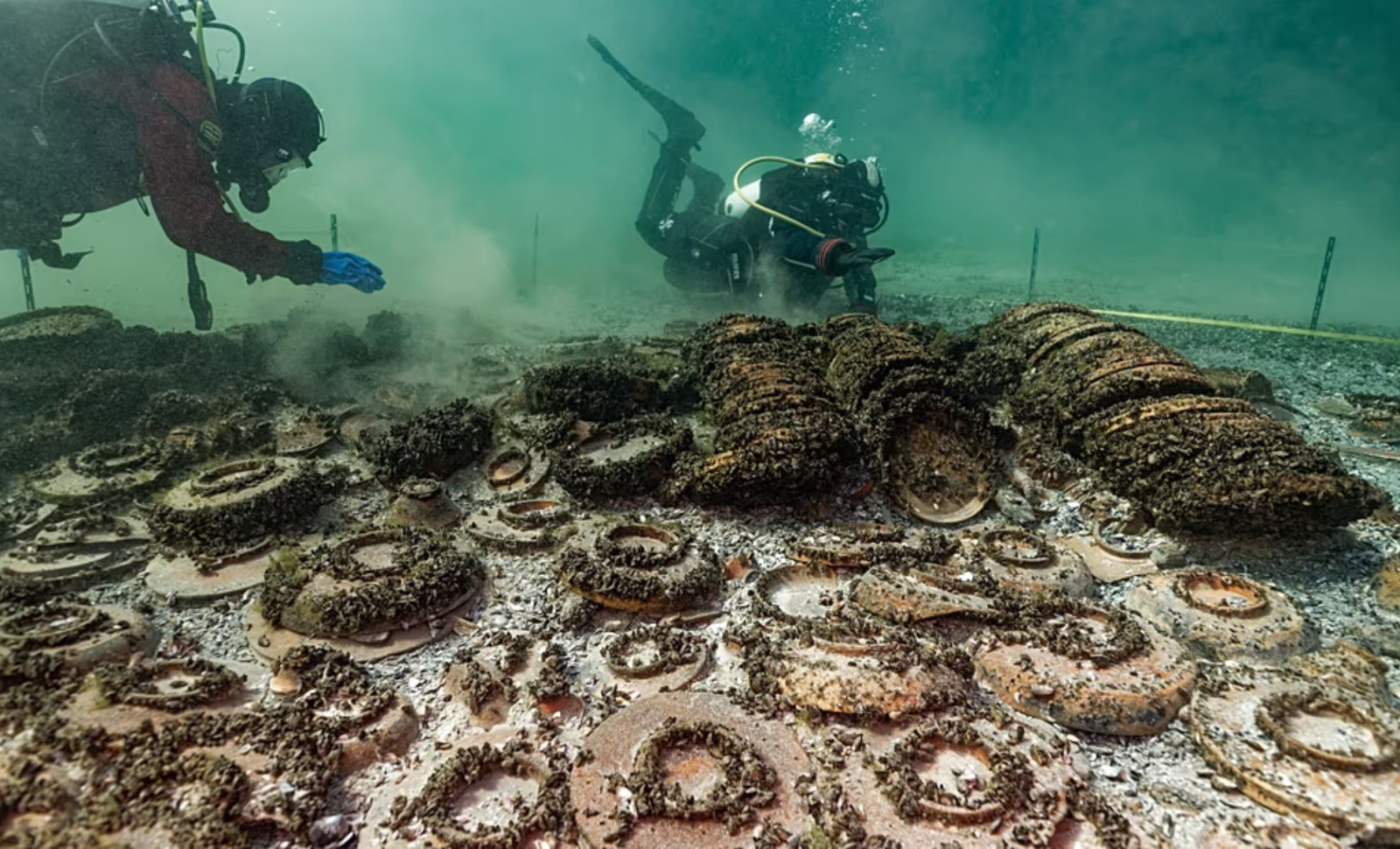
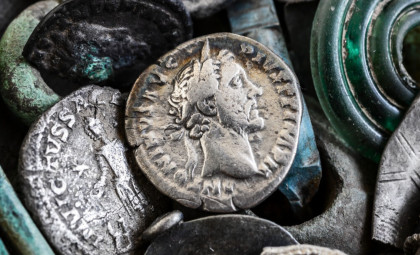
During an exploration of Lake Neuchâtel, divers uncovered a remarkable collection of over 1,000 Roman artifacts originating from a shipment dated between 20 and 50 AD. Initially kept under wraps to prevent theft, this find now offers a rare glimpse into trade and transport during the early Roman Empire.
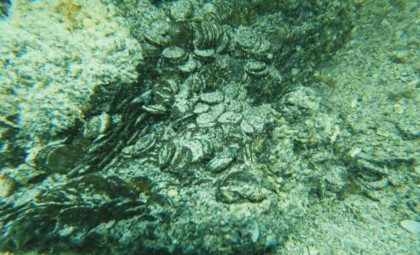
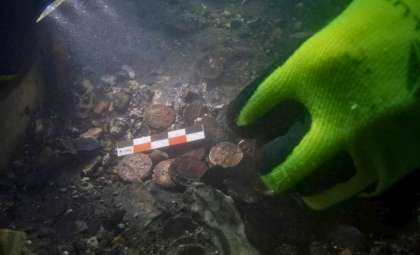
The discovery began with drone images revealing a mysterious dark area beneath the water’s surface, which had become more distinct in recent times. This caught the eye of the Octopus Foundation, prompting divers to investigate. Instead of a shipwreck, they encountered a compact cluster of items resting on the lake floor.
What immediately impressed experts was the exceptional state of preservation. Even food remnants remained in some ceramic vessels, allowing researchers to delve into ancient dietary habits.

Careful Investigation Leads to a Groundbreaking Find
At first, the nature of the submerged objects puzzled the divers. Fabien Langenegger and Julien Pfyffer initially suspected the site might contain hazardous material such as leftover World War II munitions. According to a report from the Octopus Foundation, the divers only realized the objects’ true nature when their lights revealed the unmistakable terracotta hue.
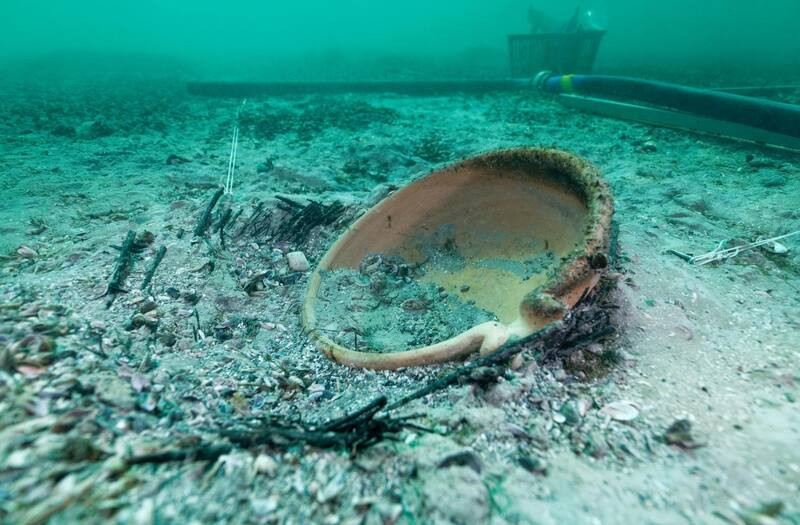
“At first, we both cautiously approached this pile of circles, which could have been a depot of mines left behind from the Second World War,” Pfyffer said. “But when I switched on my camera light, the characteristic colour of terracotta emerged. Looking at some broken plates, we realised that this find was extraordinary.”
The broken pottery fragments quickly made it clear the site held treasures far older than initially suspected.
“We remained rooted to the spot,” he added, describing how they paused when the importance of the find sank in.
The recovery process took place in two stages, spanning 2025 and 2026. Archaeologists retrieved a total of more than 1,000 items, including bowls, plates, and storage jars, many of which remained remarkably intact.
Evidence Points to Military Supply Shipment
The arrangement of the artifacts implies the cargo was carefully organized, likely consisting of kitchenware manufactured locally in Switzerland destined for a nearby Roman military outpost. A crate dated to 17 AD helped establish a precise historical context.
The mix of objects also included military gear such as two swords, a dagger, a fibula, and a belt buckle, indicating that Roman soldiers were likely escorting the shipment.
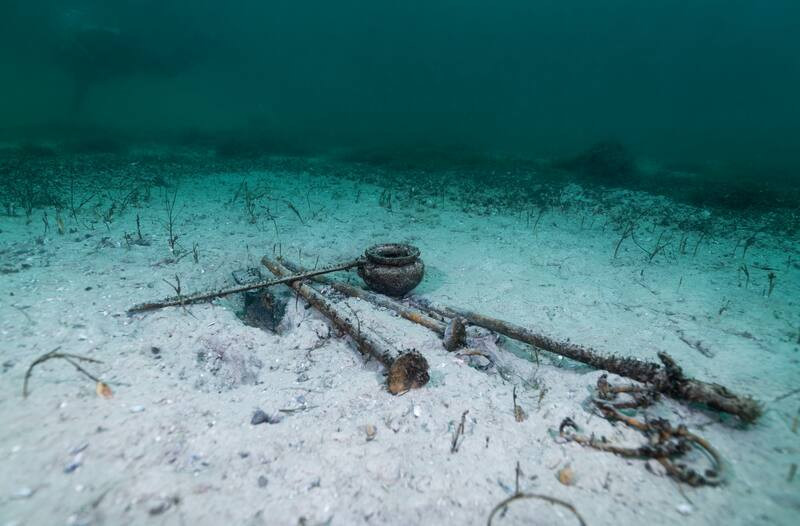
Considering the cargo volume, researchers suggest it was intended to support about 6,000 personnel, roughly the size of a full legion. The vessel transporting these goods remains undiscovered.
Further Insights from a Unique Lake Preservation
Among the most intriguing finds was a woven basket preserved by the lake’s unusual conditions. Contained within were six ceramic items different from the rest, possibly personal belongings of the crew rather than cargo. The survival of such organic materials is rare, highlighting the lake’s remarkable ability to conserve artifacts for millennia.
To protect the artifacts from damage by fishing activities or theft, all items have been retrieved and are now undergoing cleaning and analysis. As reported by Euronews, this process will reveal details like manufacturer’s marks and unpacking methods that were invisible underwater.
“These artifacts, of inestimable historical value, are now exposed to the lake’s currents and potential looters. It was therefore decided to quickly conduct excavations to secure and stabilize these pieces, making them accessible to the public,” the authors said.
The Octopus Foundation aims to publish a book and release a documentary in 2027, with an exhibition planned at Neuchâtel’s Laténium Museum.
- Categories:
- News





0 comments
Sign in to Comment