
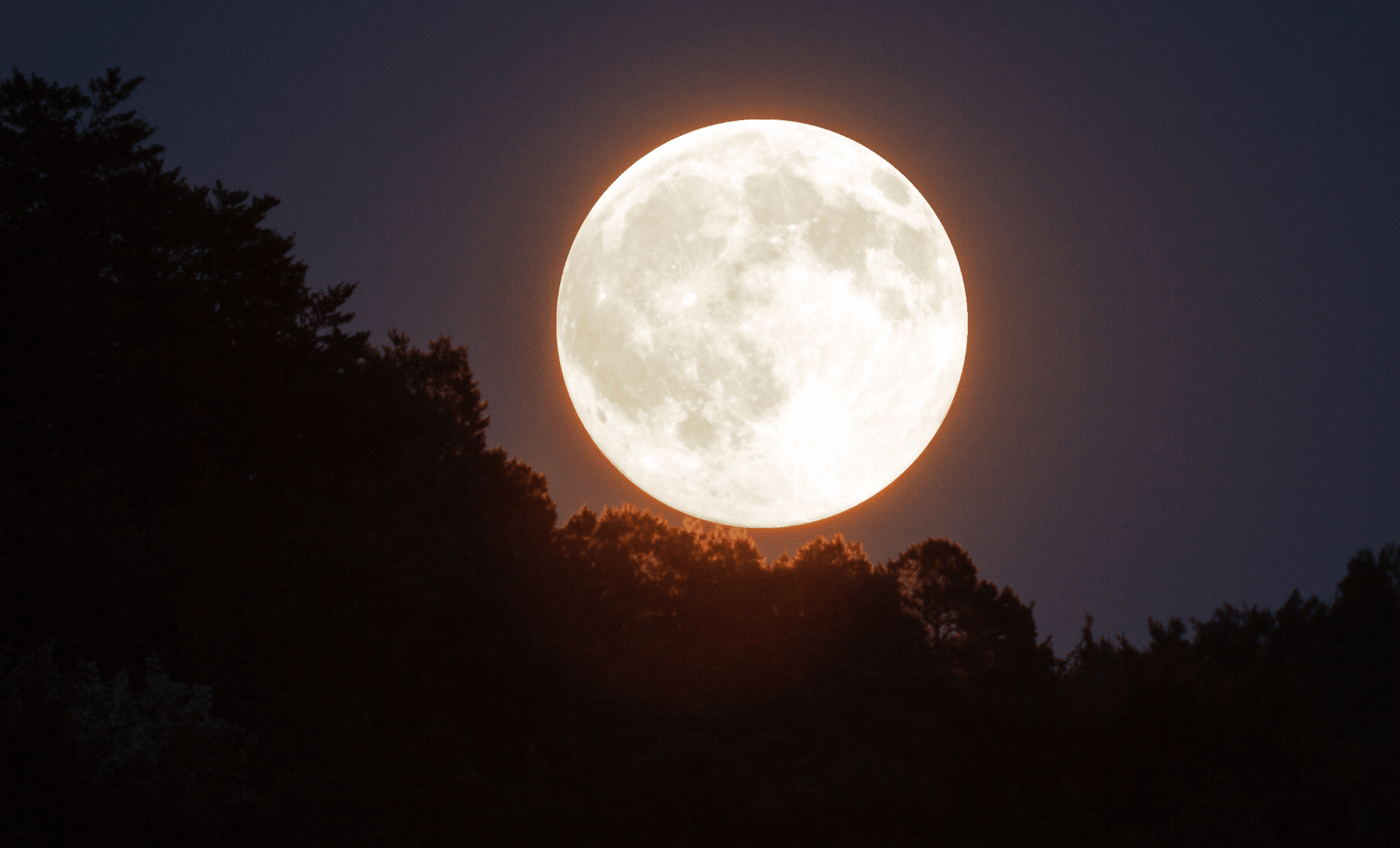
The Harvest Moon, a classic autumnal event, will uniquely fall in October 2025, offering a rare spectacle for astronomy enthusiasts. This timing is influenced by the moon’s position relative to the autumnal equinox, creating an uncommon celestial alignment. According to Space.com, this distinctive occurrence stems from the lunar orbit’s timing near the equinox, making it a must-watch event for anyone fascinated by the night sky.
The Meaning Behind the Harvest Moon
The Harvest Moon is named for its proximity to the fall equinox, generally appearing close to September 22, which signals the start of autumn. For centuries, this full moon’s light extended working hours for farmers collecting their crops in the evening. Native American cultures also relied on the Harvest Moon’s glow to guide seasonal activities, illuminating the gathering of staples such as corn, beans, pumpkins, and squash. This longstanding association with Earth’s seasonal cycles distinguishes it from other full moons.
What Sets the 2025 Harvest Moon Apart?
In a break from tradition, the 2025 Harvest Moon arrives on October 6 rather than in September. This is because the full moon nearest the equinox falls later than usual, closer to early October. On September 7, the full moon was 15 days prior to the equinox, while the October 6 full moon occurs just 14.4 days after, making it especially close to the autumnal marker.

This shift is linked to the moon's elliptical orbit and its cyclical patterns—full moons usually appear about every 29.5 days, but their dates can vary relative to equinoxes and solstices. As a result, the October timing of the 2025 Harvest Moon is a rare anomaly.
Origins and Agricultural Importance of the Harvest Moon
The term “Harvest Moon” has roots in the farming traditions of the Northern Hemisphere. Ancient communities used this bright moon, which rises early around sunset, to maximize nighttime labor during harvest season. Though it’s not the longest-lasting full moon, its significance lies in its unique rising pattern.
Unlike typical full moons that rise approximately 50 minutes later each night, the Harvest Moon emerges at nearly the same time evening after evening. For instance, in Boston during 2025, moonrise will be at 5:32 p.m. on October 5, 5:55 p.m. on October 6, and 6:20 p.m. on October 7. This gradual shift provided invaluable extra time for farmers to work under natural light.
How Uncommon Is an October Harvest Moon?
The Harvest Moon in October 2025 is a relatively rare event. Between 1970 and 2050, only 18 Harvest Moons will fall in October. The last took place in 2020, and the next will occur in 2028. Typically, these events happen roughly every three years but can range up to eight years apart, which makes the 2025 event particularly special for skywatchers.
Unique Moonrise Patterns Explained
A defining feature of the Harvest Moon is its unusual timing of moonrise. Instead of the typical 50-minute delay night-to-night, the moon rises at nearly the same evening hour. This phenomenon is most pronounced in the Northern Hemisphere. For example, in Boston, the delay is just about 24 minutes each night, while southern regions might experience a 37-minute difference, and northern areas like Edmonton, Alberta, see only 11 minutes.
This effect is due to the angle of the moon’s path along the ecliptic relative to the horizon, which shrinks during this season. At high latitudes, such as near 70 degrees north, the moon may even appear to rise earlier nightly—a fascinating quirk that intrigues both astronomers and casual observers.
The Cultural Role of the Harvest Moon
The Harvest Moon’s significance extends beyond astronomy and agriculture, holding strong cultural importance worldwide. In Native American heritage, it was critical for successful harvests, symbolizing the final stretch of crop gathering before winter. This connection to seasonal rhythms and the urgency to prepare for colder months remains meaningful today.
- Categories:
- News






0 comments
Sign in to Comment