
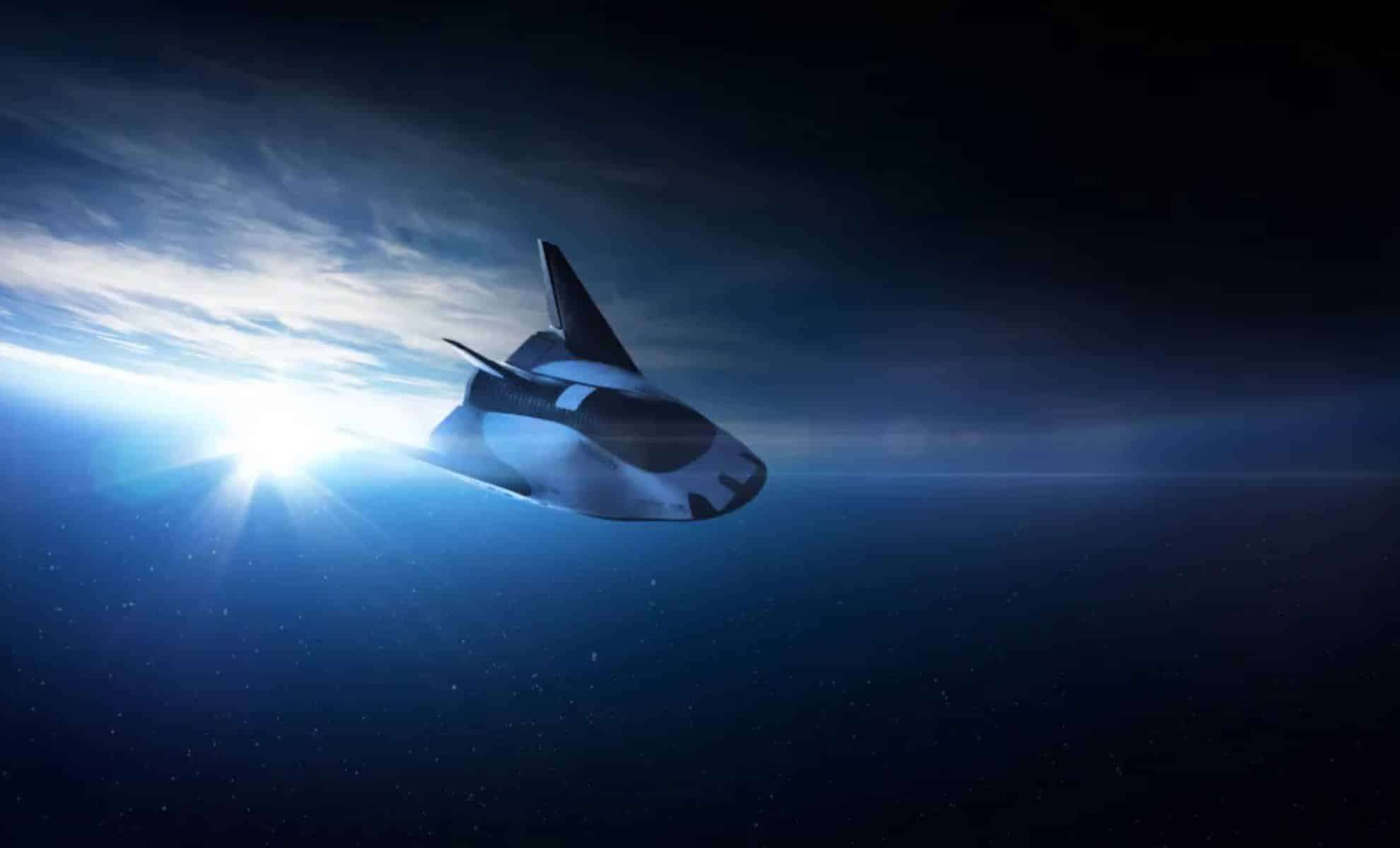
The much-anticipated inaugural flight of Sierra Space’s Dream Chaser spacecraft, named Tenacity, is encountering more delays. Although NASA initially targeted 2025 for the launch, recent information from agency officials and industry insiders suggests the timeline may slip. As the first commercial spaceplane designed for runway landings, the project continues to face technical difficulties, regulatory hurdles, and schedule adjustments that are pushing its debut further out.
Years of Development Behind the Spaceplane
Back in 2016, NASA awarded Sierra Space a CRS-2 contract to conduct no fewer than seven cargo runs to the International Space Station (ISS). The Dream Chaser was initially planned to fly as early as 2020, but numerous challenges—ranging from software certification delays to engineering complexities—have pushed the schedule back repeatedly.
As reported by Aerospace America, NASA’s ISS program manager Dana Weigel noted, “we still have some of our integrated safety reviews to do, and we’re in the process with updating both of our schedules to try to understand where does that really put us.”

Weigel emphasized that assembling such a sophisticated spacecraft is frequently underestimated, pointing to Boeing’s Starliner as a familiar example. Starliner’s own setbacks in software development have led NASA to adopt a cautious certification process for new vehicles, including Dream Chaser.
Rigorous Testing in Harsh Simulated Environments
Despite schedule setbacks, Tenacity has successfully undergone a battery of demanding evaluations. In May 2024, it reached NASA’s Kennedy Space Center after enduring rigorous testing at Ohio’s Neil Armstrong Test Facility. This phase included vibration tests using what is claimed to be the world’s most powerful spacecraft shaker, replicating the extreme stresses encountered during launch and reentry. Temperature trials followed, exposing the spacecraft to conditions ranging between –150 and 300 degrees Fahrenheit (-101 to 148 degrees Celsius) inside NASA’s in-space propulsion lab to simulate the space environment.
For its debut mission, Tenacity is scheduled to launch aboard United Launch Alliance’s (ULA) Vulcan Centaur rocket, transporting around 8,500 pounds (3,850 kilograms) of cargo to the ISS. When fully operational, the vehicle aims to carry up to 12,000 pounds (5,440 kilograms) to low-Earth orbit, significantly enhancing NASA’s commercial resupply options.
Launching Challenges Linked to Vulcan Rocket Certification
Beyond the spacecraft’s own approval hurdles, Dream Chaser’s launch vehicle faces its own obstacles. The Vulcan Centaur rocket, developed by ULA, awaits certification from the U.S. Space Force after an engine anomaly occurred during its second flight in October 2024. At a June 2024 press briefing, ULA CEO Tony Bruno conveyed frustration, stating, “timing is everything. We waited as long as possible on Dream Chaser because we really, really wanted to fly them. It’s a very exciting mission.” However, escalating military launch priorities require ULA to focus on certification flights first, leading to additional delays for Dream Chaser’s maiden voyage.
This reveals the interconnected nature of aerospace timelines, where one program’s delay cascades into others. While NASA has kept Dream Chaser on its 2025 roster, agency representatives now acknowledge that the launch might be postponed further pending Vulcan’s clearance.
Unique Capabilities of the Dream Chaser Spaceplane
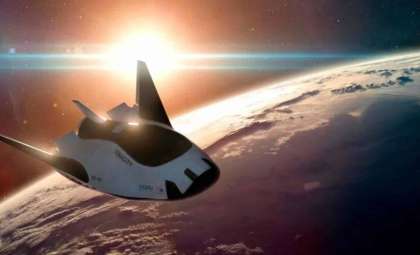
Dream Chaser stands apart from NASA’s current spacecraft lineup. Inspired by the space shuttle’s design, it can launch attached to a rocket, endure reentry, and then glide to a precision runway touchdown. Its compact lifting-body shape enables landings at nearly any runway exceeding 10,000 feet, offering operational flexibility unmatched by cargo vehicles such as SpaceX’s Dragon.
The spacecraft is paired with the Shooting Star cargo module, a jettisonable unit capable of holding up to 7,000 pounds (3,175 kilograms) of supplies. Designed to burn up during descent, this module allows ISS crews to load waste materials for safe disposal. Additionally, it includes external mounting locations for supplementary cargo, enhancing its overall capacity.
As NASA increasingly depends on commercial partners to sustain its presence in low-Earth orbit, Dream Chaser represents a vital advancement in expanding and diversifying the space agency’s cargo transport fleet.
- Categories:
- News








0 comments
Sign in to Comment