
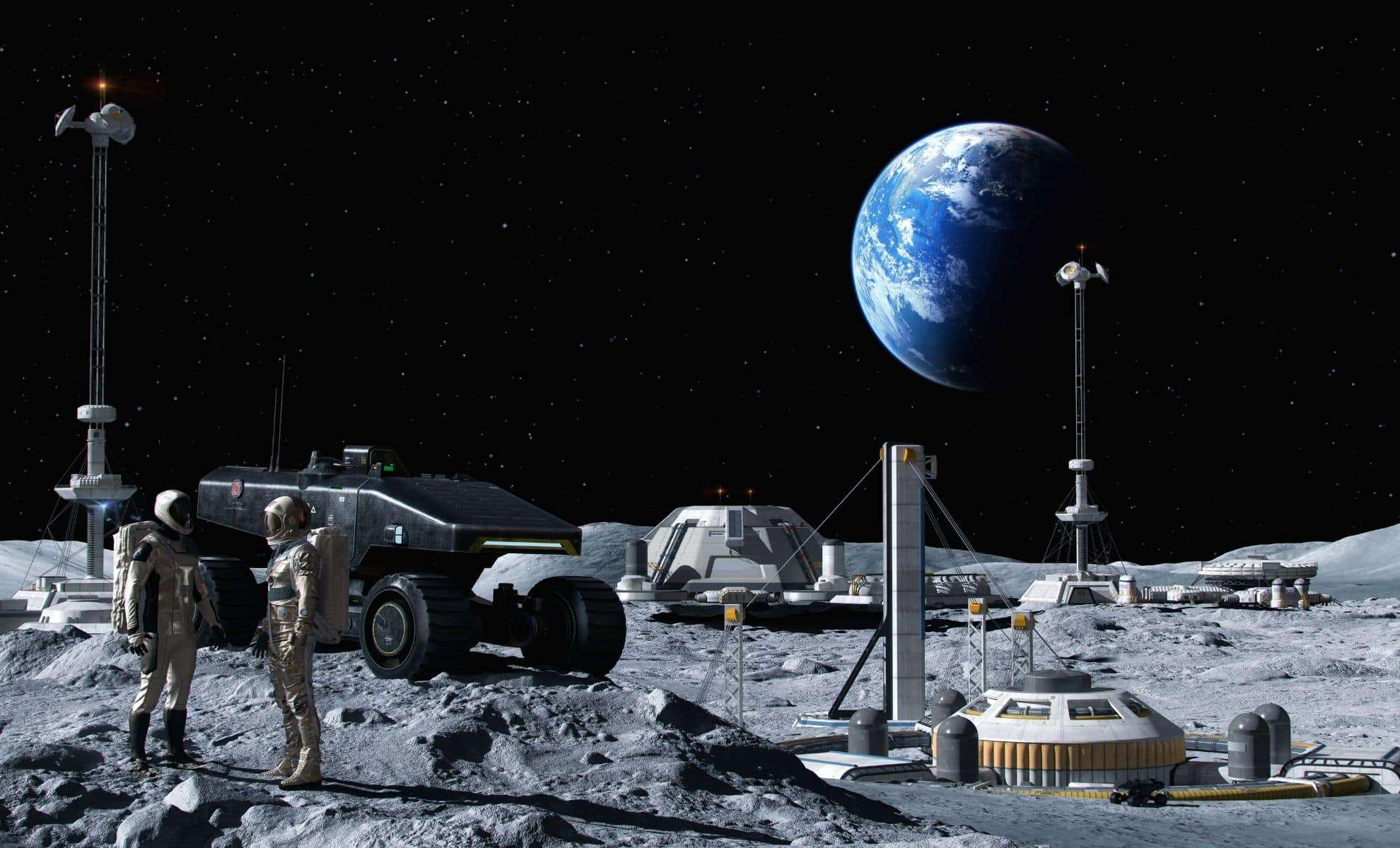
South Korea has laid out an extensive plan to establish a long-term lunar base by 2045, showcasing a significant boost to its expanding space initiatives. The announcement came at a session held by the National Research Foundation of Korea in Daejeon, where the newly established Korea AeroSpace Administration (KASA) shared its visionary roadmap for space exploration.
Core Mission Areas Driving South Korea’s Space Exploration
As detailed by The Korea Times, KASA has identified five strategic objectives: operations in low Earth orbit, conducting microgravity experiments, lunar exploration activities, and advancing solar and space sciences. Central to these efforts is the Moon, prioritized through a phased approach that targets a robotic lunar touchdown by 2032. This will be followed by deploying a more sophisticated lander by 2040, setting the stage for a “lunar economic hub” to be realized five years later—an unprecedented milestone for South Korea’s space ambitions.
Since KASA’s inception in 2023, it has rapidly advanced plans to master domestic lunar lander and rover technologies, alongside developing capabilities to harvest and utilize lunar resources such as water ice. These resources are pivotal in sustaining future crews and fueling missions that extend beyond lunar orbit.

Practical Progress Illustrated Through Rover Testing
South Korea is moving beyond theoretical frameworks with concrete progress. The Korea Institute of Geoscience and Mineral Resources recently trialed prototype lunar rovers deep within an abandoned coal mine, simulating lunar mining conditions. These field tests underline the country’s commitment to swiftly transition from plans to real-world applications, particularly in the extraction technologies crucial to maintaining a lunar base.
This endeavor builds on prior achievements, including the launch of its pioneering lunar orbiter Danuri, also known as the Korea Pathfinder Lunar Orbiter, in August 2022 via a SpaceX Falcon 9. After reaching lunar orbit months later, Danuri continues to relay valuable scientific data, marking South Korea’s significant entry into deep space exploration and validating key technology for upcoming missions.
International Lunar Initiatives Gain Traction
South Korea’s aspirations for a moon base contribute to a rising trend among nations pursuing permanent lunar settlements. The United States is advancing similar goals through NASA’s Artemis program, aiming to establish lunar stations within this decade. Meanwhile, China has partnered with Russia and other countries on comparable lunar projects, and India has announced plans to create its own moon facility by 2047.
KASA’s ambitions extend beyond lunar missions, targeting a historic Mars touchdown by 2045. These dual goals highlight South Korea’s drive to become a formidable presence in the evolving domain of interplanetary exploration.
- Categories:
- News












0 comments
Sign in to Comment