
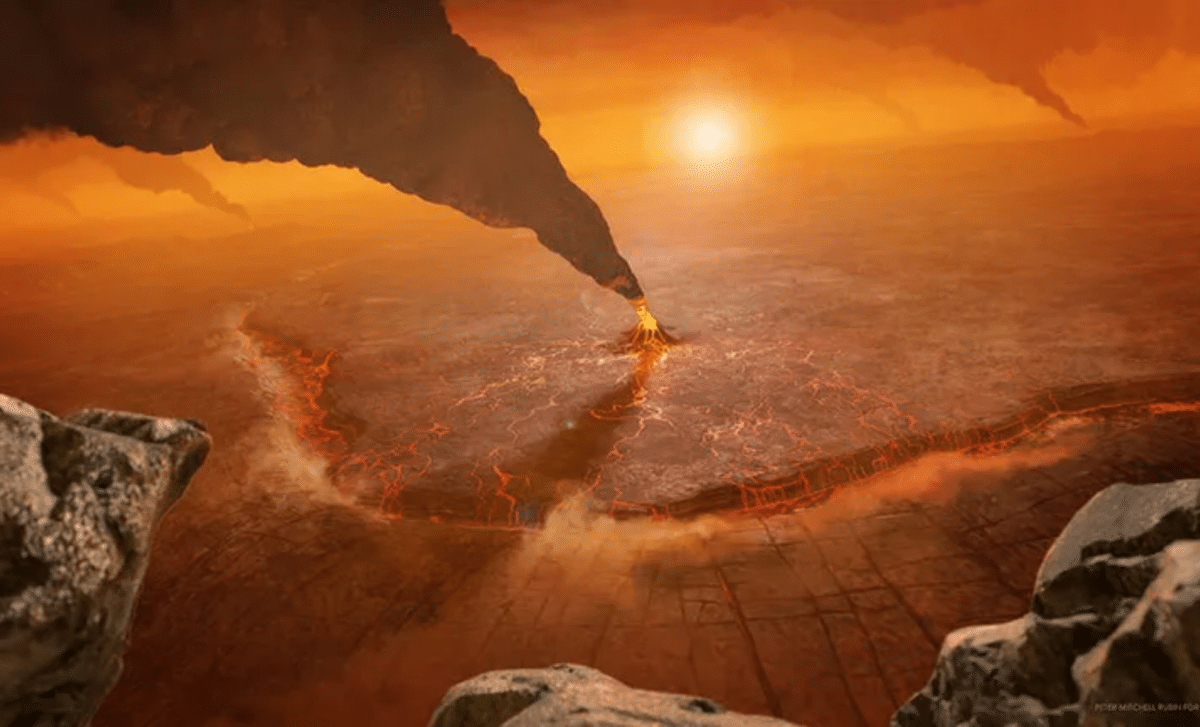
An intense volcanic event on Earth is now guiding researchers in the quest to detect active volcanoes on Venus, introducing a novel approach to interpret extraterrestrial lava flows. The upcoming June 2026 issue of the Journal of Volcanology and Geothermal Research will feature findings demonstrating how satellite imagery combined with artificial intelligence techniques can reveal whether Venus remains volcanically alive.
Volcanic Landscape of Venus
Venus is famously characterized by its extensive volcanic activity, hosting over 85,000 volcanoes across its terrain. Evidence shows that much of Venus’s surface was covered by lava flows within the last 500 million years, suggesting a history marked by intense volcanic upheaval. Historically, scientists held that the planet’s volcanic activity stemmed from one massive resurfacing event, followed by a prolonged period of inactivity.
Renewed evaluation of data from NASA’s Magellan mission challenges this view, revealing subtle surface transformations and atmospheric signs, including raised concentrations of sulfur dioxide and carbon dioxide, indicative of ongoing volcanic phenomena. However, without witnessing active eruptions, confirmation remains elusive.

Research rooted in Earth’s volcanic processes is crucial here. Studying lava’s cooling and altering behavior on Earth helps formulate models applicable to Venus’s environment. These insights, elaborated in the upcoming Journal of Volcanology and Geothermal Research, represent a breakthrough in this comparative approach.
Mauna Loa’s 2022 Eruption: A Model for Planetary Study
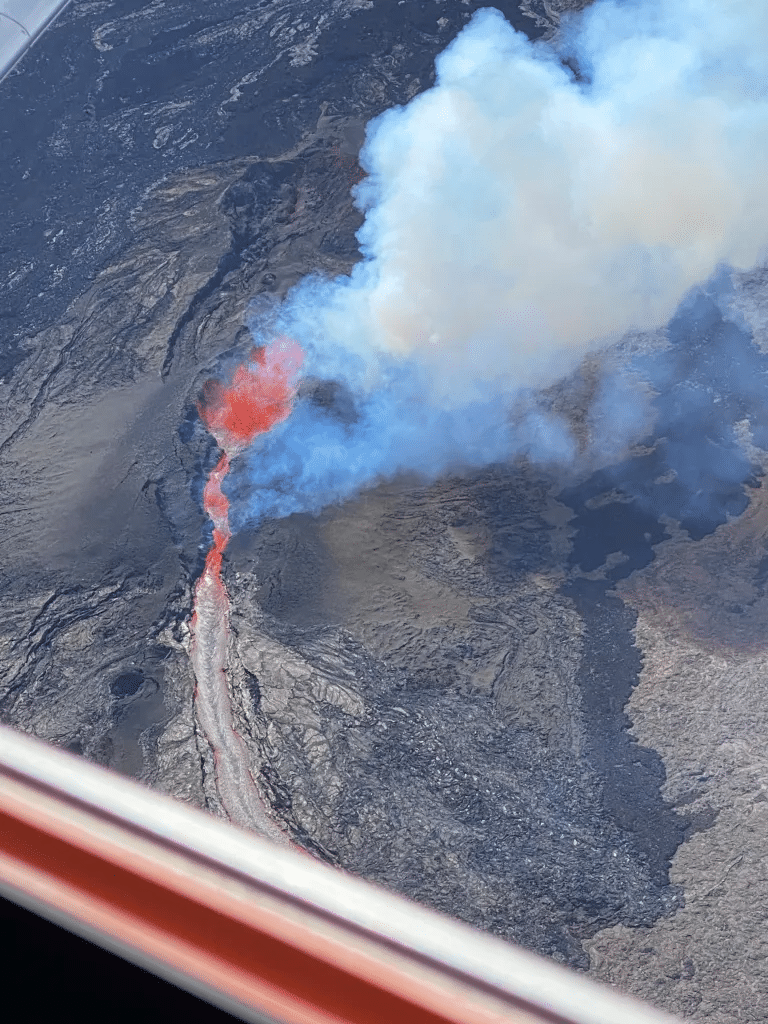
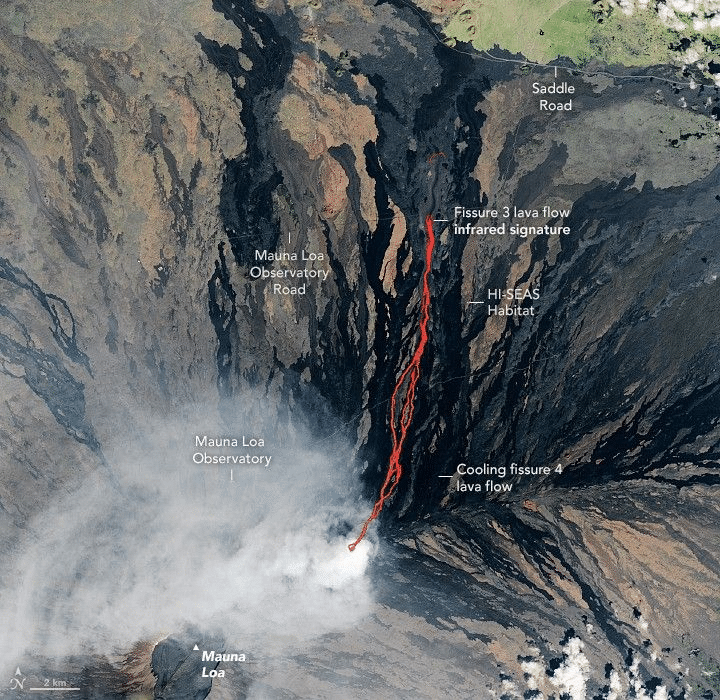
The late 2022 eruption of Mauna Loa offered a unique occasion to analyze lava flows with unprecedented precision. As Earth’s biggest active volcano, Mauna Loa’s numerous eruptions have been documented since the 1800s, yet this event was notable for the access to comprehensive satellite data from both public and commercial sources.
Researchers integrated data from governmental space missions and commercial satellite observations recorded at high frequency, facilitating near real-time tracking of the lava’s behavior. This combination offered profound insights into the lava’s spreading, thickening, and cooling dynamics.
“Understanding the rate at which lava cools here on Earth helps us interpret thermal data when observing potential lava flows on Venus,” explained Ian Flynn, a geologist at the University of Pittsburgh.
Machine learning tools further revealed a rise in subterranean heat roughly a month before the lava surfaced, a discovery that might enhance eruption prediction capabilities both on Earth and extraterrestrially.
Transforming 2D Data into 3D Models of Lava
A key innovation of this study is the shift from flat satellite images to three-dimensional modeling of lava flows. Thickness strongly influences lava’s cooling rate and travel distance, yet it has traditionally been challenging to estimate remotely.
In collaboration with NASA’s Goddard Space Flight Center, scientists adapted glacier thickness measurement methods to build detailed 3D reconstructions of Mauna Loa’s lava flow depths.
“Having visible data allowed us to trace lava pathways, and now we can also quantify flow thickness and volume,” Flynn noted.
Findings showed lava flows thicker than 20 meters required approximately 21 months to cool fully. Such temporal markers are invaluable for interpreting thermal data from Venus, discerning recent volcanic activity from ancient flows.
Advancing Techniques to Identify Active Volcanoes on Venus
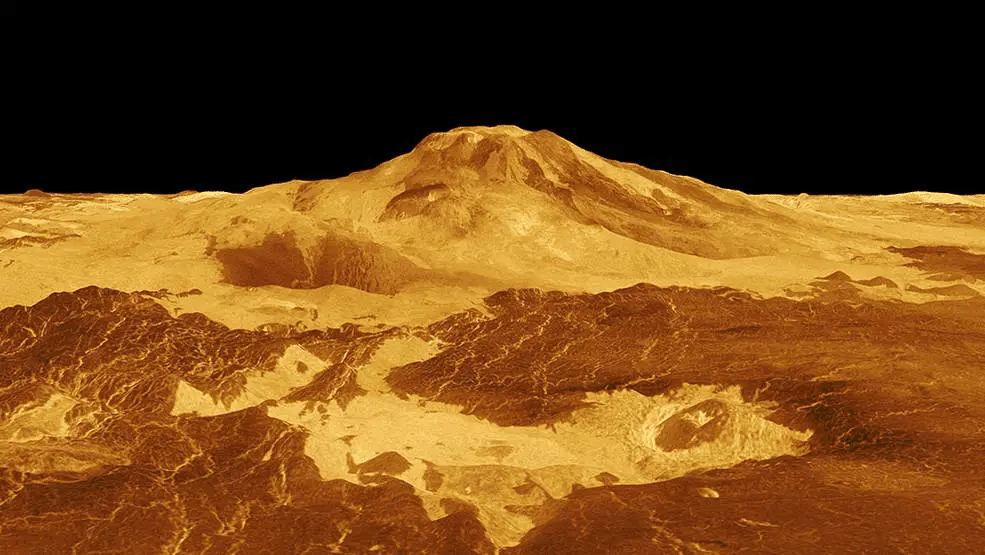
The research holds major significance for upcoming Venus missions like NASA’s VERITAS, slated to launch in the early 2030s and anticipated to generate highly accurate maps of Venus’s surface. Understanding and interpreting this data will rely heavily on Earth-based lava flow models such as those derived from Mauna Loa’s eruption.
“Comprehending lava cooling processes sharpens our ability to model volcanic activity detected on other planets,” Flynn emphasized.
By linking cooling timelines, flow dimensions, and thermal imagery, this framework helps identify which Venusian areas could be volcanically active today. It transforms raw satellite observations into actionable geological timelines, marking a promising advance in confirming active eruptions beyond Earth.
- Categories:
- Science



0 comments
Sign in to Comment