
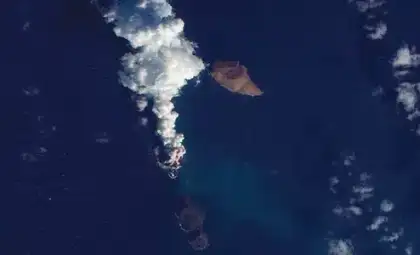
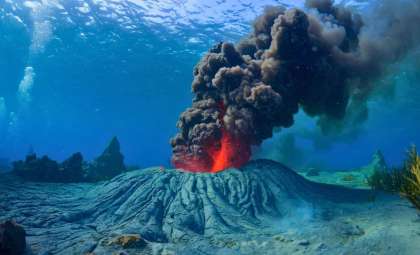
A monumental volcanic event beneath the southwest Pacific has been verified as the most extensive eruption ever documented on the ocean floor. The 2012 explosion at the Havre volcano, located near New Zealand, generated an expansive field of pumice and lava layers that researchers have only recently been able to comprehensively chart.
Initially reported as an unusual floating accumulation observed by sailors, this was, in fact, the visible evidence of a massive geological upheaval. Persistent seabed investigations over several years uncovered the full magnitude of the eruption, concealed almost a kilometer beneath the ocean’s surface.
Charting a Subsea Volcanic Crack
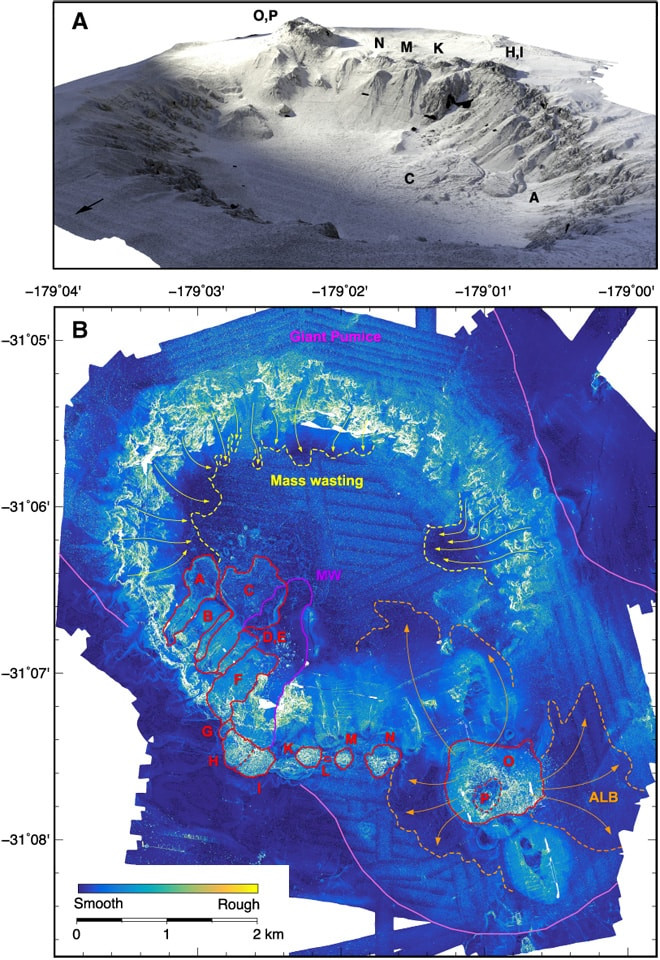
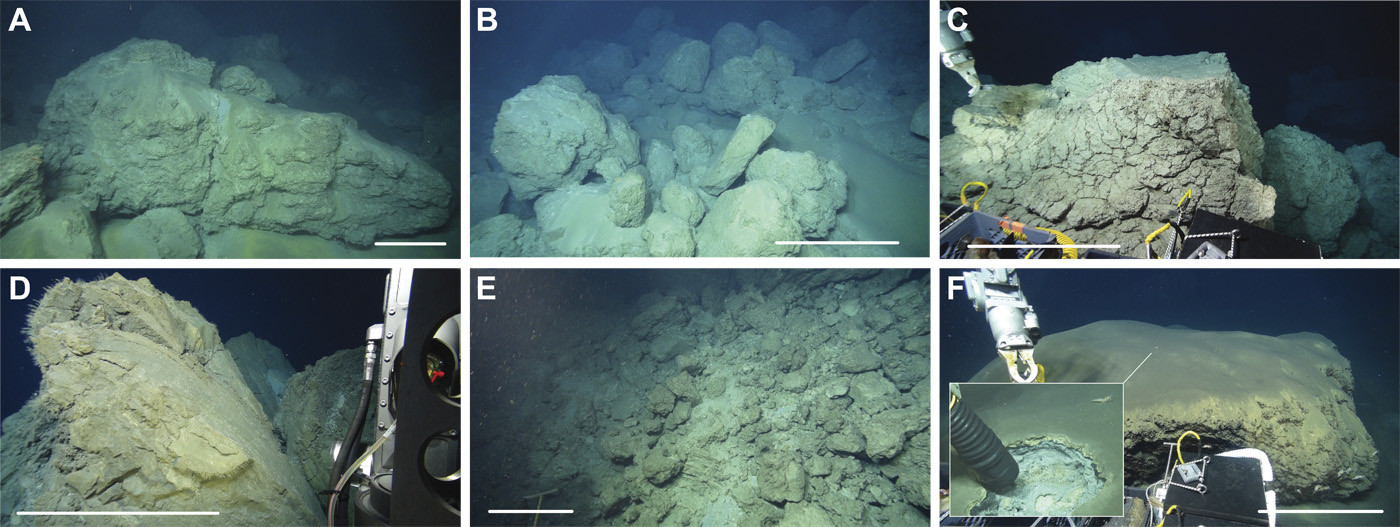
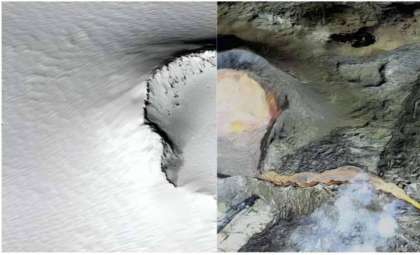
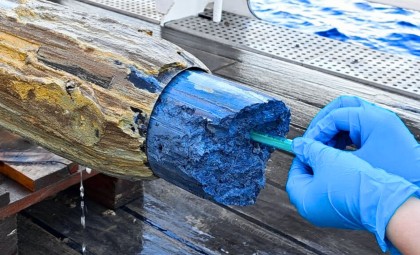
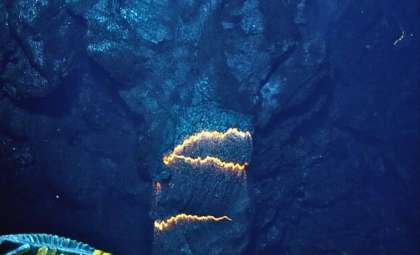
The Havre explosion involved 14 joined vents creating an enormous fracture on the seabed. The research, featured in Science Advances, detailed how scientists carried out approximately a dozen survey expeditions, each lasting between 8 and 12 hours, to develop advanced maps of the area. These detailed scans allowed deployment of a tethered remotely operated vehicle that provided direct views of eruption formations and enabled collection of samples.

These maps and firsthand observations have granted unprecedented insight into the dynamics of major underwater volcanic eruptions. As volcanologist Rebecca Carey from the University of Tasmania stated:
“For the first time we are able to constrain exactly what happened, where it happened, at what depth, how much and how fast it erupted,” she explained.
Comparable in Size to History’s Largest Terrestrial Eruptions
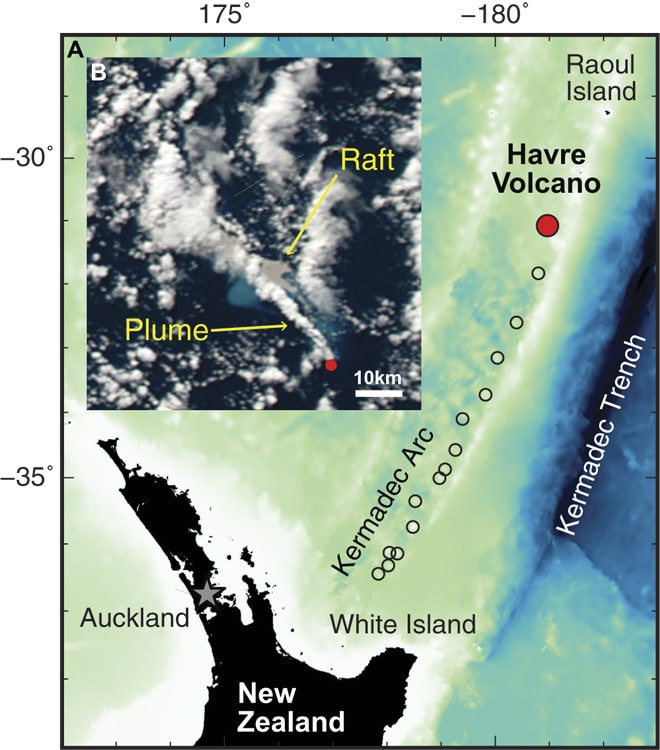
The Havre eruption rivaled some of the most powerful volcanic events on land during the 20th century. It produced an immense pumice raft that ascended through the ocean and was carried across hundreds of square kilometers by prevailing winds and sea currents.
This discovery highlights that underwater volcanoes are capable of eruptions as massive as those on land, contradicting previous assumptions that submarine volcanic activity is generally smaller in scale.
“When this rock was produced by the volcano, it rose through the water column onto the sea surfaced and then it was dispersed by wind and sea currents.” said Carey,
Impact of Submarine Volcanism on Ocean Systems
Undersea volcanoes introduce both heat and chemical nutrients to their surrounding waters, which sustain diverse marine ecosystems. Sources indicate that analyzing the Havre eruption grants new understanding of how these underwater events influence ocean chemistry and life.
The team stressed that findings from the Havre volcano will advance exploration of key mysteries concerning submarine volcanic behavior and their environmental interactions. Carey described the eruption as a “cornerstone event”, enabling quantitative study of underwater volcanic phenomena and providing a rare glimpse into a largely hidden part of Earth’s geology.
- Categories:
- Science




0 comments
Sign in to Comment