
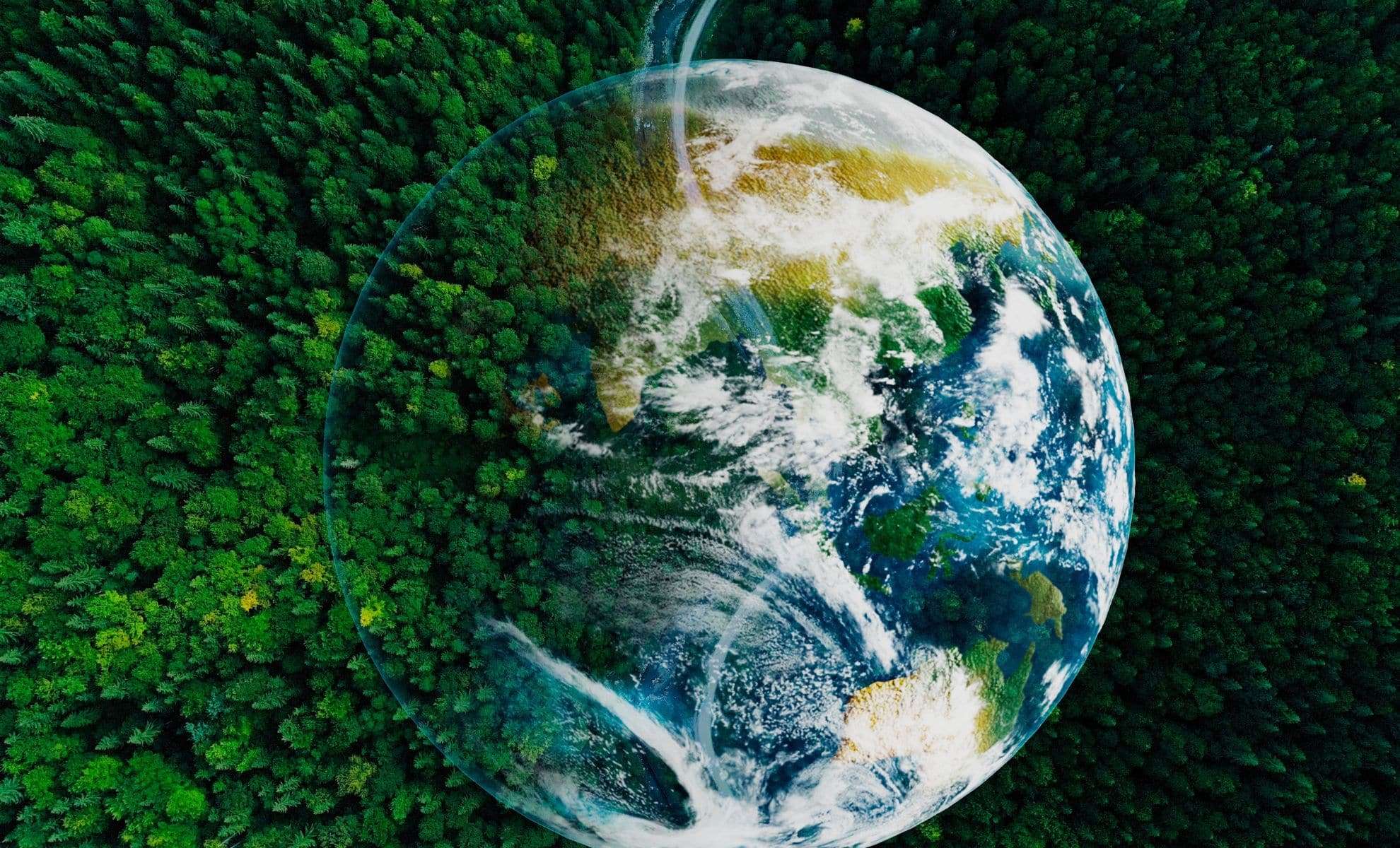
Over the past two decades, Earth’s ecosystems have experienced notable shifts. From 2003 to 2021, photosynthesis on land has intensified, resulting in a greener planet. Yet, this encouraging trend contrasts sharply with the weakening health of marine environments.
Land Vegetation Sees Expansion
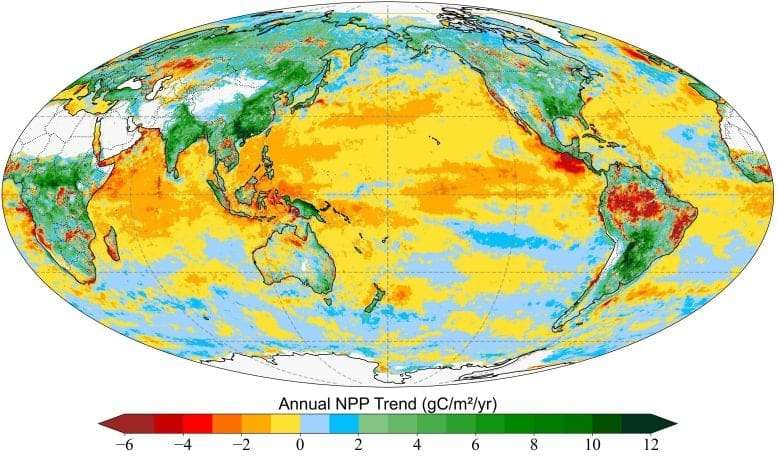
Global photosynthetic activity has grown considerably between 2003 and 2021, largely driven by thriving terrestrial plant life. A recent article in Nature Climate Change highlights how warming temperatures have extended growing seasons, enabling land ecosystems to absorb more carbon. This increase in photosynthesis is particularly evident in northern and southern high-latitude environments, where prolonged growth periods have allowed plants to flourish.
Duke University researcher Yulong Zhang emphasized the critical role of photosynthesis, stating, “Net primary production forms the basis of all food webs, supports ecosystem vitality, supplies humans with essential resources, reduces human-driven carbon footprints, and contributes to regulating our planet’s climate.”

Oceans Struggle to Keep Up
While terrestrial photosynthesis is on the rise, oceanic photosynthesis has diminished, especially in tropical and subtropical zones. The study reports a yearly loss of approximately 0.1 billion metric tons of carbon captured by marine primary producers between 2003 and 2021. The Pacific Ocean has been hardest hit, where increased sea surface temperatures have disrupted the growth of key marine algae species that form the base of the oceanic food chain.
Phytoplankton, microscopic marine plants essential to carbon cycling, are struggling in warmer surface waters. Elevated temperatures have caused nutrient-rich, cooler waters to become trapped below warmer surface layers, inhibiting vital ocean mixing that supports these organisms’ survival.
Marine Ecosystems and Climate Variability
The findings reveal the oceans’ sensitivity to climate variability events such as El Niño and La Niña. Unlike steady terrestrial gains, ocean primary production fluctuates markedly, with intense climate episodes, notably La Niña, reversing marine trends post-2015. These patterns demonstrate the ocean’s heightened vulnerability compared to land ecosystems under rapid climate shifts.
“Ocean primary production is far more reactive to El Niño and La Niña cycles than terrestrial photosynthesis,” stated Shineng Hu, a climate dynamics researcher at Duke University. This underlines the delicate nature of oceanic ecosystems amid changing climatic conditions.
Implications for Global Ecology
The research cautions that although terrestrial ecosystems partially offset marine productivity losses, long-term consequences for biodiversity are possible. Tropical regions are particularly at risk, where stagnating or decreasing productivity on both land and in oceans threatens the integrity of food chains. This disruption could negatively affect fisheries, economies, and biodiversity in communities dependent on marine resources.
Additionally, reduced marine photosynthesis in the tropics may weaken these areas’ effectiveness as carbon absorbers, potentially diminishing Earth’s overall ability to mitigate climate change and exacerbating global warming in the future.
- Categories:
- News









0 comments
Sign in to Comment