
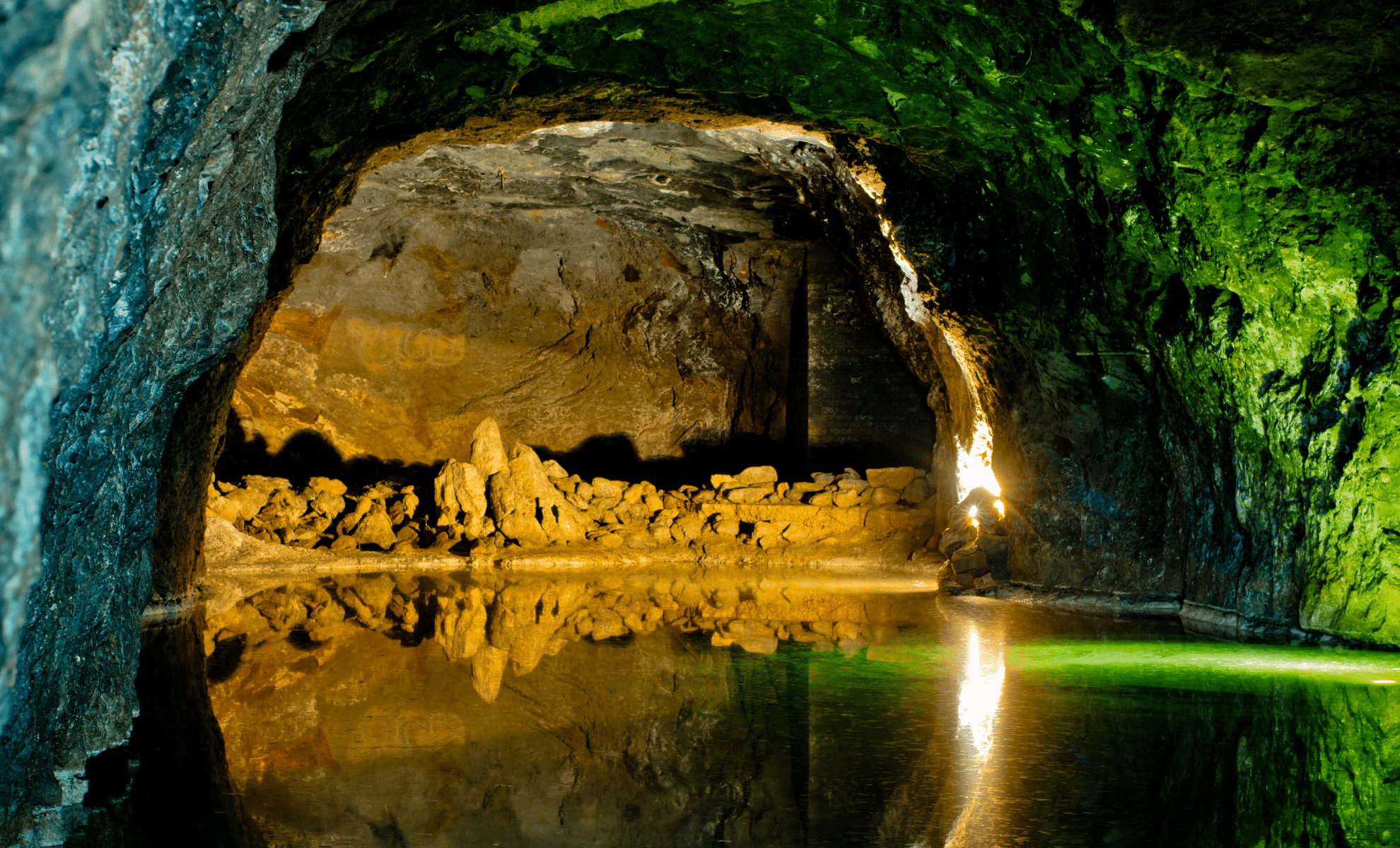
Deep beneath the Smoky Mountains, roughly 50 miles south of Knoxville, lies a remarkable natural marvel—the Lost Sea, recognized as the U.S.'s largest underground lake. This captivating subterranean lake draws thousands of explorers each year, eager to experience a unique blend of nature’s wonders and historical significance. As detailed in a CBS News report, the Lost Sea continues to intrigue adventurers with its mysterious allure and breathtaking beauty.
Tracing the Roots of the Lost Sea
The Lost Sea rests 140 feet below the earth's surface, holding the title of the largest underground lake in the United States. It also plays an important role in Tennessee’s cultural history. The Cherokee people once sought refuge in this cave network during the 1820s, and later, its minerals became vital during the Civil War. Confederate troops extracted these resources to manufacture gunpowder, weaving the cave’s natural features into the fabric of history.
Local guide Savannah Dalton, whose family heritage is closely tied to the cave system, shares her perspective on its historical value: “This place holds a deep history… it’s a sight you don’t encounter every day.” Beginning her involvement at a young age, Dalton vividly brings this legacy to life, passing down stories that have echoed through generations.

The Origins of the Lost Sea's Discovery
The Lost Sea was uncovered in the early 1900s by 13-year-old Ben Sands, whose daring adventuring led him through a narrow tunnel no wider than a tire, extending 40 feet into the cave. Upon reaching the water, he encountered what would later become known as the Lost Sea. Initially modest in size, Sands waded through shallow waters knee-deep. Eventually, the lake was expanded using controlled blasting to better accommodate the influx of visitors. Dalton recounts this historic event:
“The lake was discovered by Ben Sands, a 13-year-old boy who had actually crawled through a tunnel that was the size of a bicycle tire for 40 feet before he dropped down into the lake itself.” His discovery opened the door to one of Tennessee’s most intriguing natural wonders.
Experiencing the Lost Sea by Boat
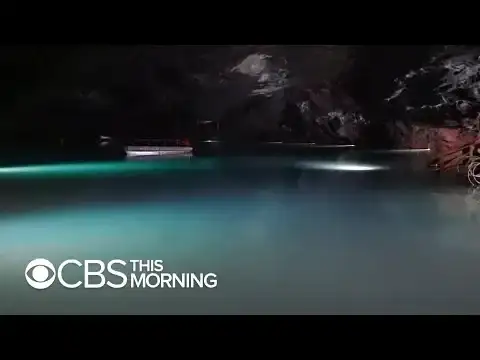
Each year, nearly 150,000 visitors are drawn to the Lost Sea, eager to embark on a boat excursion across its pristine, chilly waters. The serene boat tour offers guests a unique opportunity to observe the lake’s ecosystem, including a thriving population of close to 300 rainbow trout. These fish have uniquely adapted to their dark cave habitat, exhibiting diminished coloration and eyesight, traits uncommon in surface-dwelling species.
As the boat glides over water reaching depths of 70 feet, visitors are immersed in the quiet majesty of this hidden world. Dalton reflects on the experience: “Watching people’s faces light up when they see this for the first time is truly incredible.” Her enthusiasm as a guide enhances the memorable journey for all guests.
The Lost Sea’s Enduring Legacy
Beyond being a natural treasure, the Lost Sea embodies a vital chapter in America’s historical and ecological story. From its use by the Cherokee community to its strategic minerals in the Civil War, this subterranean lake connects visitors with Tennessee’s rich past. Today, it remains a prized landmark, offering educational and awe-inspiring experiences alike.
For Dalton, who has been guiding tours for over seven years, the site holds a special place in her heart. She recalls her first visit: “I was just six years old when I first explored these caves with my grandmother and older brother.” This personal bond adds a profound depth to the stories she shares with every visitor.
- Categories:
- News






0 comments
Sign in to Comment