
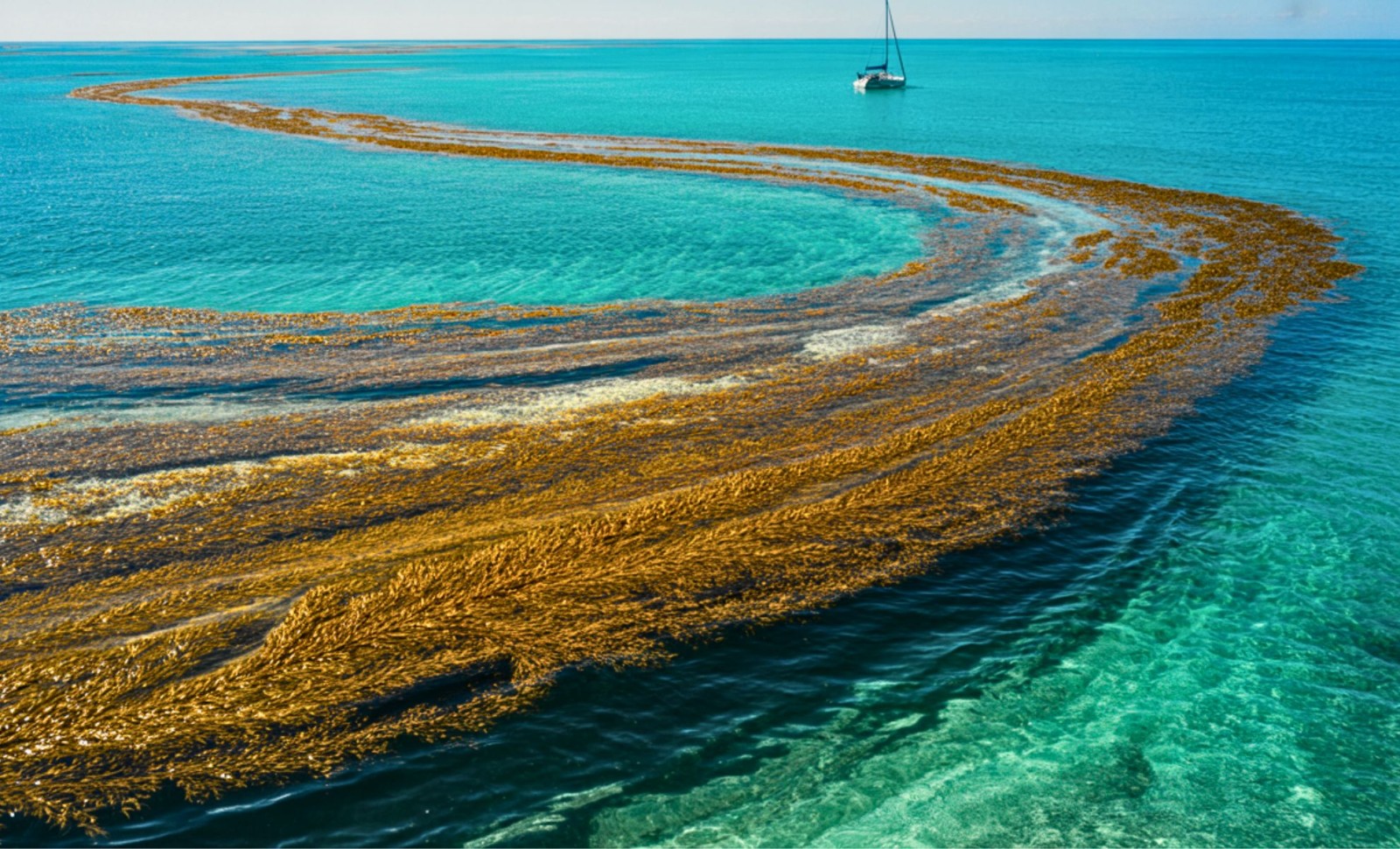
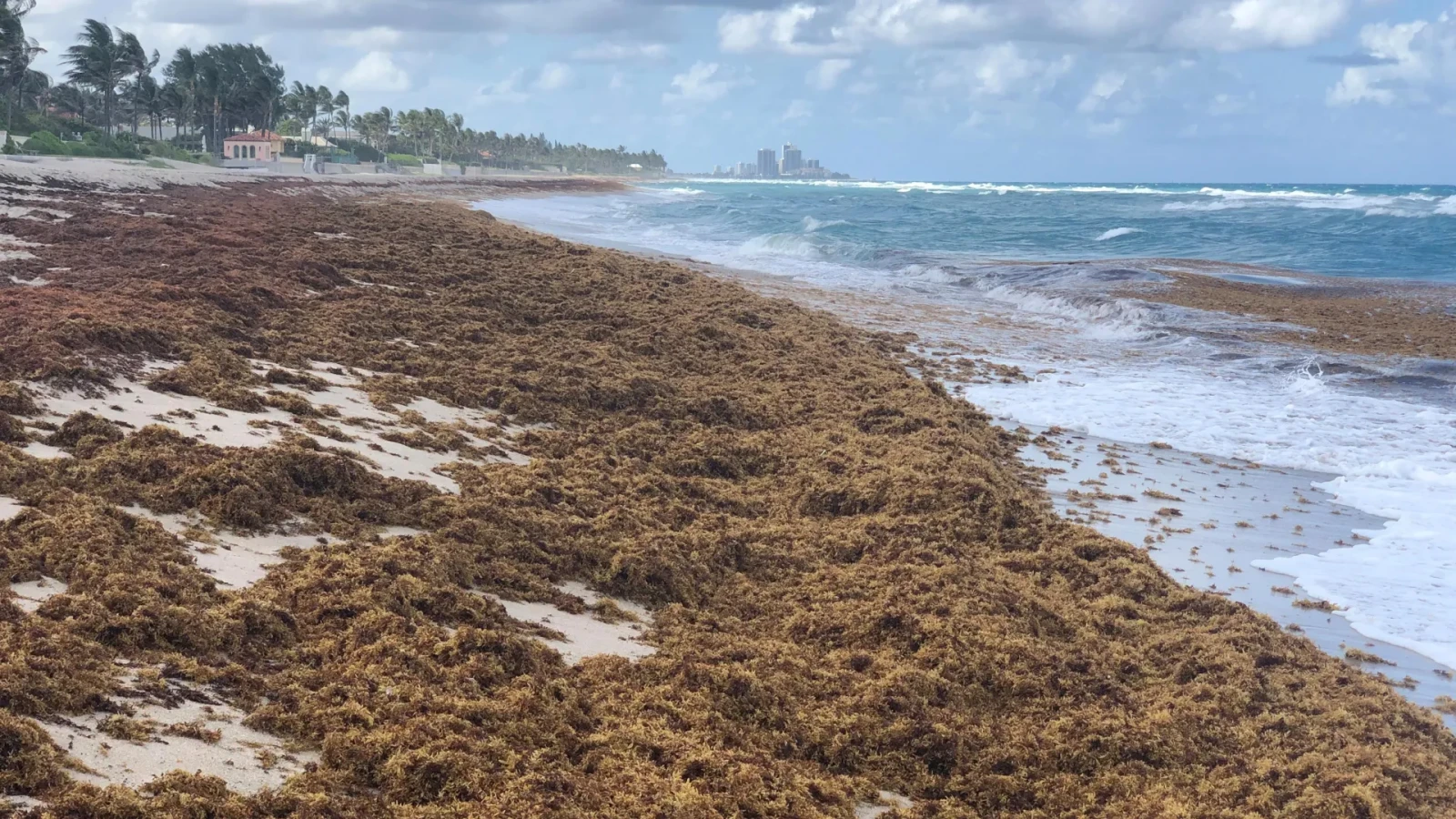
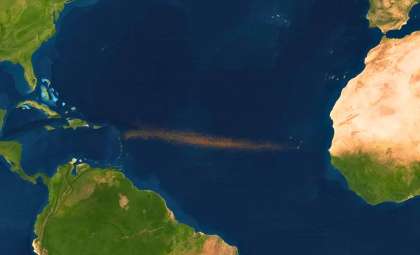
Each year, the Caribbean and Gulf of Mexico attract countless visitors eager for idyllic beaches. However, more often than not, they encounter vast stretches of decomposing seaweed emitting a strong sulfur scent and coating shores in dense, brown layers. This phenomenon is caused by the Great Atlantic Sargassum Belt, an enormous floating aggregation of seaweed that now extends over 5,000 miles across the Atlantic Ocean.
The bloom has surged in recent times, disrupting marine ecosystems, harming coastal economies, and raising new health issues. In 2025, scientists documented a record-breaking accumulation exceeding 38 million metric tons of floating Sargassum, a genus of brown macroalgae in the Atlantic region. This event has shifted from a seasonal occurrence to a persistent presence with widespread effects.
Historically confined to the Sargasso Sea, the seaweed now carpets shorelines spanning from West Africa to the Yucatán Peninsula, inundating tourist areas, damaging coral habitats, and incurring extensive cleanup expenses. The factors driving this expansion delve deeper than surface observations, revealing a complex interplay of land-based nutrient pollution, oceanic currents, and biological cycles that suggest continued growth in the coming years.

Unprecedented Expansion of the Atlantic’s Largest Seaweed Bloom
The Great Atlantic Sargassum Belt, clearly visible from orbiting satellites, first appeared in its present form around 2011. It has since reappeared almost annually, each year growing larger and more frequent. Data from the University of South Florida’s Sargassum Watch System verified that May 2025 experienced the bloom's greatest extent recorded to date, with biomass far surpassing any previous measurements.
Scientists at Florida Atlantic University’s Harbor Branch Oceanographic Institute have observed notable changes in nutrient content within the algae over the last 40 years. Nitrogen concentrations in Sargassum samples have risen by more than 50%, linking its growth to agricultural runoff, wastewater discharge, and deforestation-related nutrient influx from the Amazon River Basin. These nutrient inputs have created nitrogen-enriched waters where the algae can flourish far beyond its traditional habitat.
A comprehensive 2025 analysis in Harmful Algae combined field data, chemical tests, and satellite observations to chart the bloom’s origins. The study confirmed a direct relationship between nutrient pollution from the land and the emergence of vast offshore seaweed gatherings, highlighting how inland activities trigger changes throughout ocean basins.
Synergistic Nutrient Cycles Fuel Rapid Algal Proliferation
The breakthrough in unraveling this mystery came from a 2025 report in Nature Geoscience authored by the Max Planck Institute for Chemistry. Through analysis of coral samples from the Caribbean, researchers uncovered a vital microbial feedback process.
Equatorial deepwater upwelling brings phosphorus-enriched water to the surface, fostering the growth of nitrogen-fixing cyanobacteria living on the surfaces of Sargassum. These microbes convert atmospheric nitrogen into accessible forms that sustain the algae in otherwise nutrient-poor ocean regions.
Nitrogen isotope studies in coral layers revealed a sharp rise in nitrogen fixation rates starting in 2011, closely paralleling the bloom's growth. This combination of abundant phosphorus and microbial nitrogen supply gives these seaweeds a distinct advantage, allowing widespread proliferation even distant from nutrient sources like river outflows.
This insight transforms our understanding of Sargassum blooms, revealing that the algae are not merely reacting passively to pollution but have formed mutualistic relationships that enhance and perpetuate their growth cycles.
The Added Threat of Plastic Debris and Bacterial Colonization
The bloom’s complexity extends beyond nutrient dynamics. In 2023, researchers at Florida Atlantic University identified a troubling new factor: the interaction of microplastics and bacterial populations in sustaining the bloom. They discovered that Sargassum accumulations trap significant amounts of plastic debris, which become habitats for Vibrio bacteria, some strains of which threaten human and marine life health.
Certain Vibrio strains harbor genes linked to diseases such as cholera and other intestinal infections, forming sticky biofilms on plastics embedded in the seaweed. These bacteria not only present health hazards but also secrete waste products that enrich local nutrient levels, creating a potentially escalating “pathogen storm”—a biochemical cycle that promotes further seaweed proliferation.
This bacterial-plastic-seaweed cycle appears to be a significant yet underrecognized driver behind the intensifying Atlantic Sargassum blooms.
Environmental and Economic Toll of The Seaweed Surge
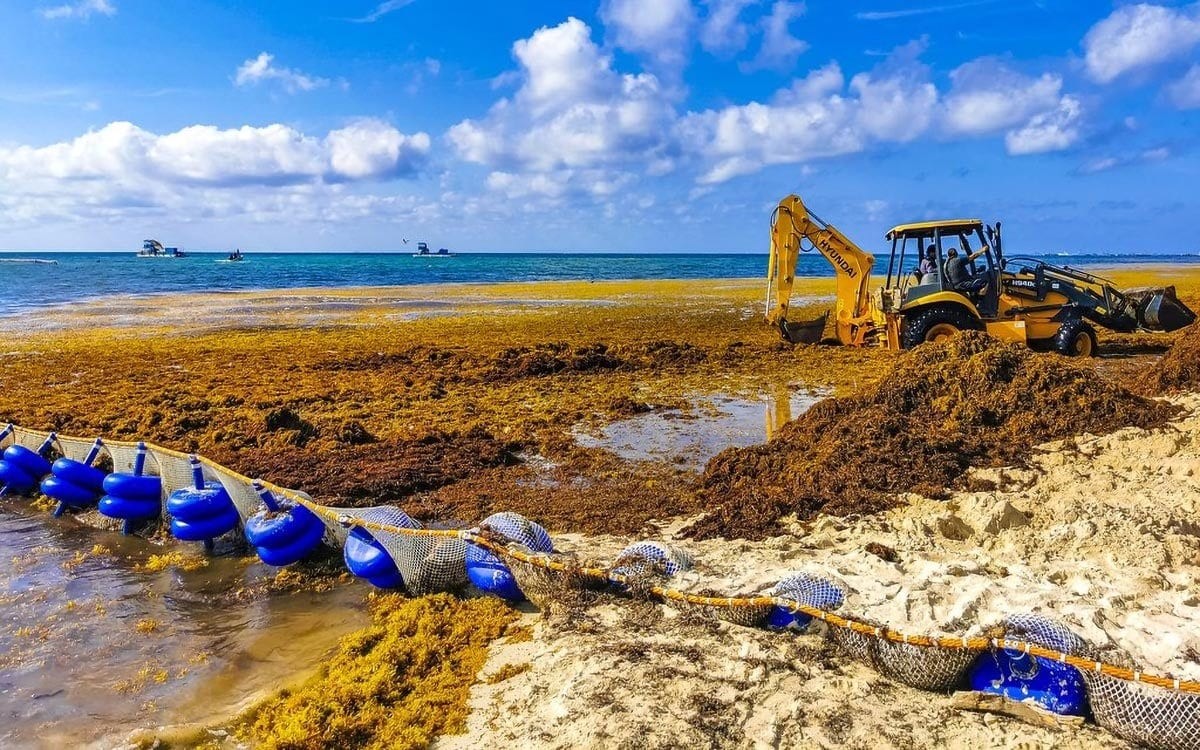
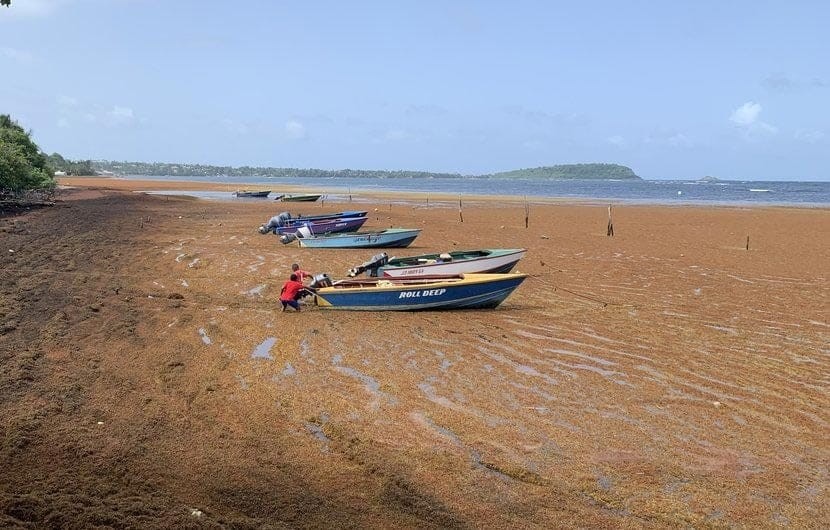
Coastal communities face immediate adverse effects. Decomposing Sargassum emits hydrogen sulfide gas, which smells unpleasantly like rotten eggs and can induce headaches, respiratory irritation, and nausea. Tourist hubs such as Barbados, Playa del Carmen, and regions in Florida invest millions annually in beach clearing efforts—only for the seaweed to return within weeks.
In severe cases, thick seaweed mats clog intake pumps at power stations and water treatment plants, disrupting operations and services. For instance, a bloom in Florida in 1991 caused a temporary shutdown of a nuclear power facility after it blocked critical cooling systems, according to ScienceDaily.
Marine ecosystems are also suffering. Extensive mats shade coral reefs, lower oxygen levels, and create hypoxic conditions detrimental to fish and seagrass, upsetting the ecological equilibrium in shallow coastal waters.
For many Caribbean countries, the Sargassum bloom has evolved into a chronic challenge—arriving with seasonal regularity yet displaying fluctuating intensity.
Future Outlook for the Great Atlantic Sargassum Belt
The factors fueling this bloom—phosphorus-rich upwelling, microbial nitrogen fixation, and nutrient pollution from land—are intensified by broader climate change and shifting ocean dynamics. Rising sea temperatures and altered currents may activate upwelling zones further, potentially amplifying bloom magnitude.
Scientists are developing predictive models that merge satellite observations with isotopic data from coral cores to better anticipate future bloom occurrences and coastal impacts. However, controlling the phenomenon remains challenging amid increasing nutrient inputs and a lack of scalable strategies for safe seaweed removal or reuse.
Attempts to convert the algae into biofuels, fertilizers, or alternative materials have been hindered by its elevated arsenic and heavy metal content, coupled with logistical and regulatory hurdles. Without coordinated multinational efforts, this expansive seaweed belt is likely to keep advancing, affecting marine environments and coastal economies alike.
Visible from space as a drifting green expanse and felt on shore through its foul stench, the Great Atlantic Sargassum Belt continues to reshape coastal life—season after season.
- Categories:
- News









0 comments
Sign in to Comment