
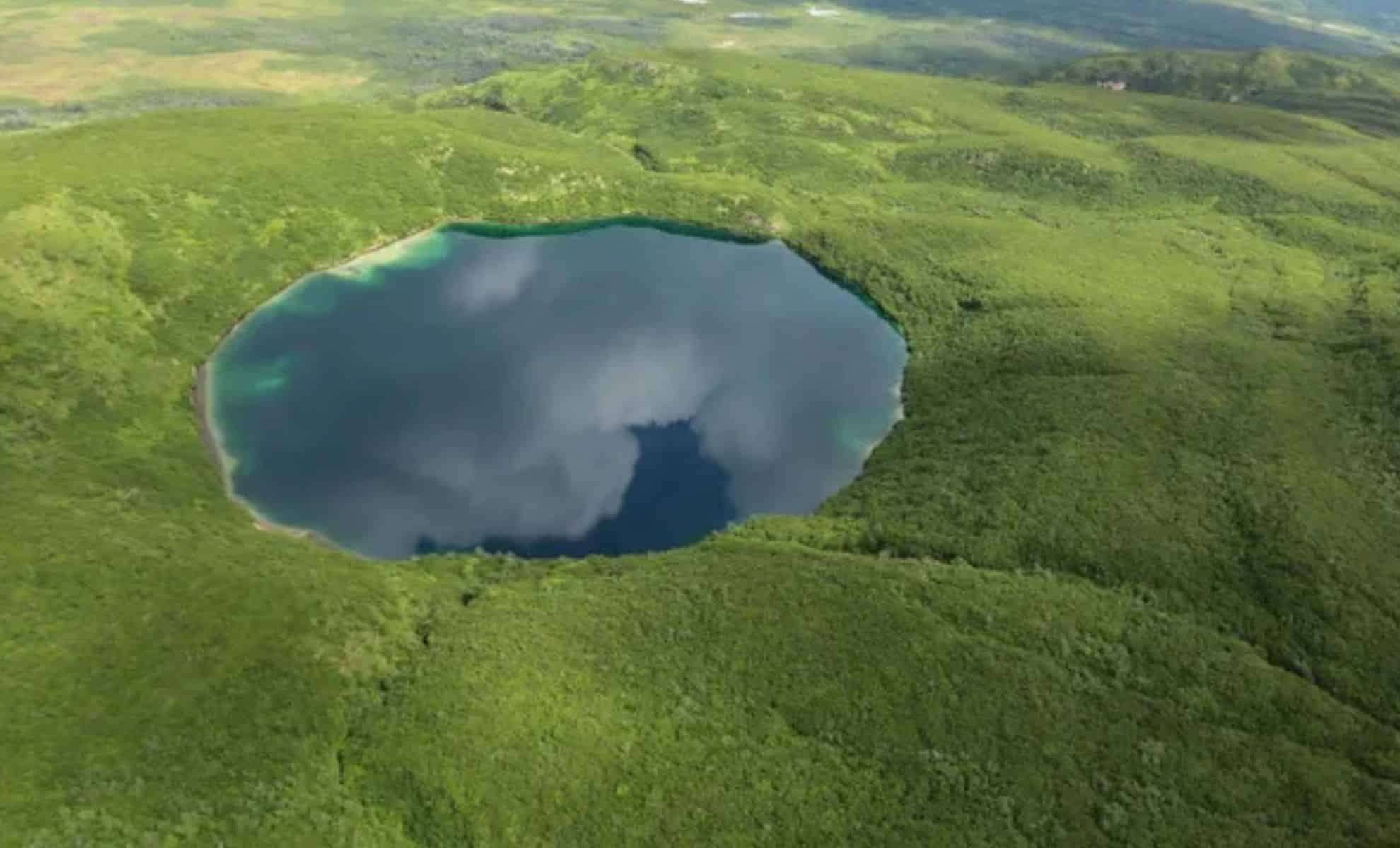
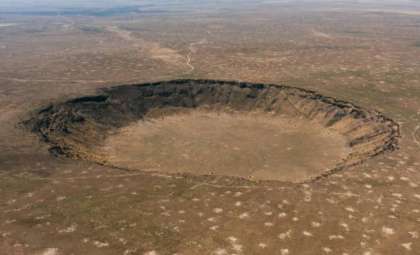
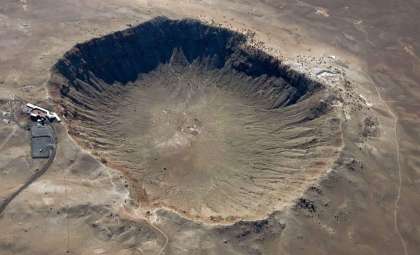
Hidden within the vast wilderness of Katmai National Park in Alaska lies a strikingly circular crater spanning 1,600 feet in diameter that continues to baffle scientists. Known as Savonoski Crater, this immense geological feature looks as though it resulted from a powerful impact or explosion, yet its true origin remains a mystery.
At first glance, Savonoski Crater strongly resembles a meteorite impact crater, distinguished by its smooth, round shape and steep edges. However, despite thorough searches, researchers have found no evidence of meteor fragments or impact-related debris at the site. Another hypothesis suggests the crater might be a volcanic maar, formed when magma interacts explosively with groundwater. The issue with this explanation, however, is the complete lack of volcanic features or vents nearby.
This geological puzzle has left investigators without satisfactory answers. The site has undergone minimal modern scrutiny, and its formation is still one of the most intriguing unsolved questions in Alaskan geology.

Investigations and Theories Over Time
Although the Savonoski Crater has been known for many decades, detailed geological examinations conducted during the 1960s and 1970s failed to conclusively determine its cause. The most recent comprehensive discussion appeared in a 1978 publication from the University of Alaska Fairbanks, which explored multiple formation theories but could not definitively confirm whether the crater was created by an extraterrestrial collision or volcanic activity beneath the surface.
Initially, scientists leaned toward identifying it as an impact crater, given its size and shape align with known meteorite impacts. However, critical evidence such as shocked minerals or meteoritic particles was conspicuously missing, and there was no sign of the typical ejecta blanket that accompanies such events.
When the impact hypothesis lost traction, attention shifted to the idea of a volcanic maar. Such features result when ascending magma contacts shallow groundwater, triggering an explosive release of steam that gouges out a crater. Alaska’s nearby Ukinrek Maars, which erupted intensely over a ten-day period in 1977, serve as a well-documented example. Yet, no volcanic activity or magma sources have been identified beneath or around Savonoski Crater.
Without concrete evidence for either scenario, the crater endures as a geological enigma.
Ice Age Glaciation May Have Hidden Vital Clues
A major challenge in deciphering Savonoski Crater’s history is the extensive glacial activity in the region. It is believed that between 23,000 and 14,700 years ago, extensive ice sheets covered southwestern Alaska during a significant Ice Age. These glaciers could have erased key surface evidence, smoothing the terrain and obscuring signs of either an impact or volcanic explosion.
This glacial hypothesis might explain the absence of recognizable geological markers normally associated with such formations. However, some researchers suggest that deeper layers beneath the crater could still harbor the answers. Undertaking core drilling through the crater’s center might uncover hidden rock strata that reveal its true genesis.
An Ongoing Geological Mystery
Despite extensive questioning over many years, the origin of Savonoski Crater remains unresolved. While the majority of experts suspect it formed either from a meteorite collision or a volcanic explosion, the lack of conclusive geological proof leaves the question open. The possibility that an entirely different process created this formation adds further intrigue.
Should future explorations employ advanced imaging methods or deep drilling, scientists may finally solve the mystery behind this perfectly circular yet unexplained geological feature. Until then, Savonoski Crater stands as a compelling testament to the lingering secrets beneath the Earth’s surface.
- Categories:
- News



0 comments
Sign in to Comment