
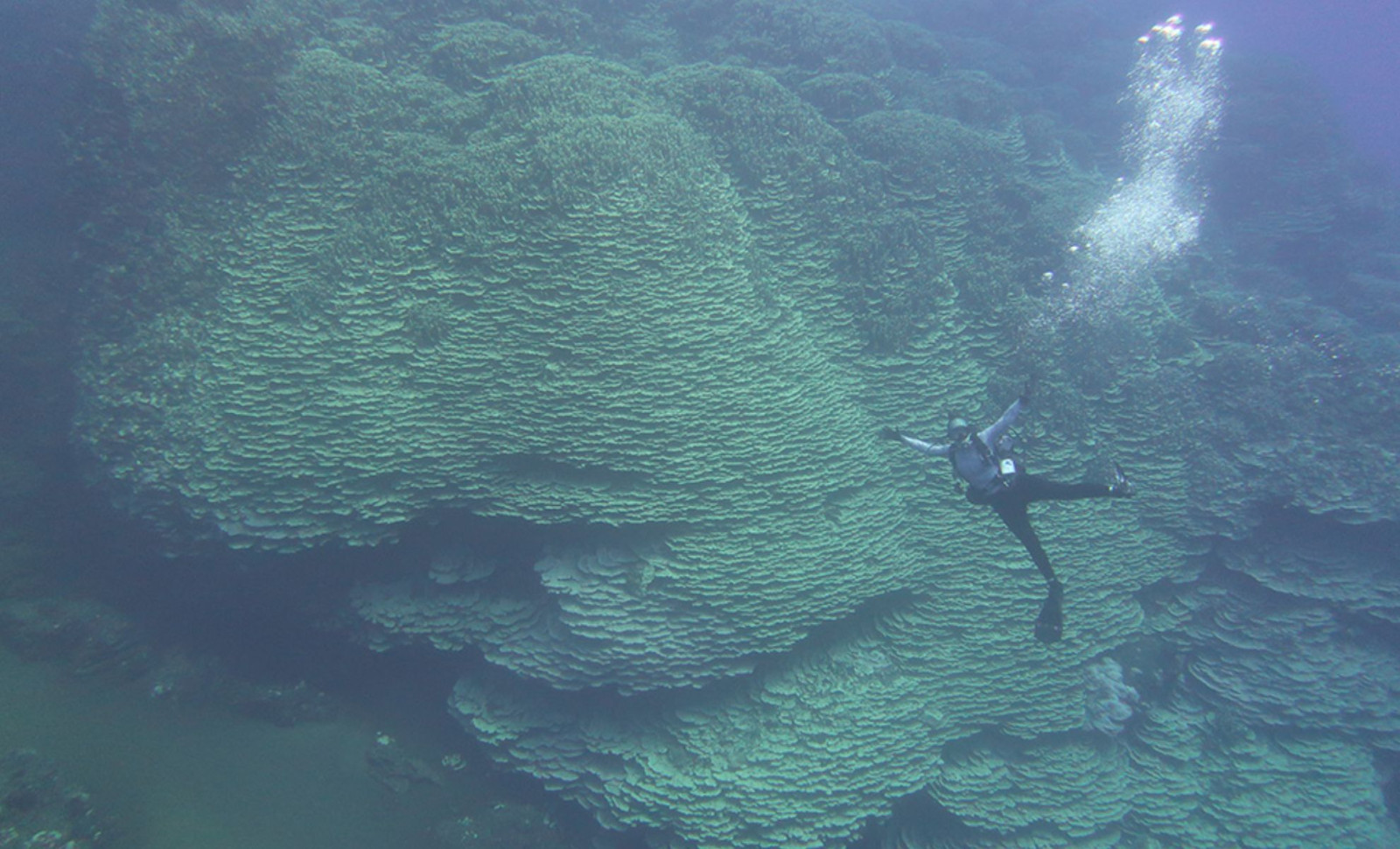
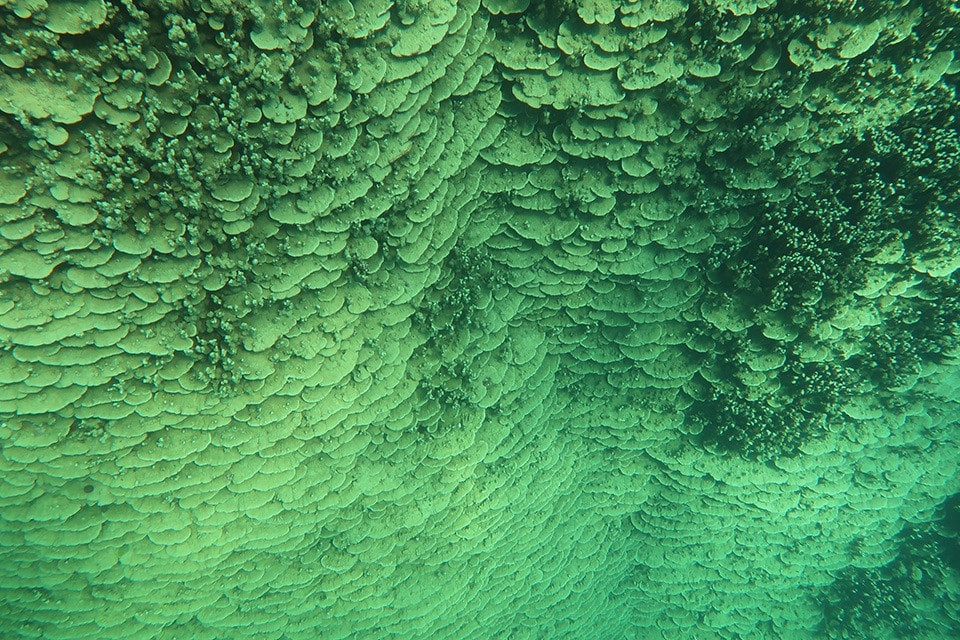
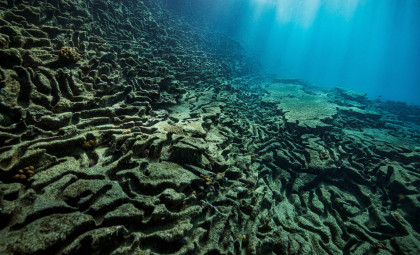
Researchers exploring the distant Maug Islands have uncovered what is now recognized as the largest known colony of Porites rus coral. Amid global reef degradation, this giant formation is remarkable for both its immense size and longevity.
Identified during the comprehensive 2025 National Coral Reef Monitoring Program, this coral had been familiar to locals but never officially measured. Its immense scale and estimated age rank it among the most extraordinary reef structures located in the Pacific region. The find emerged from a submerged volcanic caldera in the Mariana archipelago, an area noted for its unique chemical ecosystem.
An Unprecedented Coral Giant
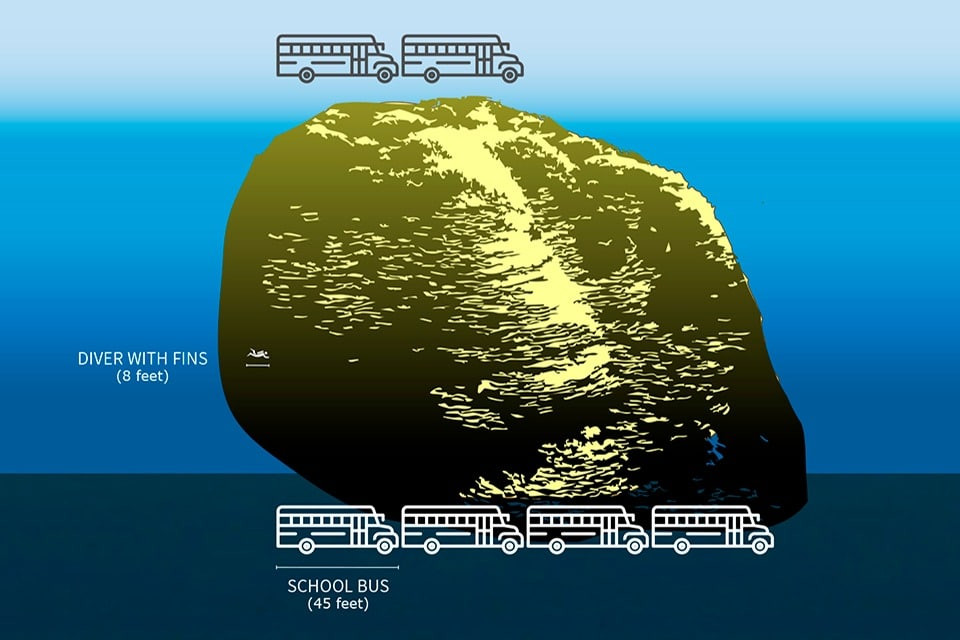
This coral colony spans an area of about 14,500 square feet (1,347 square meters), stretching more than 100 feet (31 meters) across at the surface, and reaching roughly 200 feet (62 meters) in height. According to a NOAA press release, it stands as the largest Porites species coral documented to date. The coral's extraordinary size presented immediate difficulties in assessment. NOAA lead scientist Thomas Oliver noted:

“This coral was so big, we actually couldn’t easily measure it due to dive safety restrictions,” which limited how far and how long researchers could explore the structure.
This structure is over 3.4 times larger than a comparable colony that was documented in American Samoa in 2020. Such a size difference is rare even among Porites corals, a genus that typically forms extensive reef ecosystems.
Hints of a Millennia-Old Coral
Determining the age of this coral is complex. Unlike many corals, Porites rus does not produce distinct annual growth rings used for precise dating. NOAA’s monitoring expert Hannah Barkley explained:
“It is difficult to tell the true age of this coral because it doesn’t produce growth bands like other corals,” she said, “We roughly estimate that Porites rus grows outward about a centimeter per year, so one could imagine that a colony of that size is pretty old.”
Using an assumed growth rate near one centimeter annually, scientists estimate the coral could be upwards of 2,050 years old. This suggests the formation has withstood numerous environmental changes across centuries, but also underscores the limitations of current coral aging techniques that provide only approximate dates.
Unique Ecosystem Shaped by Carbon Dioxide Vents
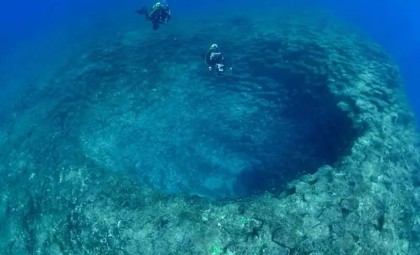
The coral's habitat resides within the Maug volcanic caldera, a site often called a “natural laboratory” due to its carbon dioxide seeps creating localized acidification.
NOAA researchers note these CO2 vents impact only limited zones, while adjacent areas still support flourishing marine ecosystems. The massive reef extends beyond the most severely affected regions, illustrating how drastically ocean chemistry can shift over short distances.
Situated within the Mariana Trench Marine National Monument — founded in 2009 to conserve rare habitats and facilitate scientific investigation — the site is also undergoing efforts to receive a culturally meaningful name through collaboration with Chamorro and Carolinian communities.
- Categories:
- Science



0 comments
Sign in to Comment