
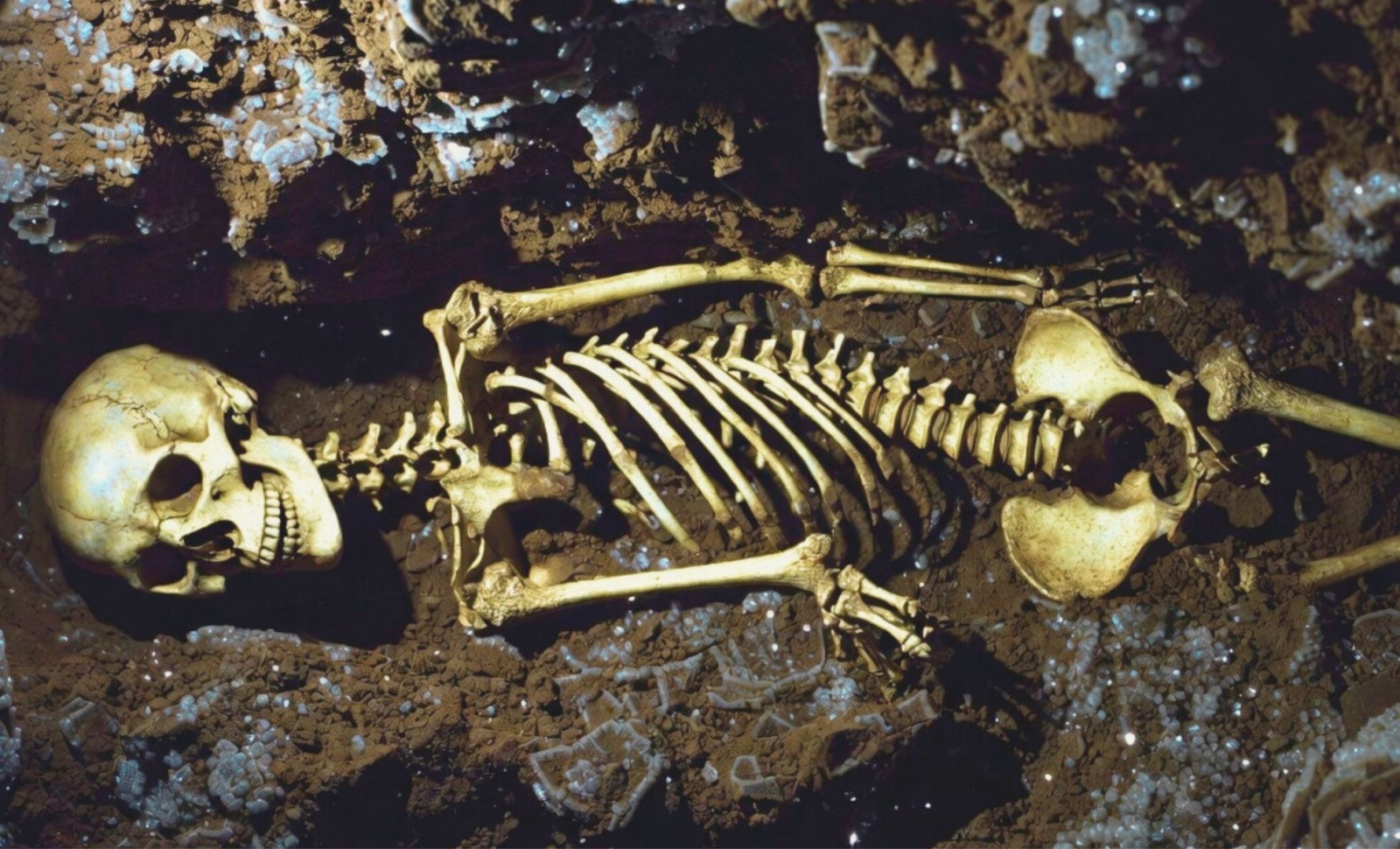
Discoveries from a 4,500-year-old tomb in central Egypt are transforming scientific perspectives on the origins of ancient Egyptians. Within a sealed limestone burial near Beni Hasan, scientists recovered the remains of a man whose genome represents the oldest fully sequenced ancient DNA from Egypt’s Old Kingdom, predating even the great pyramids of Giza.
The individual’s skeleton was carefully preserved inside a large ceramic vessel, with two of his molars holding crucial genetic material. These teeth provided the first successful extraction of complete ancient DNA from an Egyptian civilization long considered too hot and humid to retain such delicate molecules. The genomic data challenges previous notions about Egypt’s early demographic makeup.
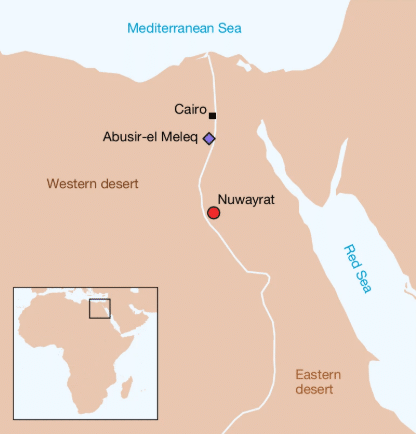
Contrary to expectations of purely indigenous ancestry, the DNA analysis revealed a mixed heritage combining approximately 80% North African lineage with nearly 20% genetic influence from the eastern Fertile Crescent, an area linked to ancient Mesopotamian civilizations. This is the first biological confirmation that people, beyond cultural exchange, migrated between these two foundational societies.

Exceptional DNA Preservation Defies Environmental Challenges
Egypt’s harsh climate has historically obliterated most ancient genetic traces, with previous efforts to recover complete nuclear genomes from Old Kingdom-era remains proving unsuccessful. However, this individual's interment within a rock-cut tomb protected by ceramic vessels created a perfect environment for DNA preservation.
Under the guidance of scientists from Liverpool John Moores University and the Francis Crick Institute, DNA was painstakingly extracted from the cementum layer of two teeth, known for its resistance to environmental damage. The genome was sequenced at approximately twofold coverage, an impressive depth given the sample’s ancient and degraded state.
The genetic dataset displayed hallmark indicators of authenticity: minimal contamination and typical chemical modifications seen in ancient DNA. This constitutes the most reliable and oldest genome from ancient Egypt, surpassing previous mummy studies by a millennium.
The individual’s genetic heritage aligns with populations from Neolithic North Africa, especially those linked to prehistoric Morocco, while also including a genetic signature from eastern Mesopotamian groups within the Fertile Crescent, known for early agricultural innovation.
Earth.com reported isotope testing that confirmed this man spent his upbringing in the Nile Valley, supporting the theory that his Mesopotamian ancestry arrived many generations earlier in the region.
Tracing Human Movement Beyond Cultural Influence
For years, scholars have observed parallels in artifacts, ceramics, and early city planning between Old Kingdom Egyptian sites and those of Mesopotamia. Yet direct evidence of population movement linking these cultures was lacking until now.
A 2017 study published in Nature Communications analyzed partial genetic material from 90 mummies spanning over 1,300 years and suggested closer ties to Near Eastern groups than to sub-Saharan African populations. Nevertheless, those genomes came from later time periods and lacked full sequencing.
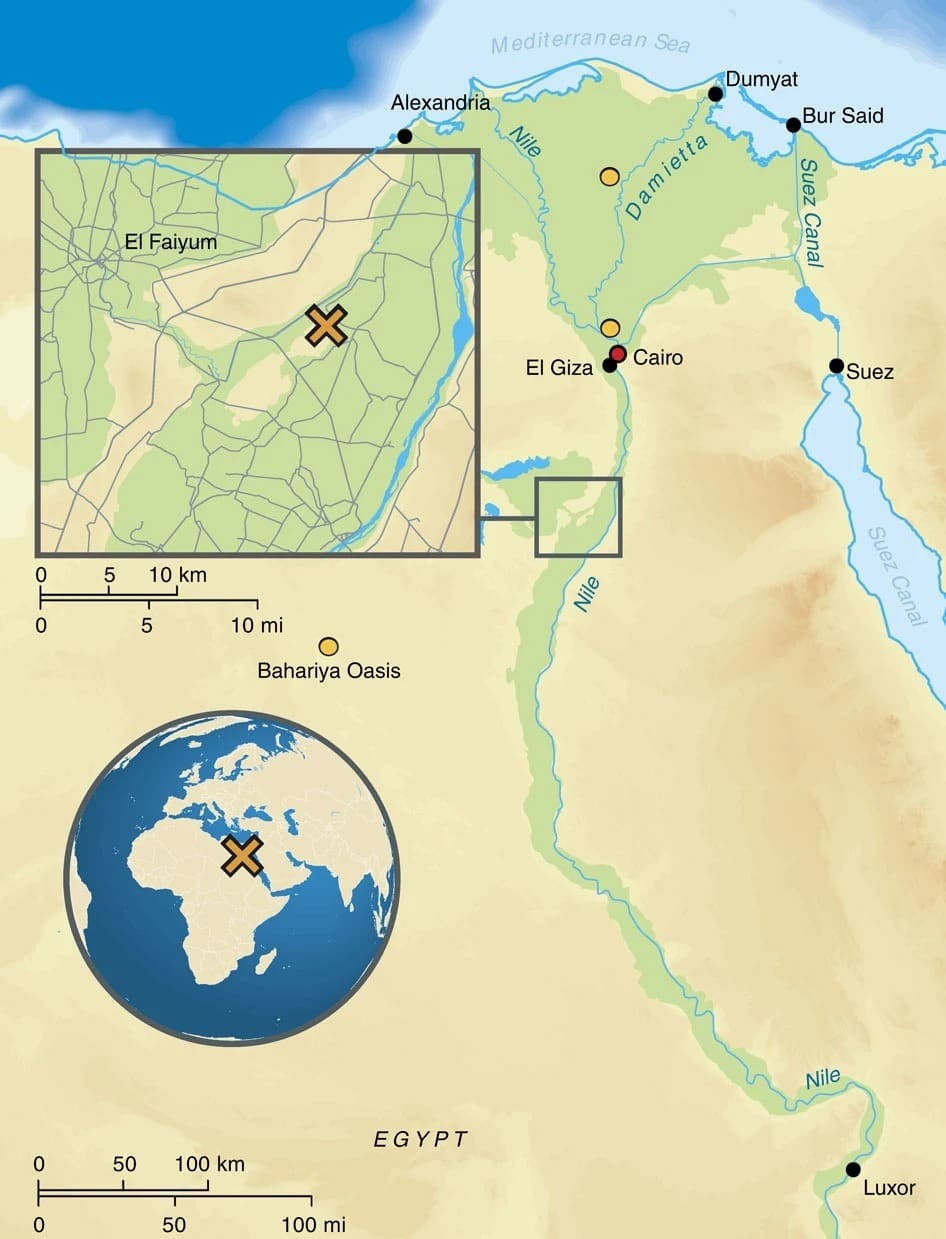
This new genome offers a crucial missing piece. Dated via radiocarbon methods between 2855 BCE and 2570 BCE, the DNA provides the earliest nuclear evidence of ancestral blending from multiple continents within Egypt. Analytical models confirmed the genetic makeup was not from a single source but represented a dual lineage combining native African and Mesopotamian elements.
These findings correspond with archaeological data that situate Egypt within an early framework of interregional connections influencing the rise of complex civilizations.
Insights from Skeletal Remains
Although respectfully interred in a protected rock-cut tomb, the man’s bones revealed indicators of long-term physical labor. Joint wear in the knees, hips, and arms suggests repetitive strain, potentially from intensive craftsmanship. The skeletal evidence points to an artisan, possibly a potter, consistent with the stresses of hours spent seated at a wheel.
Interestingly, despite the physical hardships evident in his skeleton, his burial quality—including placement within a sealed ceramic pot inside a limestone tomb—signals elevated social status, perhaps linked to his craft or community role.
This combination of manual workmanship and privileged burial challenges prior assumptions about social hierarchy in early Egypt, hinting at a society where artistry earned significant respect and status.
No Trace of Sub-Saharan Ancestry in the Earliest Genome
The genetic analysis showed no evidence of sub-Saharan African heritage, a result consistent with earlier studies of ancient Egyptian remains. By contrast, modern Egyptian populations carry identifiable sub-Saharan genetic markers, estimated between 14% and 21% in recent surveys.
This suggests that the influx of African genetic material into Egypt occurred much later, likely during the post-Roman period, facilitated by trans-Saharan trade routes and expansive regional contacts. The absence of this ancestry in such an ancient genome establishes a clear timeline for the demographic shifts.
While focused on a single individual from Middle Egypt, the study reveals the deep influence of transcontinental migration patterns shaping North African genetics well before the arrival of later empires and Islam.
- Categories:
- Science







0 comments
Sign in to Comment