
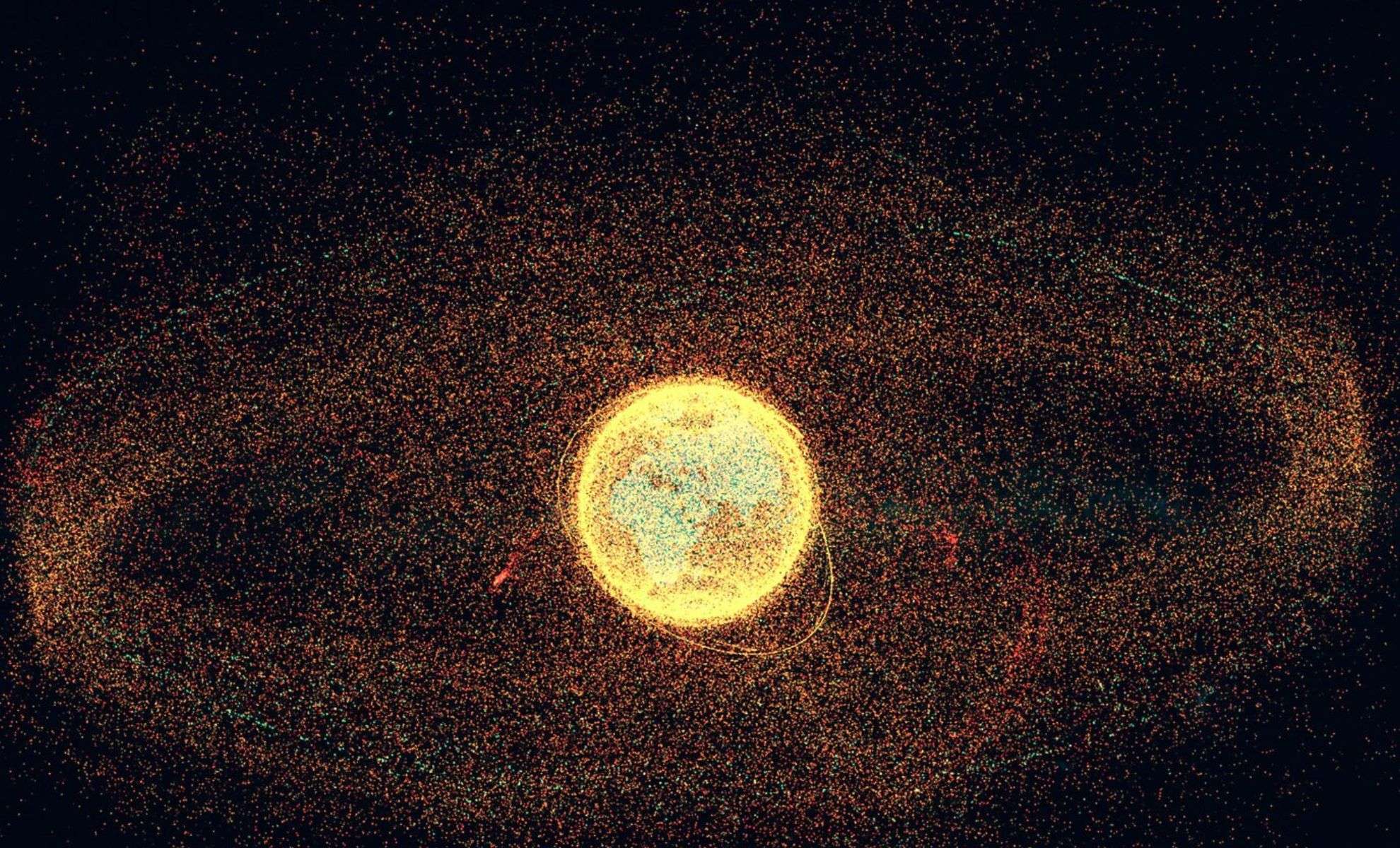
The European Space Agency (ESA) has released a compelling new short film reigniting concern over the mounting dangers created by space debris. Titled Space Debris: Is It a Crisis?, the film debuted on April 1, 2025, at the 9th European Conference on Space Debris, casting light on a precarious situation that experts warn could soon jeopardize Earth’s orbital environment.
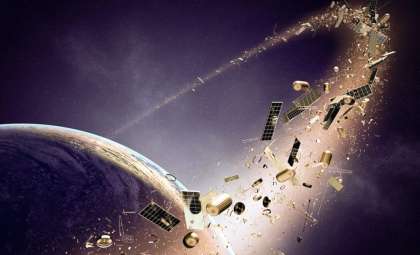
With global reliance on satellite systems intensifying, orbital zones around Earth face increasing congestion and complexity. Debris from past satellite failures, collisions, and spent rocket stages now populate low Earth orbit (LEO), posing a significant threat to active missions and future space activity. ESA’s documentary melds scientific analysis with critical insight, revealing how this issue could soon affect everything from global navigation systems to environmental monitoring and international security.
Escalating Satellite Numbers Strain Orbital Space
Currently, there are over 8,000 satellites functioning around Earth, the majority residing within low Earth orbit, between approximately 160 and 2,000 kilometers altitude. These satellites underpin essential services like GPS, weather forecasting, communications, Earth observations, and defense operations. However, LEO has grown crowded, in part due to the surge in mega-constellations launched by private firms such as SpaceX, Amazon’s Project Kuiper, and OneWeb.

Each new deployment injects dozens or even hundreds more satellites into already congested orbital paths. By early 2025, monitoring systems have tracked over 30,000 pieces of man-made debris. It’s estimated that more than a million fragments larger than 1 centimeter orbit Earth, each moving at velocities often exceeding 25,000 kilometers per hour — speeds capable of destroying satellites upon impact.
This problem intensifies over time: collisions create additional debris, further increasing collision likelihood in a cascading effect known as the Kessler Syndrome. ESA's film highlights this feedback loop as a paramount challenge to orbital safety.
The Growing Perils of Neglect
The documentary stresses that space debris is already an operational hazard, not just a future threat. The International Space Station (ISS) regularly performs collision avoidance maneuvers to dodge potential impacts. Similarly, satellites used for Earth observation and communications frequently adjust their paths, consuming valuable fuel and limiting their operational lifespans.
Historic debris-generating incidents, like the 2009 collision between the defunct Russian satellite Kosmos-2251 and the active U.S. Iridium 33, created over 2,000 trackable fragments. More recently, a Russian anti-satellite test in 2021 produced around 1,500 additional debris pieces, sparking international criticism and exemplifying the geopolitical complexities entwined with space debris proliferation.
ESA warns that such challenges are escalating, complicating launch and deployment maneuvers for new missions due to unpredictable debris movements. Delaying mitigation efforts risks rendering heavily trafficked orbital regions unusable within the coming decades.
Uncharted Effects on Earth's Environment
While most orbital debris eventually burns up during atmospheric re-entry, some fragments survive and fall to Earth’s surface. Larger or more heat-resistant pieces often land in oceans, though occasionally debris crashes onto land.
Notable recent events include the 2022 fall of part of a Chinese Long March 5B rocket in Southeast Asia and the 2024 landing of a SpaceX Starlink component in rural Australia. Although no injuries were reported, these incidents highlight the unpredictability surrounding uncontrolled re-entries.
ESA points out that the environmental consequences of metallic and composite materials entering marine ecosystems remain poorly understood. Concerns include chemical pollution and threats to ocean life, especially as more rocket boosters and satellites are deorbited without controlled disposal methods.
Pathways to Responsible Space Stewardship
The film calls for a unified global approach to prevent further orbital degradation. It stresses the importance of designing satellites with end-of-life disposal methods in place, such as passivation to avoid explosions, controlled re-entry procedures, and minimizing fragmentation risks.
Active debris removal missions are beginning to take shape. ESA’s ClearSpace-1, slated for launch in 2026, plans to capture and remove a defunct payload adapter from orbit. Meanwhile, commercial ventures like Astroscale and Northrop Grumman are pioneering debris cleanup and satellite servicing technologies.
Despite these advances, ESA emphasizes that individual efforts must be complemented by international regulations and industry-wide adoption of debris mitigation practices. Without binding measures and coordinated space traffic management, debris accumulation may outpace removal efforts, jeopardizing the safety and sustainability of orbital operations.
- Categories:
- News









0 comments
Sign in to Comment