

As satellite numbers soar and data exchange intensifies in space, the European Space Agency (ESA) is setting the stage for a dramatic shift in space communications. Scheduled for launch on March 30, 2026, ESA's seven innovative CubeSats aboard SpaceX’s Transporter-16 mission will test advanced technologies such as high-capacity laser communication, inter-satellite networking, and AI-powered onboard processing. These initiatives aim to ease the burden on crowded radio frequencies and usher in a faster, more intelligent, and secure interspace data network.
Advancing the Way Data Travels in Orbit
ESA’s new missions focus on addressing the skyrocketing demand for rapid and reliable data transfer amid the surge of satellites circling Earth. With growing applications in environmental surveillance, maritime tracking, and global communications, the current radio frequency channels are nearing saturation. ESA’s projects aim to pioneer breakthrough methods to surpass these limitations.
Tapping into optical laser communication, ESA plans to revolutionize satellite data exchange. Compared to conventional radio waves, laser links provide faster, more secure, and interference-resistant connections. This technology is poised to enhance the transmission of enormous datasets, including high-resolution imagery and live information essential for climate studies and disaster management.

ESA’s Breakthrough Technologies: CubeSats and Laser Connectivity
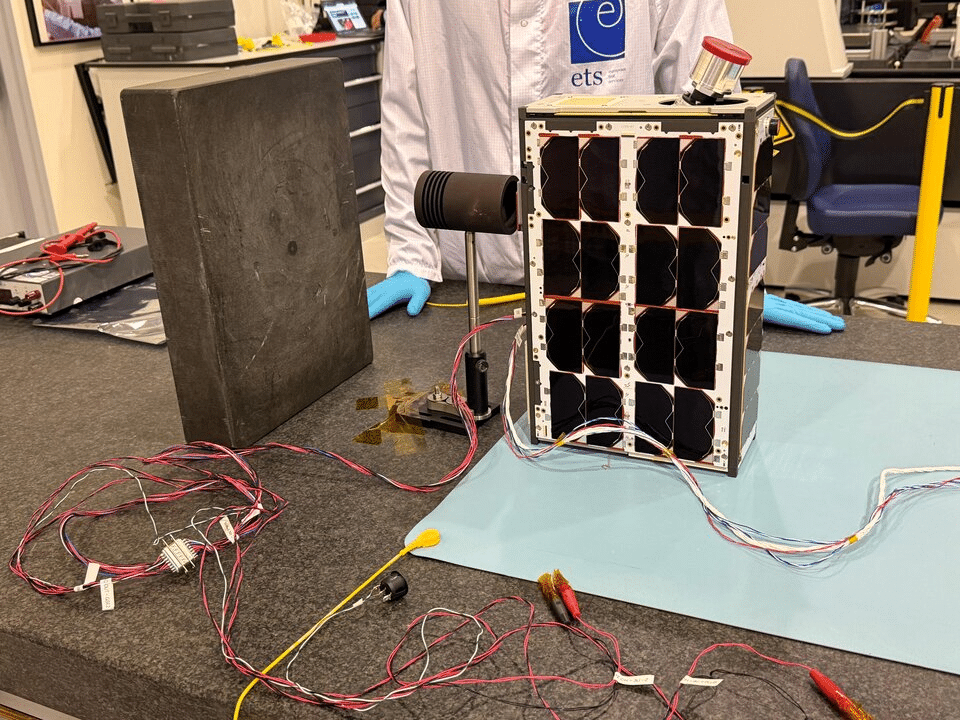
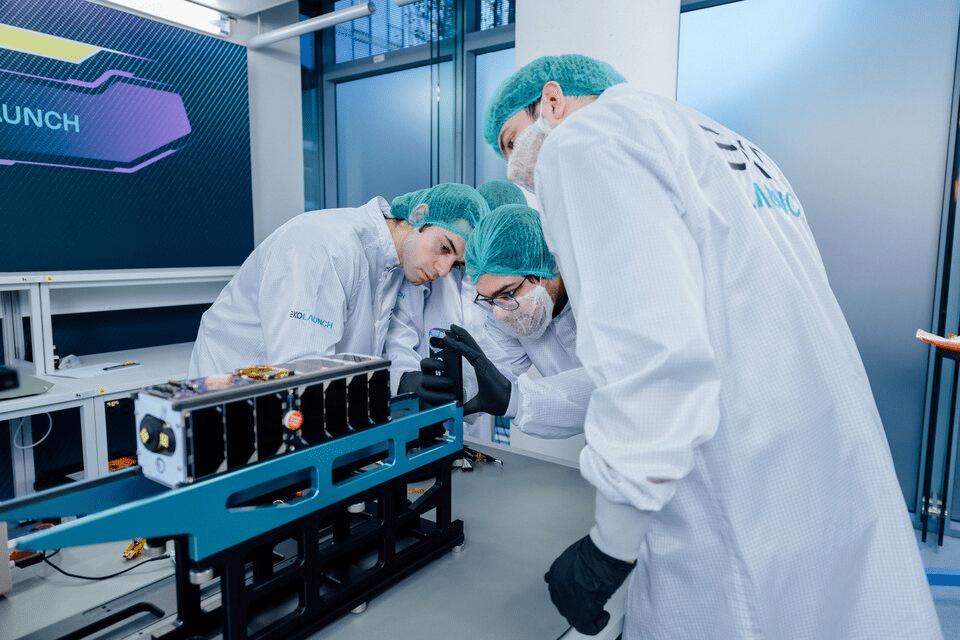
Central to these efforts are CubeSats developed through the Greek Connectivity Programme. Five satellites from Greece will focus on advancing optical communication in space. Among them, OptiSat will deploy the SCOT20 laser communication terminal, crafted by German firm TESAT, to create rapid laser-based connections with fellow Low Earth Orbit (LEO) satellites.
The rest of the Greek satellites, forming the ERMIS Constellation, will showcase a suite of innovative capabilities such as integrating 5G connectivity in orbit and leveraging laser communication to download extensive Earth observation data. These developments hold significant promise for the next generation of satellite networks tasked with managing vast real-time data flows while avoiding communication congestion.
Partnerships with Industry and the Evolution of Space Communication
ESA’s engagement with commercial partners through its Pioneer Partnership Projects is a landmark step toward lowering costs and expanding access to space infrastructure. A mission spearheaded by Spire Global will examine inter-satellite optical links, a crucial technology for creating seamless data relay systems among satellites and Earth stations, removing common transmission bottlenecks.
Additionally, the VIREON mission focuses on delivering detailed Earth observation data daily, enabling continuous monitoring of critical environmental resources like forests, water bodies, and farmland. This capability could transform how we manage planetary health.
Moreover, ESA's collaboration with Belgium's EDGX introduces the concept of "edge computing" in orbit, allowing satellites to preprocess data internally instead of relying on ground stations. This approach could shrink bandwidth demands significantly and accelerate data handling efficiency.
- Categories:
- Space












0 comments
Sign in to Comment