
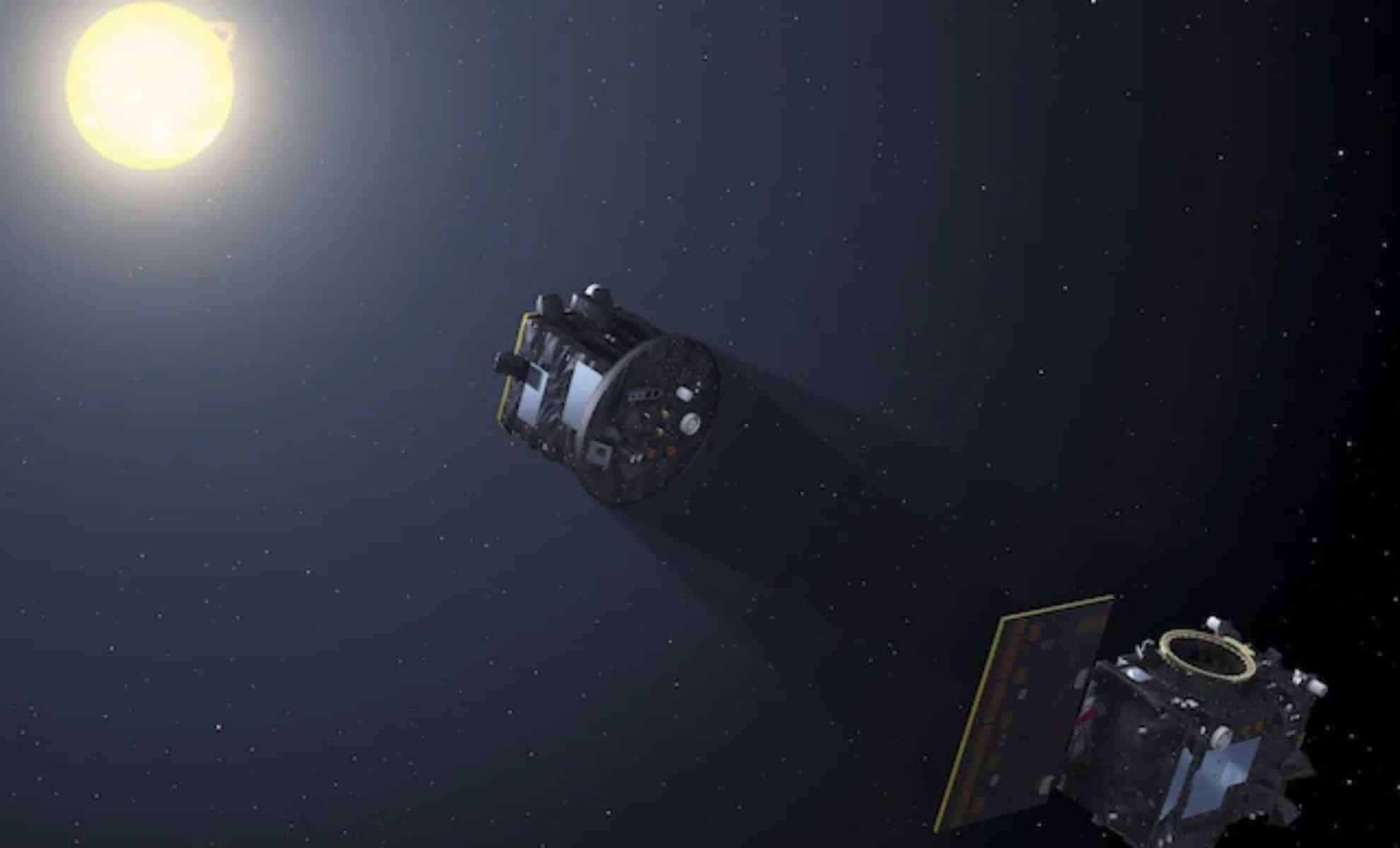
The European Space Agency (ESA) is launching its innovative Proba-3 mission, designed to study the Sun with exceptional detail to better comprehend solar energy output and its influence on Earth’s climate. By employing a novel twin-satellite system, Proba-3 will provide continuous data on total solar irradiance — the energy emitted by the Sun that reaches our planet — while simultaneously capturing high-definition images of the Sun’s extended atmosphere, the corona. This mission is vital for advancing climate science and improving space weather forecasting, promising new insights into solar dynamics that directly affect Earth's environmental systems.
Exploring Solar Energy with the DARA Radiometer on Proba-3
Central to Proba-3's investigation is the Davos Absolute Radiometer (DARA), a state-of-the-art solar instrument developed by Switzerland's Physical Meteorological Observatory Davos (PMOD). DARA precisely measures the total solar irradiance, a key variable driving Earth’s climate. Wolfgang Finsterle, who leads the DARA project at PMOD, explains: “Though once referred to as the ‘solar constant,’ solar energy fluctuates slightly over time. Monitoring total solar irradiance continuously is critical because it represents the primary energy input to Earth's surface.” Even minor changes in solar output can influence global climate, affecting atmospheric conditions, ocean circulation, and weather patterns.
DARA is engineered for high accuracy and durability. It features an internal cavity coated with blackened silver to maximize sunlight absorption. The instrument alternates between capturing sunlight and using an electric heater to maintain the heat in the cavity during measurement cycles, enabling extremely precise irradiance readings. As reported by Earth.com, PMOD’s long history of heliophysics research has refined DARA over decades, ensuring it can withstand millions of observations in orbit. Proba-3 aims to deliver continuous solar energy data, significantly improving solar variability knowledge and climate model accuracy.

Innovative Twin-Satellite Formation Creates Artificial Solar Eclipse
The Proba-3 mission features two satellites — the Occulter and the Coronagraph — flying in tight coordination to simulate a total solar eclipse. The Occulter blocks the Sun’s bright disk, allowing the Coronagraph, trailing behind, to capture detailed images of the faint solar corona. This setup eliminates the overwhelming brightness of the Sun's surface, revealing intricate coronal structures and dynamic phenomena such as solar flares and coronal mass ejections, which have significant impacts on space weather.
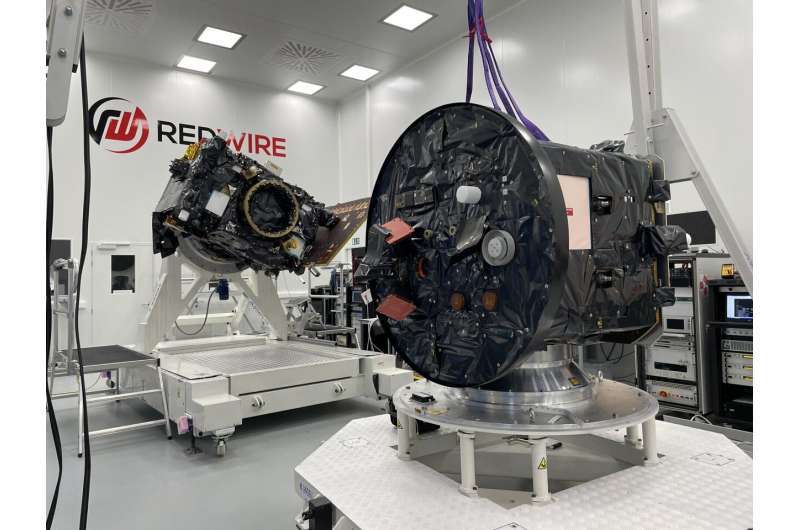
ESA has selected an orbit extending up to 60,000 kilometers from Earth for Proba-3, enabling the satellites to maintain precise alignment over prolonged periods. This vantage point facilitates sustained observations of the solar corona unobtainable from Earth. Studying the outer solar atmosphere aids in understanding solar wind formation, which interacts with Earth’s magnetic environment and can disrupt technological systems. Proba-3's data will thus enhance space weather predictions and help safeguard crucial infrastructure.
Tracking Long-Term Climate Effects Through Solar Irradiance Data
PMOD’s legacy in measuring total solar irradiance dates back over a hundred years, transitioning from ground-based studies to space instrumentation in the 1970s. Proba-3 introduces an improved version of DARA that will provide uninterrupted, highly precise solar energy measurements. These are crucial for detecting long-term variations linked to the Sun’s 11-year activity cycle. Finsterle points out, “Comparing solar irradiance levels between solar minima gives us the best indication of long-term energy shifts.” Continuous data collection is essential to improve climate forecasting models.
Understanding the subtleties of solar energy variation is fundamental for appreciating how the Sun influences Earth's climate. Even minor irradiance changes can alter weather systems, precipitation, and atmospheric behavior. Proba-3's contributions will help separate natural solar influences from human-induced climate factors. Through consistent monitoring by DARA, this mission enhances insights into solar and terrestrial climate connections.
Advancing Solar Research and Climate Preparedness with Proba-3
As Proba-3 nears its launch, it exemplifies ESA’s forward-looking approach to solar science. By merging precise solar irradiance measurements with sharp coronagraphic imaging, the mission will provide a critical resource for understanding solar mechanisms and improving predictive models. Earth.com notes that earlier DARA instruments demonstrated robustness on previous missions; Proba-3’s upgraded version marks a significant upgrade, incorporating decades of innovation in solar monitoring.
Proba-3 stands to revolutionize knowledge of solar output and bolster efforts to mitigate risks from space weather disturbances. As solar activity intensifies and space weather events become more frequent, the high-quality data from Proba-3 will be vital to protecting satellites, communication networks, and ground-based infrastructure. This mission enhances climate research and solar observation, offering a clearer perspective on how the Sun influences our planet and ensuring safer, more informed responses to solar variability.
- Categories:
- News






0 comments
Sign in to Comment