
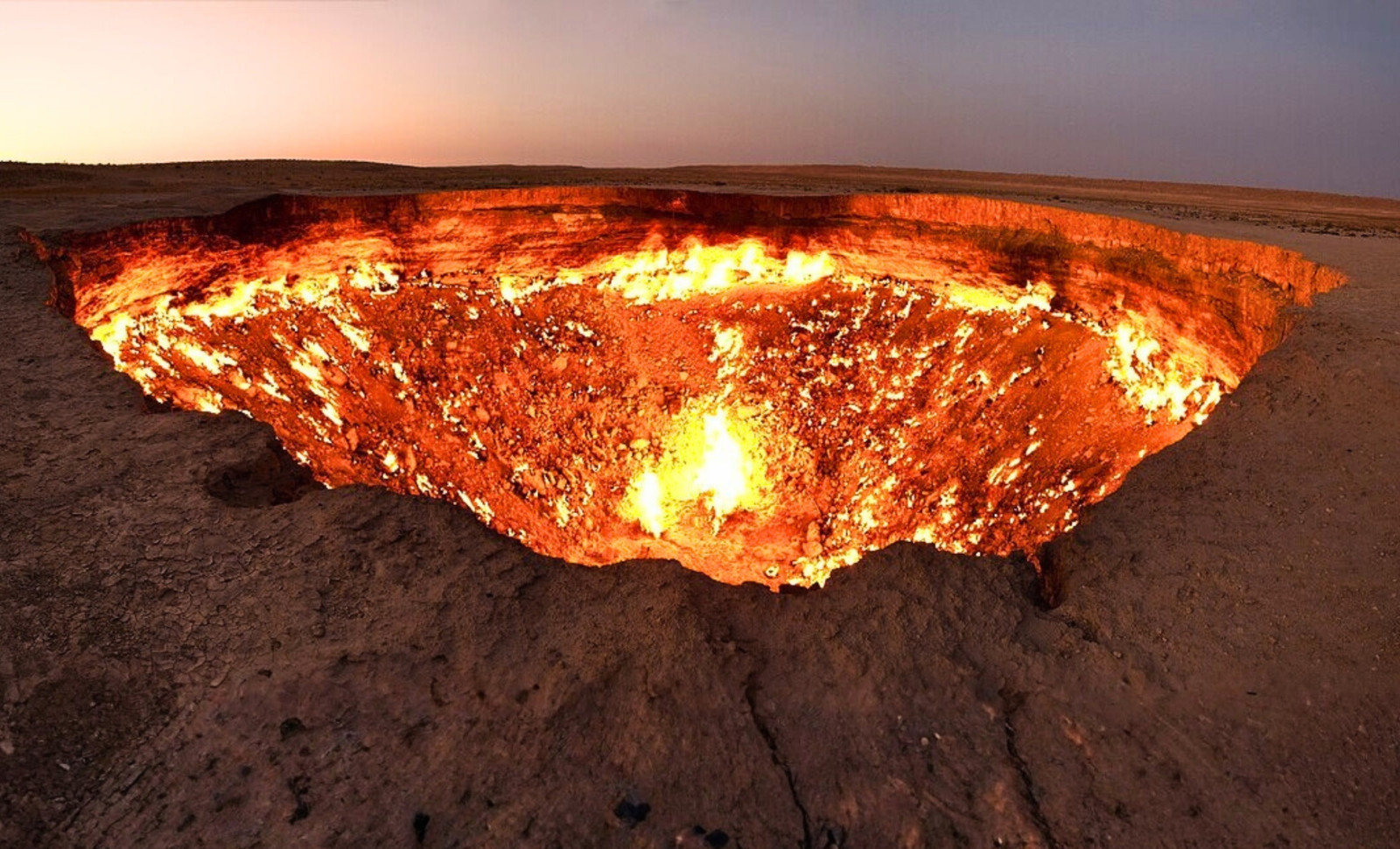
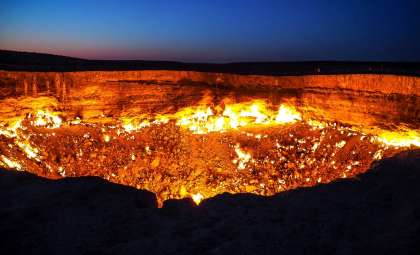
As darkness falls, the Darvaza gas crater transforms into a dramatic spectacle: a blazing circle of fire blazing amid the Karakum Desert, its fiery glow piercing the vast, barren expanse of central Turkmenistan. For over forty years, this fiery pit has intrigued visitors in one of Central Asia’s most remote regions, earning the ominous moniker “Doorway to the Underworld” and becoming an iconic feature of the nation’s landscape.
The crater’s origin is generally linked to a Soviet-era drilling mishap, although the precise timeline remains uncertain. The most commonly cited account suggests the event took place in 1971 when drilling equipment ruptured a methane gas pocket, leading engineers to ignite the escaping gas to prevent further leakage, anticipating the fire would extinguish quickly. Alternative reports propose the incident happened sometime between the 1960s and 1980s. Regardless, the flames were never intended to burn indefinitely, yet they've remained alight for decades.
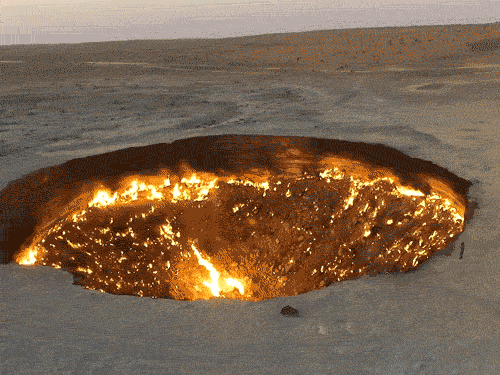
Over time, this enduring fire transformed from a mere curiosity into a complex national issue. While still attracting tourists, the crater has become a symbol of wasted energy, environmental harm, and the haunting remnants of Soviet resource extraction policies. In January 2022, France 24 covered President Gurbanguly Berdimuhamedow’s public pledges to extinguish the fire, highlighting concerns about its adverse effects on the environment and local populations, as well as its drain on valuable natural resources—resources that could otherwise fuel national development. This declaration revitalized conversations about the crater’s future, which had previously stalled without concrete action.

Why This Flaming Crater Has Broader Importance
Darvaza’s significance goes beyond its striking appearance. Sitting atop enormous natural gas reserves, Turkmenistan sees the spectacle of burning fuel as both an environmental concern and an economic loss. The crater also represents a wider problem of methane emissions. The country has faced international criticism for leaks from deteriorating wells, pipelines, and aging fossil fuel infrastructures installed during the Soviet period.
This context explains why global powers have taken an interest. In 2023, Bloomberg reported that the United States was negotiating with Turkmenistan on measures to reduce methane emissions as part of international efforts to curb this potent greenhouse gas. For Turkmenistan, tackling methane serves both environmental commitments and preservation of a valuable export commodity.
Despite its high visibility, the burning gas crater has a mixed impact on climate. Since the methane is combusted, it largely converts to carbon dioxide and water vapor before release, meaning it may pose a smaller direct climate risk than the dramatic image suggests. Still, its symbolic and political weight cannot be ignored. A hidden gas leak rarely captures public attention like a fiery pit in the desert.
The Subsurface Challenge: Beyond the Flames
Putting out the fire does not equate to resolving the underlying issue. Flames persist because gas continuously seeps from underground, meaning any solution must address the subterranean fault feeding the fire as well as the surface combustion. Simply dousing the fire or sealing the crater could halt the spectacle briefly, but methane may escape through other cracks in the earth.
Fire expert Guillermo Rein at Imperial College London has emphasized the necessity of understanding the underground rupture before attempting to suppress the flames. Without this insight, attempts to cap the vent might backfire, causing hazardous accumulations of gas. The problem involves more than just flames: it includes underground pressure, geological formations, and the danger of replacing visible fire with a concealed, more dangerous gas leak.
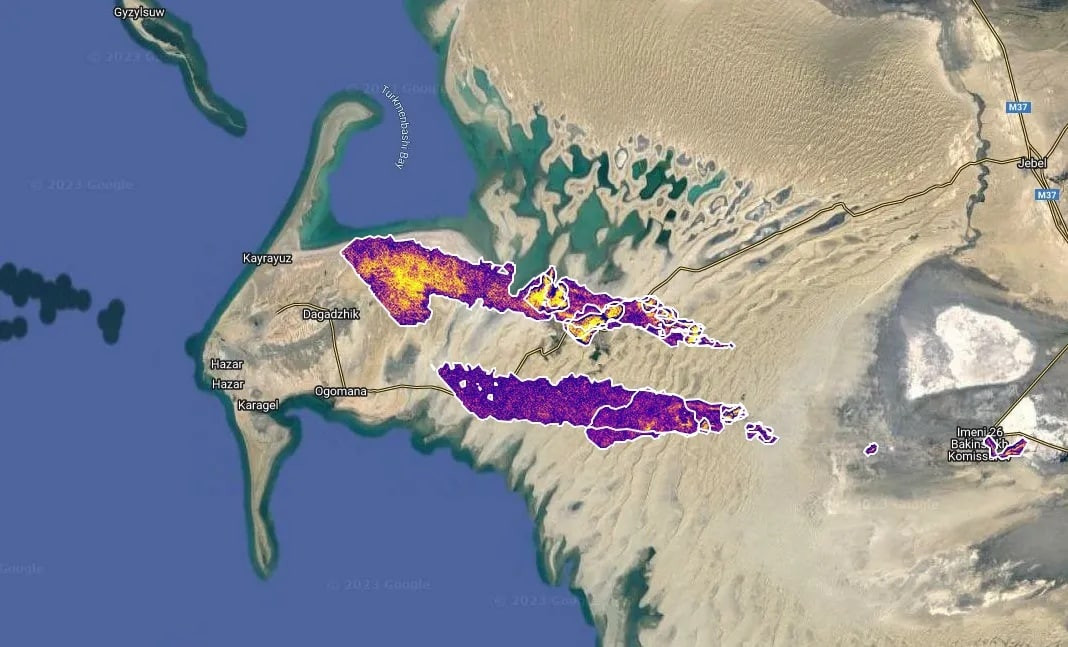
Similarly, energy geologist Mark Ireland from Newcastle University has pointed out that the region’s hydrocarbon-rich geology means the crater is not an isolated surface phenomenon. The escaping gas has multiple possible routes underground, so closing one exit without managing the source might simply create new leak points. This makes Darvaza a unique engineering dilemma: it represents not only a crater but the visible vent of a broader subterranean network.
From Curiosity to Cultural Icon
Beyond its geological and energy implications, Darvaza has evolved into a cultural symbol. It embodies excess, enigma, and a state’s narrative control, adding layers to its ongoing prominence in the news. It stands simultaneously as a failed industrial site, a magnet for tourists, and a national emblem whose significance may be shifting under governmental scrutiny.
Media portrayals often emphasize its otherworldly, surreal nature. For example, Gizmodo described the profound difficulty in extinguishing a desert fire that has burned uninterrupted for decades. The fascination is natural—Darvaza seems mythic, yet it is a tangible problem comprising an industrial accident, a source of fuel loss, and a persistent engineering risk.
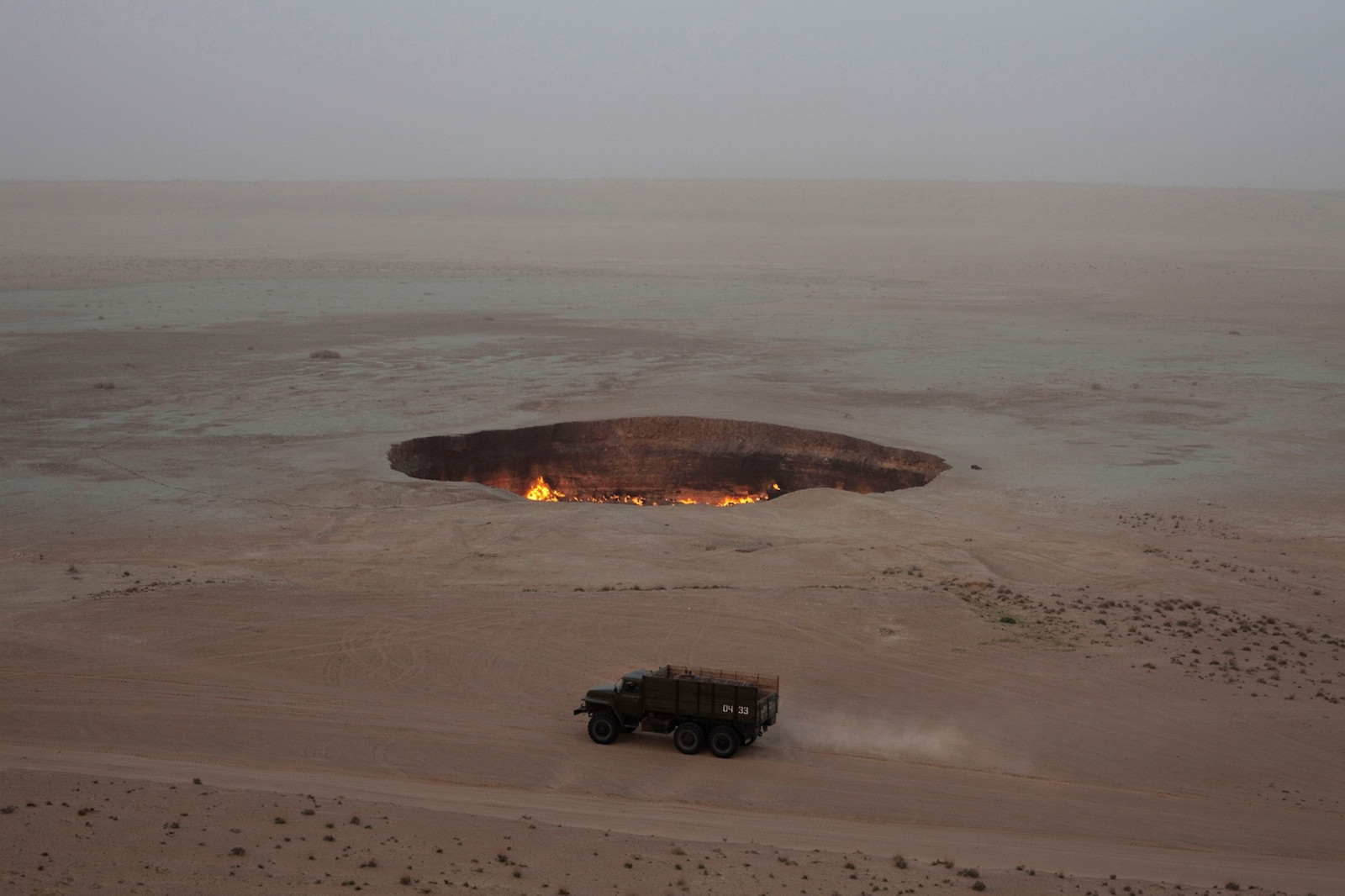
This complexity explains the repeated delays in attempts to shut the crater. While the spectacle invites bold statements, resolving it demands precise scientific studies of the underground gas system, assessing whether safe sealing is possible, and ensuring methane does not resurface in new locations within the desert.
- Categories:
- News




0 comments
Sign in to Comment