
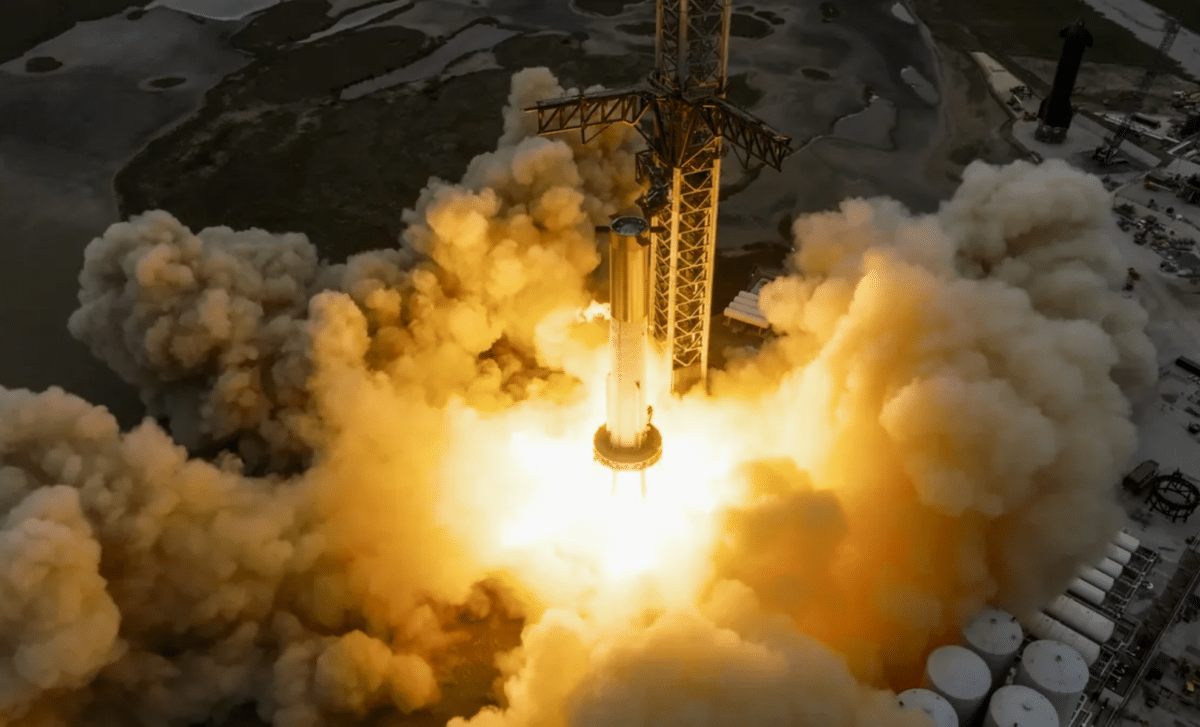
Europe is charting a new course in heavy-lift rocketry with the announcement of a partially reusable launch vehicle engineered to carry over 70 tons to orbit. A recent report in the CEAS Space Journal highlights how this innovative design could emerge as a more efficient and eco-friendly alternative to SpaceX’s Starship, which has already gained worldwide attention through groundbreaking test flights.
Starship’s Pioneering Achievements and Its Global Influence
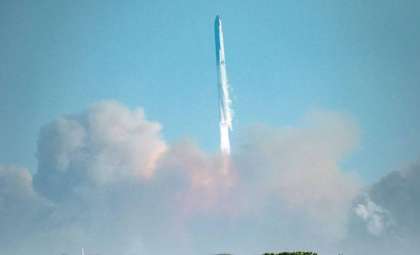
SpaceX’s Starship marked a historic event in 2023 by igniting all 33 engines simultaneously and lifting off from Texas for the very first time. Though not without flaws, these milestones ushered in a new chapter in space exploration by showcasing a fully reusable rocket with immense payload potential.
Analysis from the German Aerospace Center (DLR), using publicly sourced telemetry data, estimates Starship’s reusable payload capacity at roughly 59 tons to low Earth orbit, nearing the performance of a single-use Falcon Heavy.

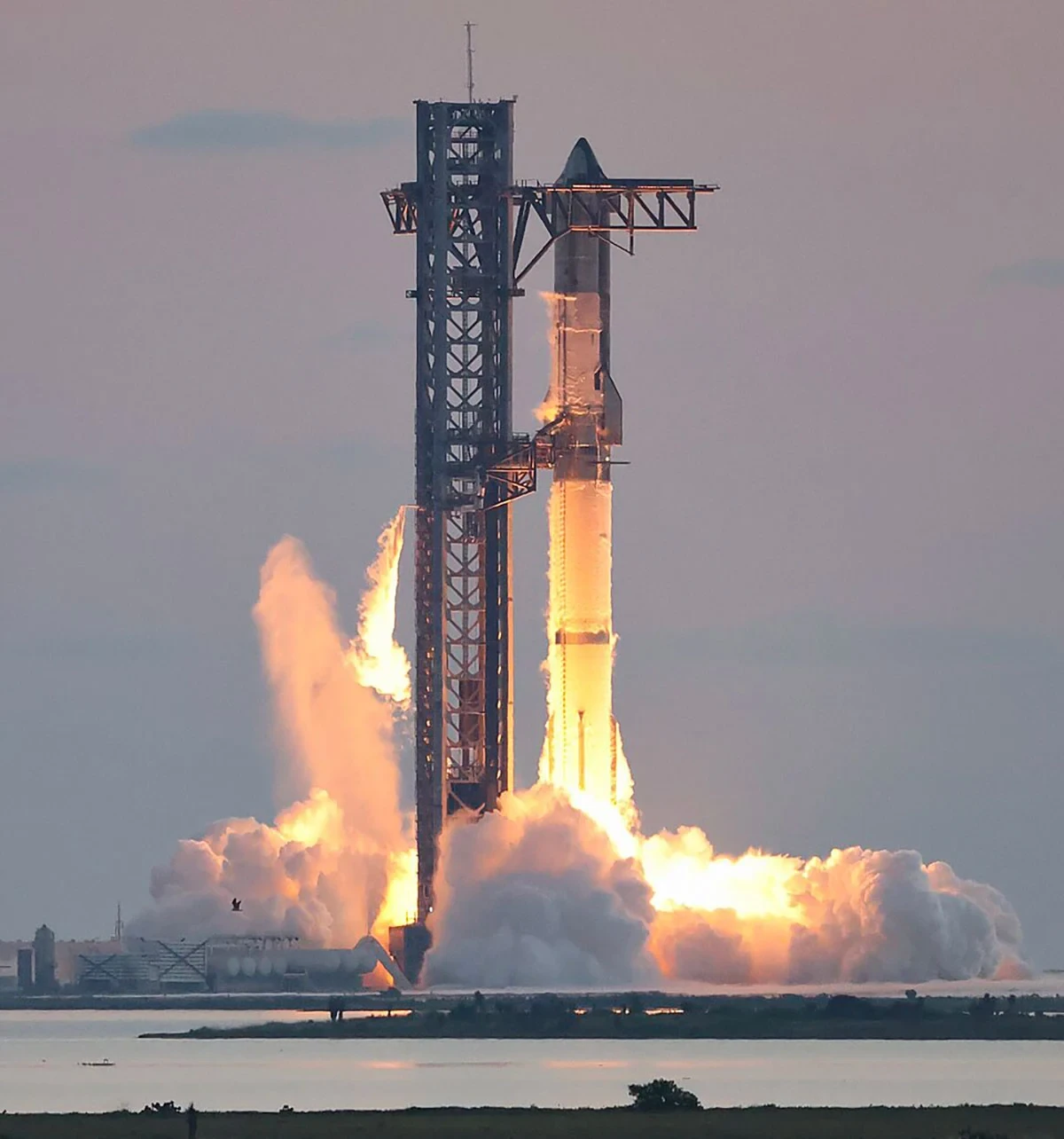
Future iterations might increase payloads above 115 tons, potentially surpassing the legendary Saturn V. The focus has shifted from whether Starship will revolutionize spaceflight to how other agencies and companies will innovate in response.
RLV C5: Europe Prioritizes Efficiency Over Sheer Size
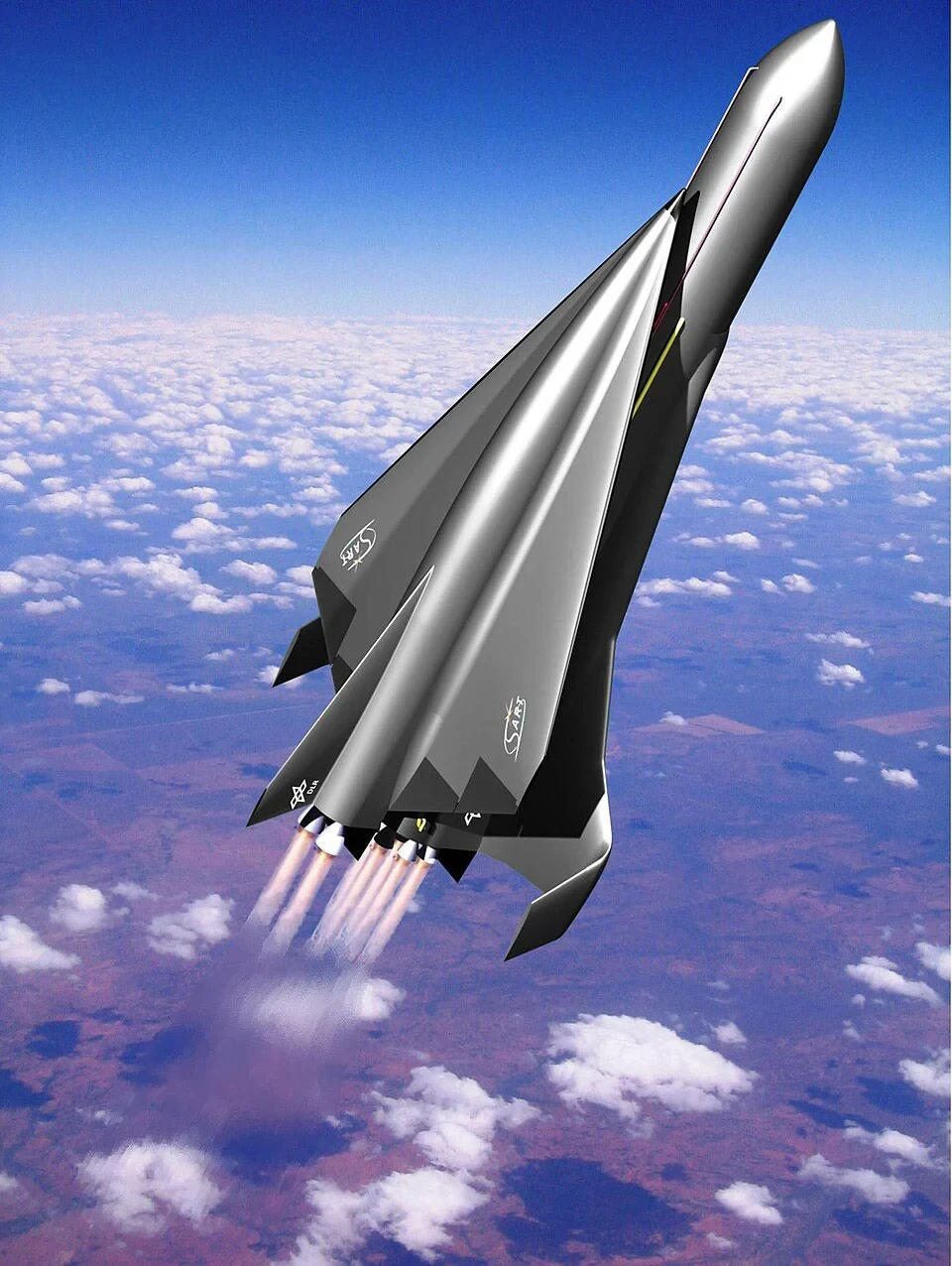
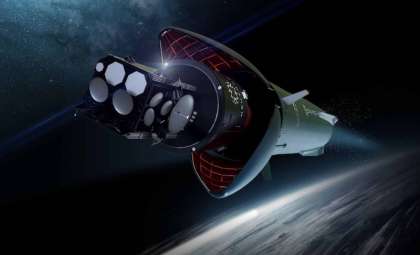
DLR experts introduced the RLV C5, a European design focused on maximizing efficiency rather than competing purely on scale. This concept integrates a winged reusable booster inspired by the SpaceLiner program with an expendable upper stage fueled by liquid hydrogen and oxygen, offering greater propulsion efficiency compared to Starship’s methane-oxygen engines.
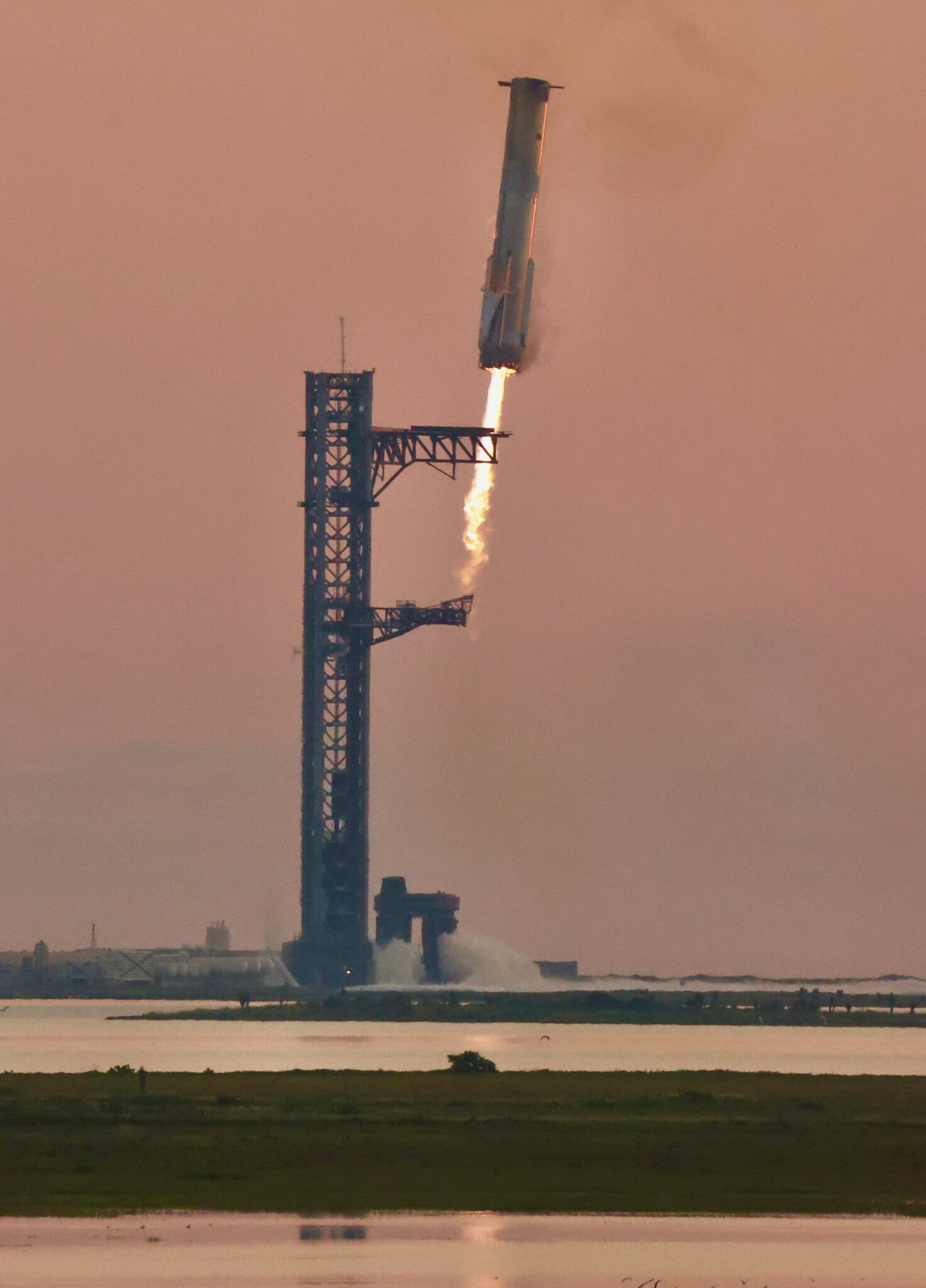
Unlike Starship's vertical touchdown, the booster returns by gliding through the atmosphere and is retrieved in mid-air by a subsonic plane. This method removes the need for carrying extra fuel for landing burns, freeing up more mass for orbital payloads. Initial assessments show that 74% of the RLV C5’s launch mass could be delivered as payload, compared to Starship’s 40%, illustrating how design efficiency can surpass size.
Weighing Reusability Against Payload Capacity
The RLV C5 and Starship represent contrasting strategies for heavy-lift missions. While Starship’s vast payload and fast turnaround suits missions to the Moon, Mars, and large satellite arrays, the RLV C5 offers Europe an incremental approach to gaining super-heavy lift capabilities without the immense costs associated with full reusability.
According to DLR, this is less a race and more a strategic decision. Prioritizing efficiency allows Europe to maintain autonomous access to space while incrementally advancing reusable rocket technologies.
The Challenge of Turning Concepts into Reality
While promising in theory, Starship is the only one currently flying, despite early setbacks. German researchers note that transforming concepts like the RLV C5 into operational hardware remains a significant engineering hurdle. For example, Starship’s thermal protection system had to be completely overhauled after experiencing damage in initial test flights.
Achieving rapid reusability is still a formidable technical problem. Europe must overcome the considerable challenge of making the RLV C5 flight-ready. Nonetheless, lead researcher Moritz Herberhold emphasizes in the CEAS Space Journal that the design offers a “practical path for Europe to independently develop partially reusable super-heavy launch capabilities,” proving that smart engineering can sometimes outpace sheer novelty.
Europe’s Strategic Vision
The RLV C5 is poised to act as a milestone within the broader SpaceLiner initiative, providing hands-on experience with reusable systems while fostering Europe’s heavy-lift launch infrastructure. By focusing on higher fuel efficiency, simpler recovery techniques, and moderate scalability, this project may position Europe uniquely in the rapidly advancing sector of space access. Although Starship captures public imagination with its scale and speed, the RLV C5 embodies a thoughtful, efficient, and strategically sustainable approach that could reshape Europe’s role in the coming space era.
- Categories:
- News








0 comments
Sign in to Comment