
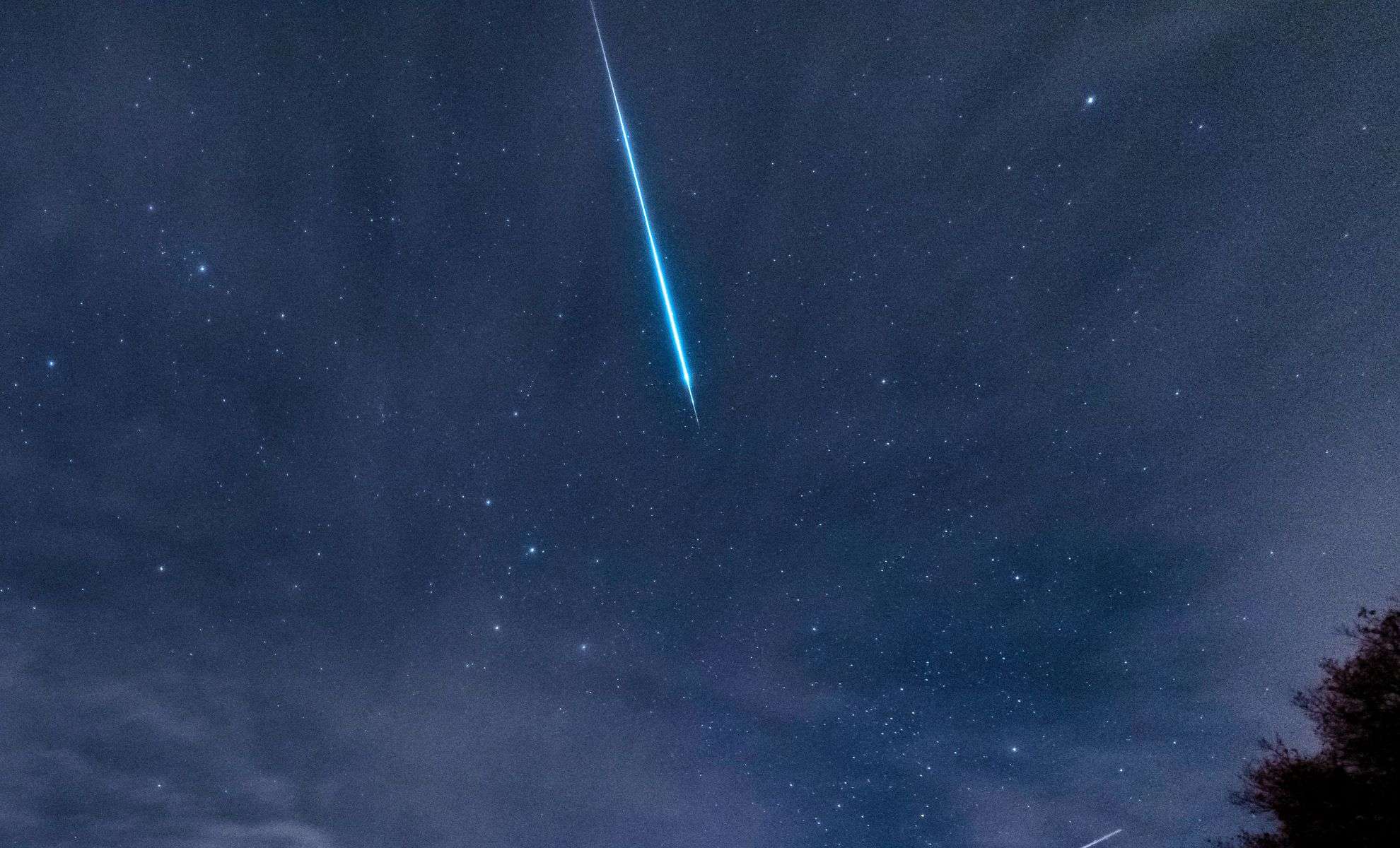
The Draconid meteor shower offers a fascinating yet unpredictable spectacle in the night sky. Famous for its erratic meteor bursts, this celestial event is generally best observed before midnight. This year’s peak could deliver a remarkable display, with some experts forecasting the potential for a meteor storm.
Draconids: A Night of Unpredictable Meteors
The Draconid shower is notable for its unpredictable nature. Robert Lunsford, who coordinates fireball reports for the American Meteor Society, explains:
“The Draconids are a very quick shower. We on Earth pass through debris (from the comet 21P/Giacobini-Zinner) in just a few days, and the main maximum (activity) actually only lasts a few hours. So it’s here and gone just like that.”
Add Cosmo Herald as a Preferred Source

Generally, the shower produces about 10 meteors per hour, but past events have seen the count dramatically rise into the hundreds. This sporadic behavior keeps skywatchers eagerly anticipating what might unfold each year.
NASA reports that the recent close passage of Comet 21P/Giacobini-Zinner near the sun has increased the amount of debris in Earth’s path, raising the chances of a more intense meteor shower. The last major surge happened in 2011, and astronomers are hopeful for a comparable event this time around.
Optimal Conditions for Viewing
Unlike many other meteor showers that peak after midnight, the Draconids are expected to be observable earlier in the evening. NASA indicates that the prime viewing window for this shower will be shortly after sunset on October 8. Observers should look toward the northern sky, where meteors will emanate from the constellation Draco — aptly named for the Latin word for “dragon.”
“If you’re looking toward the north and you see a slow meteor come from overhead, chances are it’s probably a Draconid,” Lunsford said. “But even on moonless nights, the rate is only about one per hour at the peak. So with the moonlight, it may even be less.”
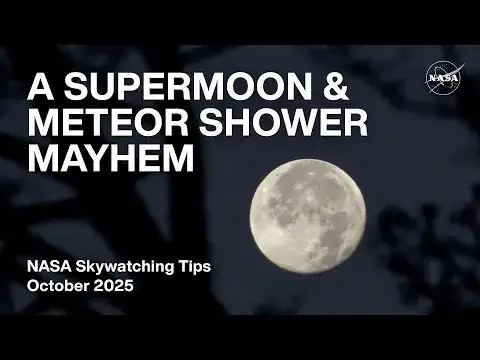
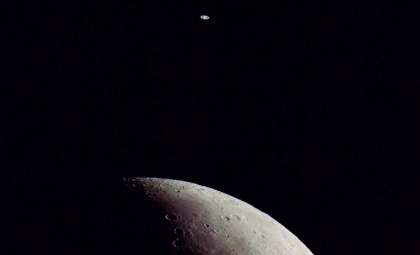
The moon’s gibbous phase, occurring soon after a full supermoon, may hamper viewing conditions. However, viewers who can find areas shielded from moonlight, such as beneath trees or in darker locations, might still catch an impressive show.
Draconids and Potential Aurora Sightings
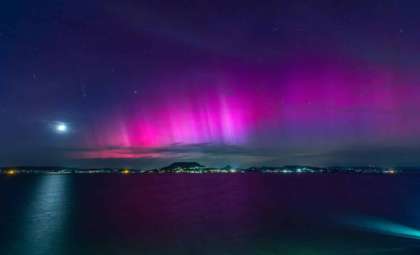
In addition to the meteor shower, observers might be lucky enough to witness the Northern Lights. This year coincides with a solar maximum, a phase in the sun’s 11-year cycle marked by stronger and more frequent geomagnetic storms that create the aurora borealis.
The heightened solar activity could expand the range of aurora visibility, allowing people in parts of the U.S. further south than usual to experience this natural light display—adding an extra layer of awe to an already spectacular night.





0 comments
Sign in to Comment