
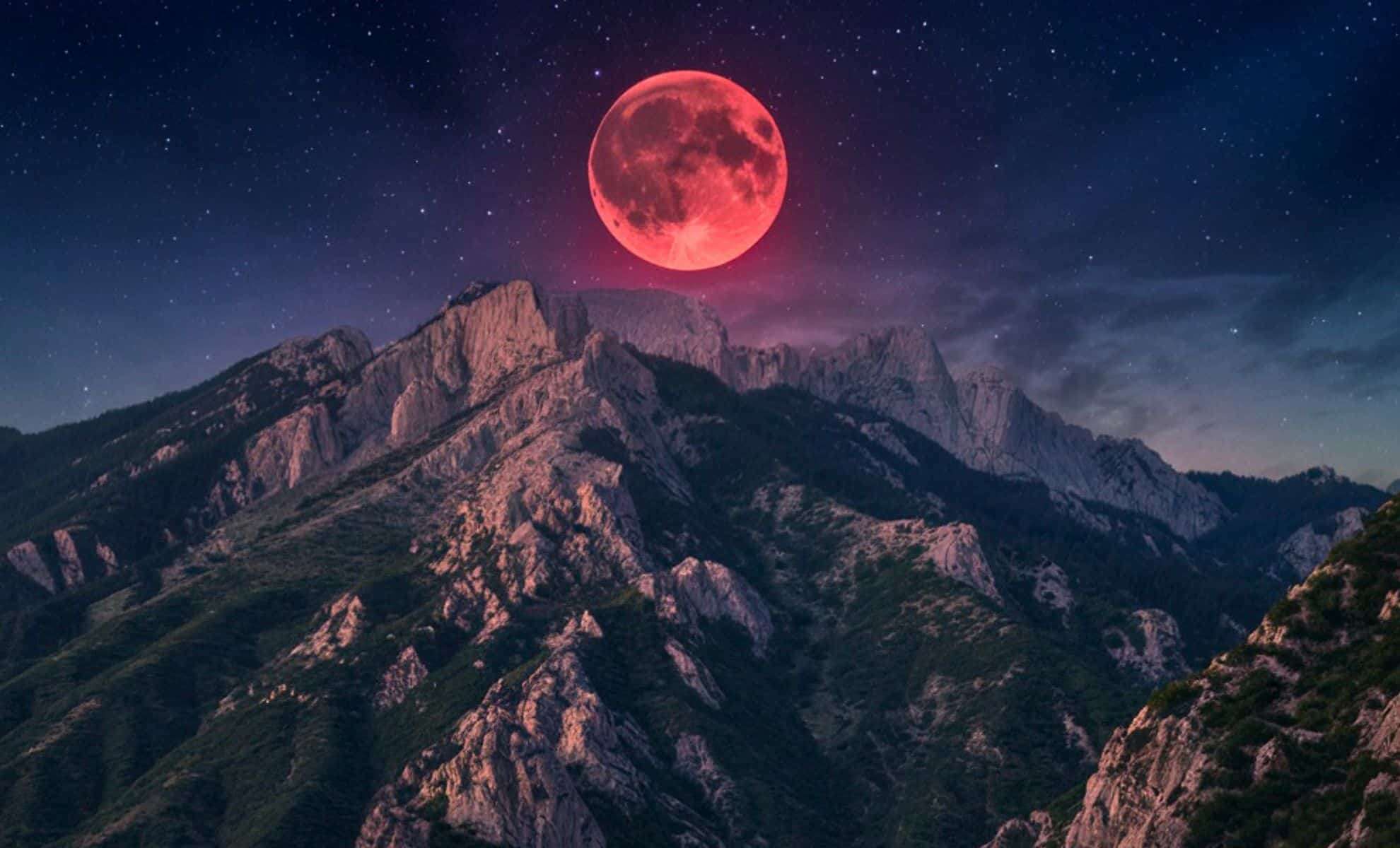
Prepare for an extraordinary lunar display this week as March’s full moon, known as the “Worm Moon,” will showcase a brilliant red glow during a total lunar eclipse. This uncommon event will be observable throughout North and South America, with partial visibility in some regions of Europe and Africa.
Timing for the Blood Worm Moon
The full moon will reach its maximum brightness at 2:55 a.m. ET on Friday, March 14, while the total eclipse occurs late Thursday night into the early hours of Friday morning.
The moon will shine fully from Wednesday night until Saturday morning. The eclipse follows this schedule:

- Thursday, March 13 – 11:57 p.m. EDT: The moon begins to enter Earth’s shadow.
- Friday, March 14 – 1:09 a.m. EDT: The moon starts to noticeably darken.
- 2:26 a.m. – 3:31 a.m. EDT: Total lunar eclipse occurs, turning the moon a deep reddish-orange.
- 2:59 a.m. EDT: Peak of the eclipse, ideal for viewing the Blood Moon.
- 3:31 a.m. – 4:48 a.m. EDT: The moon gradually leaves Earth’s shadow.
- 6:00 a.m. EDT: Eclipse concludes as Earth’s shadow fully recedes.
Best Locations to Observe the Eclipse
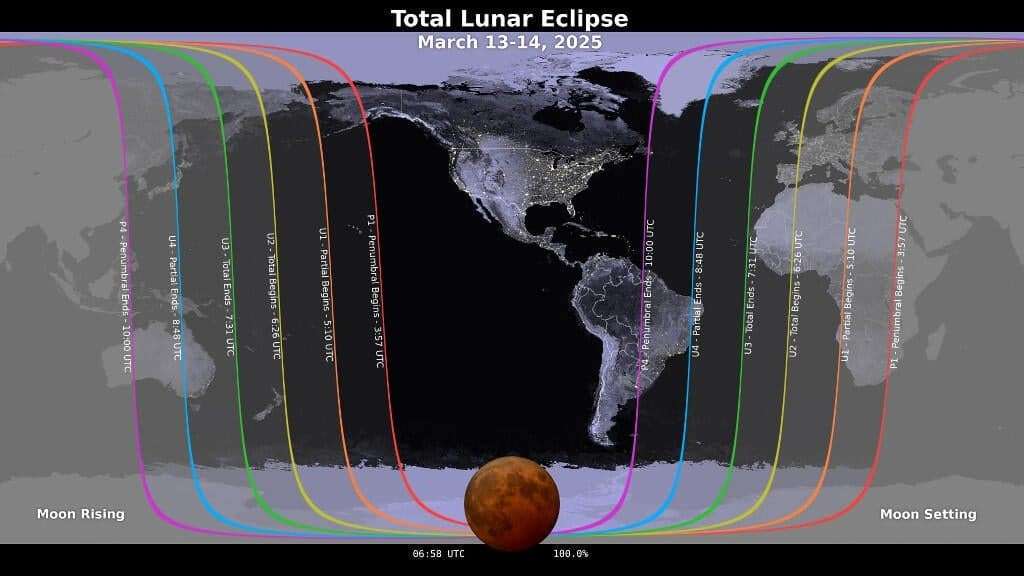
Viewers in North and South America will enjoy the entire eclipse from beginning to end, offering the clearest spectacle.
Observers located in Europe and Africa might catch a partial eclipse depending on weather and geographic position.
To find the exact moonrise for your location, the Old Farmer’s Almanac provides detailed time data by ZIP code across the United States. Checking local weather forecasts will also help ensure clear skies for viewing.
Why the Moon Takes on a Red Color
When a total lunar eclipse occurs, Earth aligns between the sun and the moon, casting its shadow directly onto the lunar surface. Rather than fading to darkness, the moon glows a vibrant red-orange as sunlight is bent and filtered through Earth’s atmosphere.
This effect, frequently called a “Blood Moon”, arises because our atmosphere scatters shorter blue wavelengths, allowing predominantly red and orange light to pass through. NASA explains this as illumination by a “thick slice of Earth’s atmosphere,” which lends the moon its characteristic fiery shade.
Viewing Tips for the Lunar Eclipse
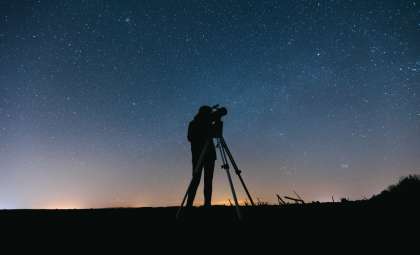
The Blood Worm Moon is visible without any special tools; the naked eye is sufficient to enjoy this spectacle. However, to observe greater surface details on the moon, binoculars or a telescope can enhance the experience.
For optimal viewing, seek out a dark, unobstructed area far from city lights. Reduced light pollution will make the moon’s red tint appear even more striking.
The Origin of the “Worm Moon” Name
The title “Worm Moon” for March’s full moon originates from the period when earthworms become more active as spring begins. According to the Old Farmer’s Almanac, this name symbolizes seasonal warming and softer ground encouraging worm activity.
Additional traditional names for March’s full moon include:
- Eagle Moon
- Goose Moon
- Crow Comes Back Moon
- Sugar Moon
- Wind Strong Moon
- Sore Eyes Moon
These diverse names come from various cultural traditions, each highlighting different natural changes synonymous with this time of year.
A Night Sky Event Not to Miss
The Blood Worm Moon coupled with the total lunar eclipse provides an extraordinary spectacle for skywatchers. Whether you're a devoted astronomy fan or simply enjoy celestial sights, this event is definitely worth staying up to experience.
Make sure to mark the date, set reminders, and find a dark location to watch the moon turn into an illuminating red globe against the night sky.
- Categories:
- Astronomy





0 comments
Sign in to Comment