
Emerging drone technology promises to transform the hunt for water on Mars by delivering unmatched accuracy in detecting subsurface ice. Published on March 24 in the Journal of Geophysical Research: Planets, a study reveals that low-altitude drones outfitted with ground-penetrating radar can precisely identify hidden ice deposits—an achievement beyond the current capabilities of orbiters. By applying methods developed on Earth’s debris-laden glaciers, scientists outline a practical strategy to locate accessible water sources vital for future human missions.
Ground-Level Ice Detection with Exceptional Detail
Mars exploration has long depended on orbital instruments like NASA’s SHARAD radar aboard the Mars Reconnaissance Orbiter to find subsurface ice. These tools confirm substantial frozen reservoirs beneath surface layers, especially in mid-latitude zones, but lack the fine-scale resolution necessary to evaluate how reachable the ice truly is.
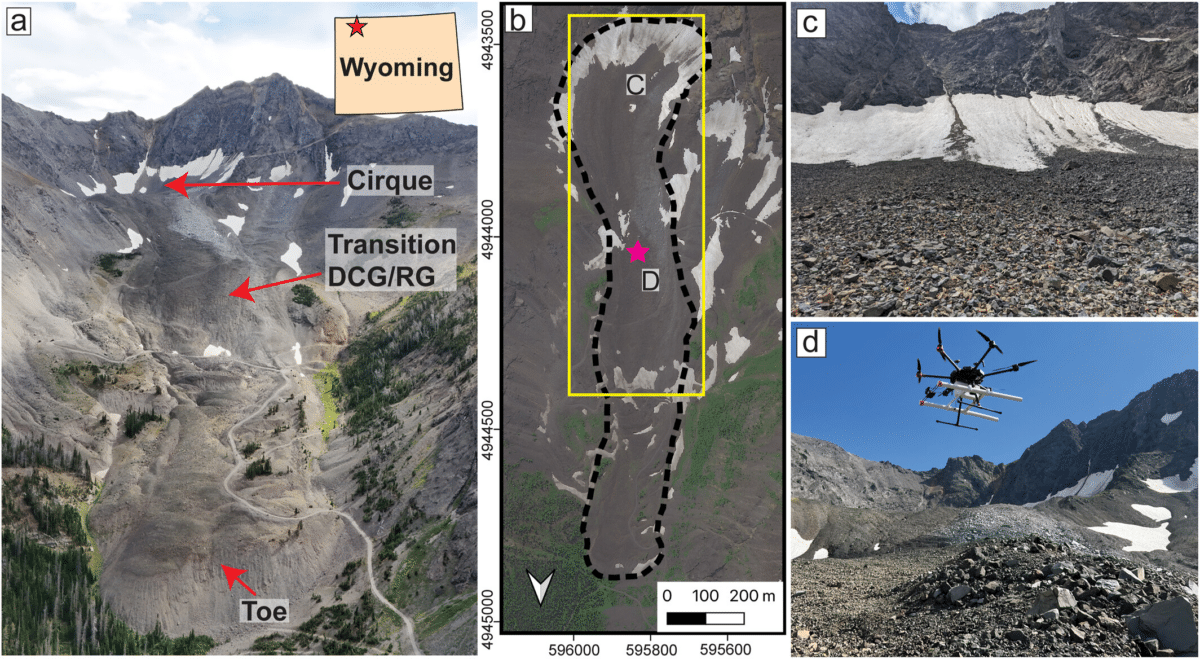
The recent research overcomes this barrier by operating radar equipment directly from drones flying close to the terrain. Conducted on glaciers in Alaska and Wyoming—terrestrial analogs to Martian icy landscapes—the experiments successfully mapped ice thickness and detected thin layers of debris, unveiling internal characteristics with exceptional clarity. These results were corroborated with on-site drilling, excavation, and simulations to verify that radar signals originated from beneath the surface.

“If you want to make decisions about where to drill on Mars, you need to know if the ice you’re trying to find is under one meter of debris or 10,” said Roberto Aguilar, lead author of the study and a doctoral researcher at the University of Arizona Lunar and Planetary Laboratory. “That’s the kind of information a drone-based system could provide.”
Discriminating between superficially buried and deeply hidden ice will be pivotal in mission design, allowing landers to focus on water sources that can realistically be tapped.
Applying Earth Glacier Insights to Martian Terrain
Beyond verifying feasibility, the team developed an operational blueprint for drone-mounted radar under field conditions. By conducting repeated aerial surveys over glaciers, they optimized variables like flight altitude, velocity, and orientation relative to ice flow—factors critical for enhancing radar signal quality and reducing interference.
“We already knew ground-penetrating radar works, but this was the first time we mounted it to drones and tested how we could put it into practice,” Aguilar explained. “For instance, we learned at what altitude and speed the drone should fly, as well as the importance of flying in the direction of the glacier’s flow, and how to make sure the radar was properly aligned to detect the ice.”
The study, detailed in the Journal of Geophysical Research: Planets, demonstrates how Earth’s debris-covered glaciers serve as effective stand-ins for Martian ice deposits. By confirming that drone radar can resolve layered ice beneath rocky coverings, the research offers a scalable model for extraterrestrial water detection.
Such technological progress hints that future Mars missions could rely more on targeted, high-resolution data than on broad orbital assessments when picking extraction sites.
Integrating Drone Radar into Mars Exploration
Rather than supplanting current methods, drone-mounted radar adds a critical layer to Mars exploration. Orbiters will continue locating general sites of interest, while drones provide high-resolution imagery of subsurface structures. This combination enables surface missions to zero in on viable drilling sites with enhanced confidence, reducing operational hazards and expenses.
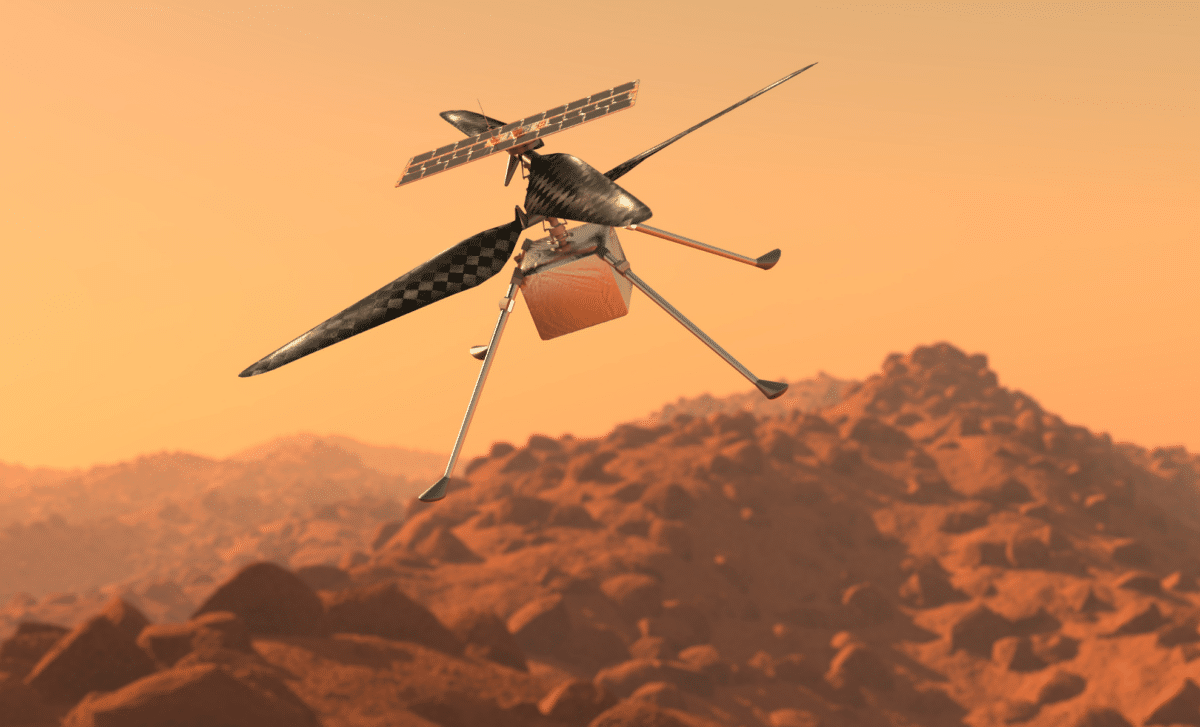
The concept builds on NASA’s success with the Ingenuity helicopter, which demonstrated powered flight is feasible in Mars’ thin atmosphere. Future rotorcraft could carry sophisticated instruments like real-time radar capable of scanning underneath the surface.
“We are filling the gap between today’s orbital observations and a more distant future, where astronauts land on Mars and make observations on the ground,” Aguilar said. “This gives us a way to investigate the glaciers now, from the air.”
This innovation transforms Mars exploration into a more flexible, data-centric process, replacing rough orbital glimpses with detailed subsurface maps gathered mere meters above the ground.
Enabling Practical Water Extraction on Mars
Water is a cornerstone for sustained presence on Mars, vital for crew survival and generating rocket fuel and oxygen. Its accessibility, however, remains a major hurdle; ice entrenched beneath thick layers of debris may be impossible to utilize despite its presence.
Drone-borne radar shifts this challenge by converting detection into precise, actionable knowledge. It lets scientists grasp not only where ice lies but how easily it can be extracted—an insight crucial to mission success. As exploration evolves, aerial scouting technologies could redefine the quest for Martian water, moving from broad discovery toward precise resource localization.
By adapting validated Earth techniques for alien environments, researchers are setting the stage for a future where tapping water resources on Mars becomes a strategic, confident undertaking rather than a gamble.
- Categories:
- Science








0 comments
Sign in to Comment