
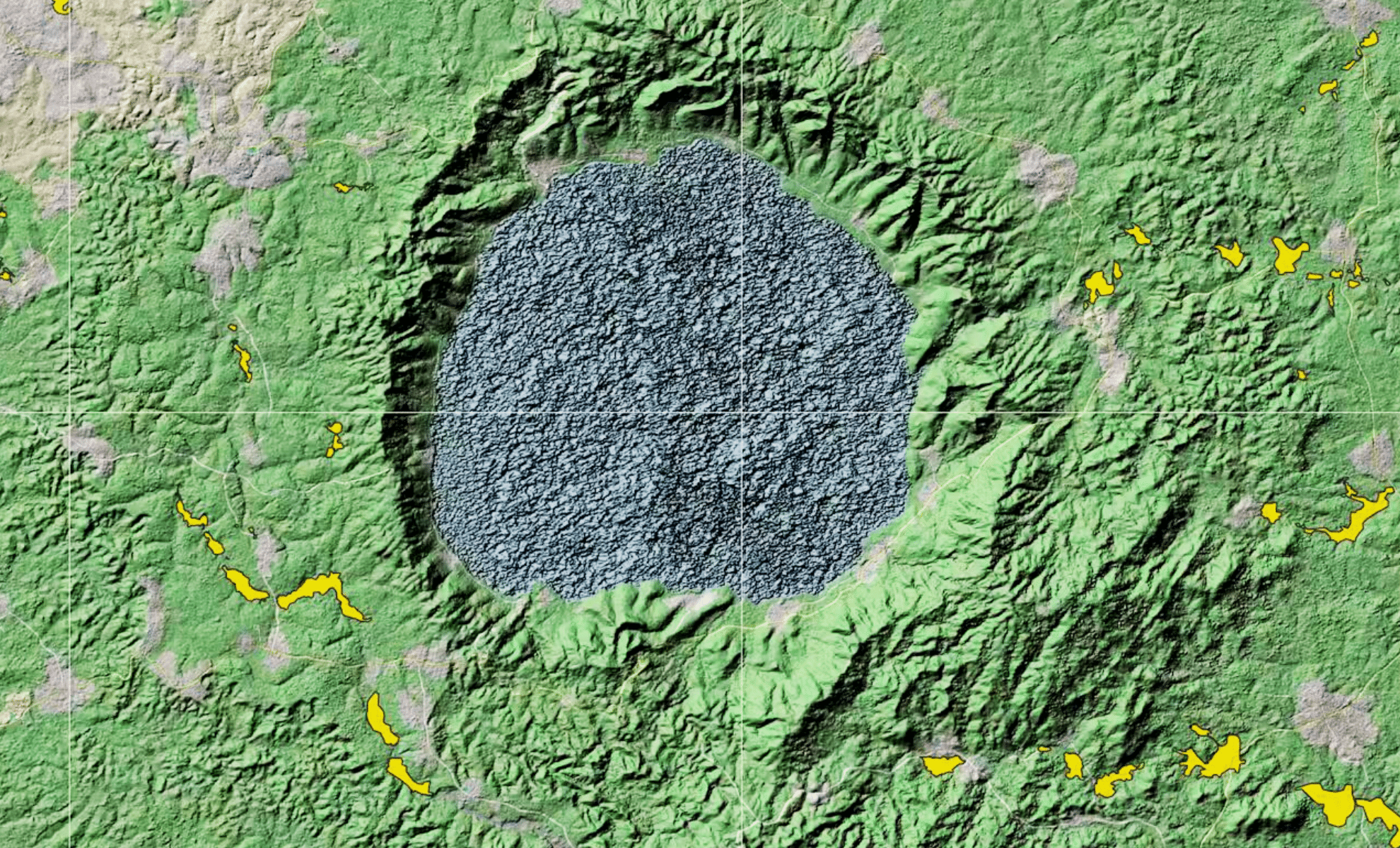
Situated in Ghana’s Ashanti gold belt, the Bosumtwi crater is one of Earth’s best-preserved meteorite impact sites. A recent study in Geophysical Research Letters highlights the crater's vital role in advancing our knowledge of planetary science, shedding light on impact mechanisms and planetary development. Dr. Marian Selorm Sapah, an expert in Earth sciences, emphasizes its significance in a 2025 article published by The Conversation, noting its importance as an Earth analog for rampart craters on Mars and Venus. Unfortunately, illegal mining threatens this geological gem, creating an urgent need for preservation. This piece explores why the Bosumtwi crater is both a scientific marvel and a cultural landmark, urging timely conservation efforts.
Exceptional Scientific Importance of Bosumtwi
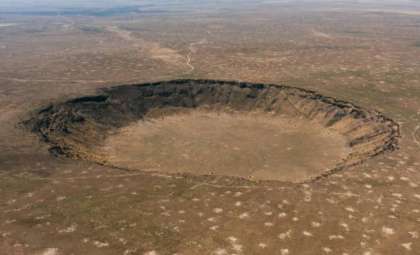
Dating back roughly 1.07 million years, Bosumtwi is a geological treasure unlike many other impact craters globally. Unlike those that have eroded or become buried over time, Bosumtwi boasts a near-perfect circular basin, filled with a clear lake and encircled by a prominent rim. These characteristics make it invaluable for studying impact events, planetary processes, and climatic trends.
Its significance extends beyond Earth by offering a critical comparison point for craters observed on planets such as Mars and Venus. The crater’s similarity to the rampart craters seen on those planets makes it an essential reference for researchers investigating impact formation and the evolution of rocky worlds in our solar system. Bosumtwi’s preserved state allows scientists a rare window into meteor impacts’ effects on planetary environments.

Growing Risks from Unauthorized Mining
Despite its undeniable value, Bosumtwi is increasingly endangered by unauthorized mining activities nearby. Located in the mineral-rich Ashanti gold belt, the region experiences extensive artisanal gold mining. Many operations employ primitive methods and hazardous substances such as mercury and cyanide, posing significant environmental and public health hazards.
Illegal mining is encroaching on the crater’s vicinity, threatening the preserved landscape. These activities around the crater rim lead to immediate risks, including contamination of the lake by toxic chemicals and accelerated soil erosion from deforestation. If these destructive practices continue unchecked, the crater’s scientific and ecological value could suffer irreversible harm, impacting local wildlife and agriculture.
The Crater’s Cultural Role for the Ashanti People
Aside from its scientific import, the Bosumtwi crater holds profound spiritual significance for Ghana’s Ashanti community. The lake within the crater is revered as a sacred site, believed to house the spirits of Ashanti ancestors. It has served as a focal point for cultural ceremonies and traditions over many generations.
Preserving Bosumtwi goes beyond natural conservation; it involves protecting the cultural heritage and identity of the Ashanti people, whose connection to the crater spans centuries. The environmental damage caused by illegal mining threatens not only nature but also the spiritual and cultural fabric of the local community.
Potential for Eco-Tourism and Regional Growth
Bosumtwi’s stunning scenery, combined with its scientific and cultural significance, creates great potential for eco-tourism development. As interest in sustainable travel grows, the crater could attract researchers, visitors, and educators from around the world, generating economic opportunities for the local population.
Eco-tourism could help create jobs and stimulate local businesses while reinforcing conservation efforts. Funds generated could improve infrastructure, education, and environmental protection. However, realizing these benefits depends on safeguarding the site from environmental damage caused by ongoing illegal mining.
Immediate Steps Needed to Protect Bosumtwi
The International Union of Geological Sciences recognizes Bosumtwi as a geoheritage site, underscoring its global importance. However, illegal mining continues to threaten this designation. Prompt interventions such as enhanced satellite surveillance and stronger enforcement against unauthorized mining are necessary to prevent degradation.
Community involvement is also vital for raising awareness about the crater’s value and encouraging environmentally responsible practices. Collaboration among government bodies, local residents, and international scientists is essential to ensure the Bosumtwi crater endures as a treasured natural and cultural legacy. Losing this site would be a profound loss not only for Ghana but also for worldwide scientific research.
- Categories:
- News







0 comments
Sign in to Comment