
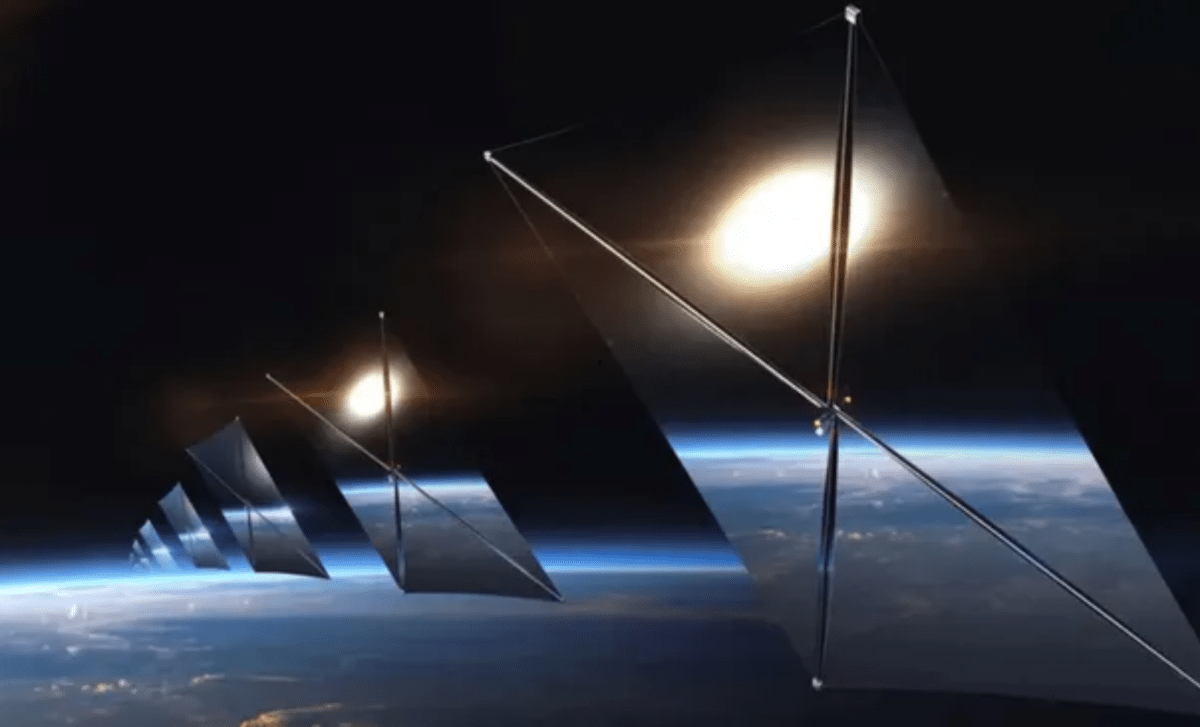
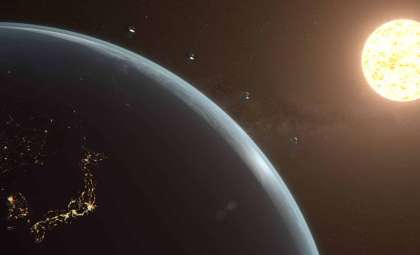
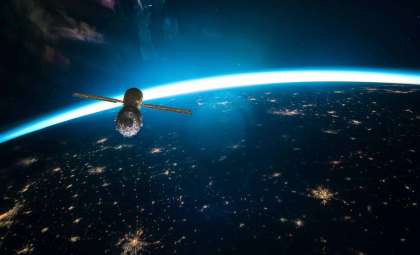
Aiming to brighten the Earth's night with sunlight, a startup based in California called Reflect Orbital intends to launch thousands of satellites into low Earth orbit. These satellites will carry reflective panels capable of redirecting sunlight to the planet’s dark side, offering innovative possibilities like providing illumination for search and rescue operations or enhancing solar energy capture during nighttime. Despite its potential, the initiative has sparked debate regarding the unforeseen effects it might have on both environmental systems and the field of astronomy.
Harnessing Space Mirrors to Extend Daylight
The concept behind Reflect Orbital's space mirrors is both bold and technologically forward-thinking. The plan involves deploying a network of satellites equipped with expansive reflective surfaces that focus sunlight toward targeted areas on Earth after sunset. This controlled illumination aims to support various uses, including boosting nighttime solar power production and aiding emergency efforts in dark or hard-to-reach regions. The company envisions commencing launches as early as 2026, ultimately deploying thousands by 2030. Though the prospect is captivating, it invites questions about potential drawbacks.
Proponents emphasize the possibility of unlocking solar energy during hours traditionally marked by darkness. Yet, many astronomers voice serious apprehensions over how persistent artificial lighting could disrupt observations and harm ecosystems. The key dilemma revolves around whether the benefits can justify risks to wildlife and the integrity of scientific study.

Threats to Astronomy: A Dark Sky Under Siege
The astronomical community has emerged as one of the strongest opponents of the project, fearing significant disruptions to night sky research. Robert Massey, Deputy Executive Director of the Royal Astronomical Society in the UK, described the effort as "pretty catastrophic" from an astronomy standpoint in an interview with Space.com. Since astronomers rely on natural darkness to study stars, planets, and cosmic phenomena, artificially brightening the night sky could significantly obstruct scientific observations.
Beyond localized illumination, astronomers warn about the overall effect of numerous satellites reflecting sunlight, potentially transforming the night sky into a landscape of bright, mobile lights. Although Reflect Orbital claims satellites will selectively illuminate ground areas for brief intervals, the additive visual impact could be far-reaching. As John Berentine of Arizona’s Silverado Hills Observatory emphasized,
“The reflectors will be directing their light [even after they pass their target] because obviously they can’t shut that off. The beam reflected by these satellites is very intense, four times brighter than the full moon.”
Environmental Concerns for Nocturnal Wildlife
The project’s ramifications also extend to ecological systems, especially the wildlife that depends on natural day-night cycles. The infusion of artificial daylight at night may disrupt the behavior and survival mechanisms of nocturnal animals. Creatures such as migratory birds that utilize starlight for navigation could become confused, increasing their risk of injury or death. Moreover, many species rely on nighttime darkness for essential actions like feeding and reproduction, whose disruption could cascade through ecosystems.
Berentine further notes that the brightness won’t be limited to areas directly illuminated by the beams:
“The beam reflected by these satellites is very intense… they will be flying multiple satellites in a formation. That will have an effect on wildlife in the directly illuminated area, but also, through atmospheric scattering, on the surrounding areas as well.”
This suggests light pollution may extend far beyond the satellites’ immediate targets, potentially causing widespread ecological disturbance.
Evaluating the Solar Energy Advantage
The core justification for Reflect Orbital’s space mirrors rests on their ability to boost solar power generation during nighttime. By channeling sunlight onto solar arrays when the sun isn’t visible, the system purports to increase electricity production. However, critics question the practicality of this concept. Research astronomer Samantha Lawler of the University of Regina pointed out the minuscule energy harvest:
“When you do the calculation, it’s milliwatts,” she states. “You’d need hundreds or thousands of mirrors pointed at the same spot on the ground to even activate a solar panel.”
Furthermore, skeptics highlight that the environmental and technological costs may overshadow any energy benefits. Aaron Boley, an astronomer at the University of British Columbia, suggests that expanding rooftop solar installations could deliver better returns without such risks. The massive scale of this endeavor raises doubts about whether its claimed benefits will outweigh its negative impacts.
Escalating Global Light Pollution
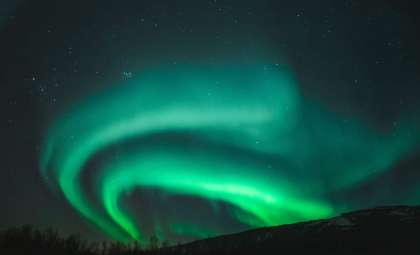
A prominent issue linked to the space mirror initiative is its potential to worsen light pollution worldwide. While urban centers already grapple with excessive artificial lighting obscuring views of the cosmos, adding bright beams from orbiting mirrors could amplify this challenge significantly. Massey remarked,
“Our service is highly localized… Each reflection covers a defined 5-kilometer area for a finite period of time rather than providing continuous or widespread illumination.”
Nevertheless, the dynamic and shifting paths of these light beams could produce unpredictable lighting patterns, further complicating efforts to preserve dark skies globally.
- Categories:
- Space






0 comments
Sign in to Comment