
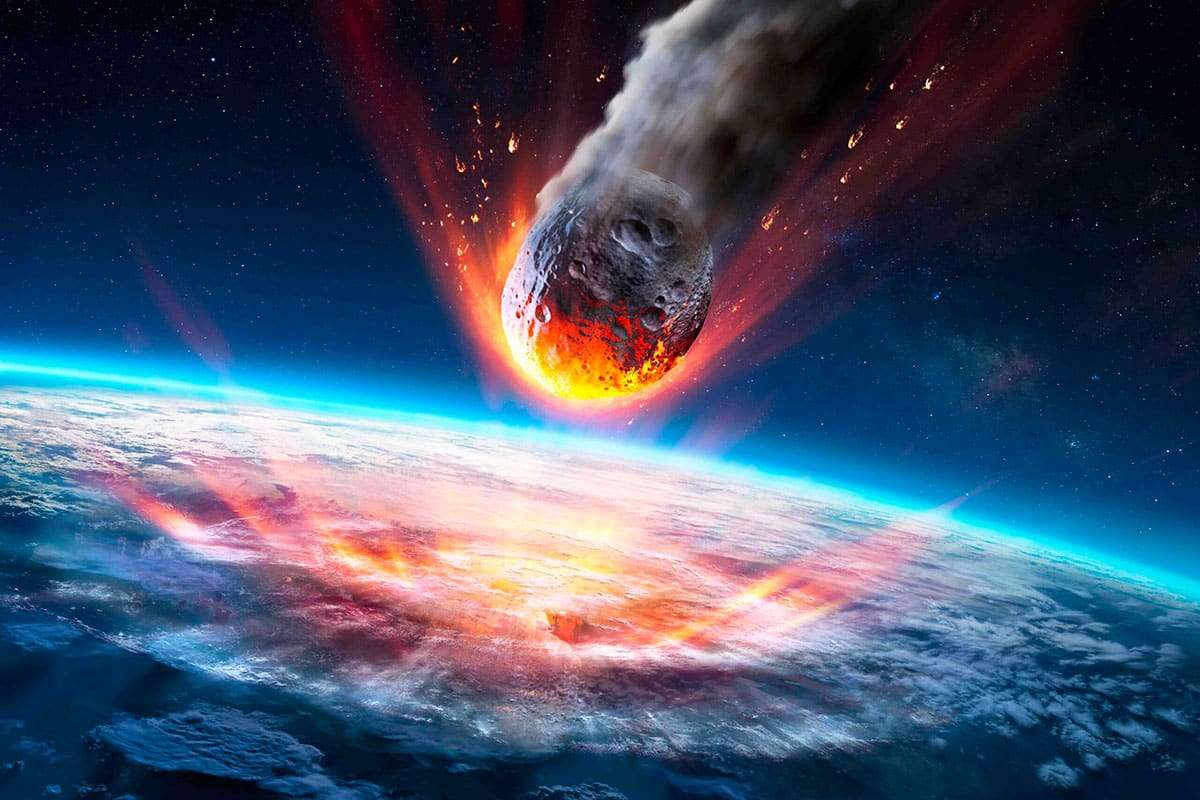
First spotted in 2014, the massive S2 asteroid has intrigued researchers due to its incredible size and the cataclysmic consequences of its collision with early Earth. New findings published in the Proceedings of the National Academy of Sciences on October 21, 2024, unveil the dramatic effects of this ancient strike during our planet's formative years.
The S2 asteroid was immense:
- Diameter: estimated between 40 and 60 kilometers
- Size comparison: 50 to 200 times the volume of the asteroid that eliminated the dinosaurs
- Impact crater: roughly 500 kilometers wide
To contextualize, the dinosaur-extinction asteroid was comparable in size to Mount Everest, but S2 was more than quadruple that, making its collision far more destructive.

Devastating consequences: Earth's fiery upheaval
The impact of S2 unleashed a chain of disasters that dramatically altered Earth’s environment and landscape. As Dr. Nadja Drabon, lead researcher of the PNAS paper, described it: "Imagine precipitation not of water, but of molten rock raining down from the skies."
Some of the catastrophic effects included:
- Powerful shockwaves sending debris flying across the planet
- Boiling of the oceans, evaporating tens of meters of water
- Surface air temperatures spiking to around 100°C
- Colossal tsunamis tearing through the ancient landmasses
- A dense cloud of ash and dust obscuring sunlight
These apocalyptic conditions would have obliterated most known life forms. Yet 3.2 billion years ago, Earth was dominated by oceans full of simple, unicellular organisms.
Survival and growth: life’s extraordinary endurance
Despite the overwhelming destruction, life endured and even prospered following this cosmic disaster. Though catastrophic, the impact paradoxically created opportunities favoring certain life forms over others.
Different microorganisms responded uniquely to the aftermath:
The collision liberated essential minerals like phosphorus and iron into the oceans, nourishing non-photosynthetic microbes. Dr. Drabon highlighted, "Life not only survived but rebounded swiftly and flourished." This resilience set the stage for the emergence of diverse life forms later in Earth's history.
Ancient clues: what this means for life beyond Earth
The S2 impact event offers key lessons for astrobiology, revealing that life can endure—and even thrive—in the aftermath of extreme planetary upheavals. This challenges previous notions about the conditions required for life and expands potential habitats in the universe.
Studying ancient impacts helps us better understand Earth’s past and guides our exploration for life on other planets. It suggests we should consider broader environmental scenarios when evaluating habitable worlds, as life might flourish under conditions once deemed inhospitable.
As humanity continues its quest for extraterrestrial life, the saga of S2 and early Earth’s resilience exemplifies the enduring strength of life. It underscores that extraordinary cosmic events can produce unexpectedly remarkable outcomes.
- Categories:
- Astronomy






0 comments
Sign in to Comment